The FIA Presidential Election: A Looming Challenge for Rivals
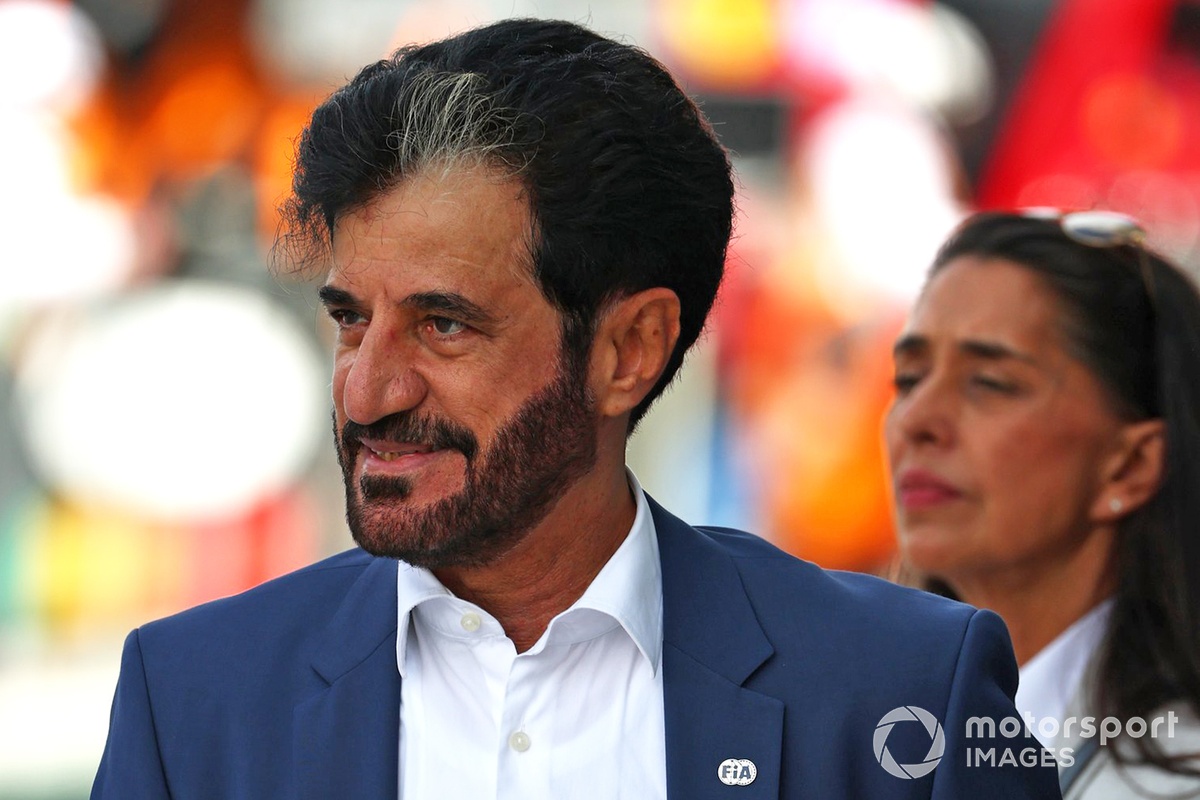
The upcoming FIA presidential election, scheduled for 12 December in Tashkent, Uzbekistan, is shaping up to be a significant moment for the organization. Incumbent president Mohammed Ben Sulayem is seeking a second four-year term, and the prospects of any challenger successfully displacing him appear increasingly slim. This is largely due to the stringent requirements for candidates to form a valid presidential list, which includes specific regional representation.
Ben Sulayem, a 63-year-old Emirati, is facing competition from three other potential candidates: former F1 steward Tim Mayer, Swiss racer Laura Villars, and Belgian TV presenter Virginie Philippot. However, none of these candidates seem to have the necessary support to form a complete and eligible team. The process requires each candidate to submit a presidential list that includes representatives for various key roles, such as the president of the senate, deputy president for automobile mobility and tourism, and deputy president for sport. Additionally, there are seven vice presidents for sport, with two from Europe and one each for the remaining regions—MENA, Africa, North America, South America, and Asia-Pacific.
The Importance of Regional Representation
One of the critical elements in forming a valid presidential list is ensuring that all positions are filled by eligible candidates. The World Motor Sport Council (WMSC) has now published its list of eligible candidates, and notably, it only includes one representative from South America—Fabiana Ecclestone. Ecclestone, the Brazilian wife of former F1 supremo Bernie Ecclestone, is currently serving as Ben Sulayem’s VP for the region and is part of his re-election team. This means that no other presidential candidate can form a list that meets all the criteria.
Candidates for the WMSC must be under 75 years old on the day of the election, and their records must not raise concerns about their professional integrity. The FIA sent a letter to all members on 13 June, setting a deadline of 19 September for submitting candidatures for the council. With this deadline having passed, there is no alternative mechanism for members to apply, effectively closing the door on any new South American representatives being added to a different presidential ticket.
The Role of South American Support
The FIA’s guidelines emphasize that candidates for the WMSC must be proposed by the relevant Automobile Sports National Association (ASN) of their country. The lack of a viable South American candidate poses a significant challenge for any rival to Ben Sulayem. Events earlier in the year provide insight into why this situation may have been inevitable for candidates like Mayer.
In May, rally legend Carlos Sainz Sr. expressed interest in running for the presidency. Although he ultimately did not proceed, his high-profile bid drew considerable media attention. Several weeks later, a collective of 36 Spanish-speaking FIA members and automobile clubs from the Americas sent a joint letter to Ben Sulayem expressing support for his re-election campaign. Fabiana Ecclestone also signed the letter, and importantly, every single president of the 11 South American federations signed it. This demonstrated the strong backing Ben Sulayem enjoys in the region, making it difficult for any rival to secure the necessary support.
Mayer’s Campaign and Challenges
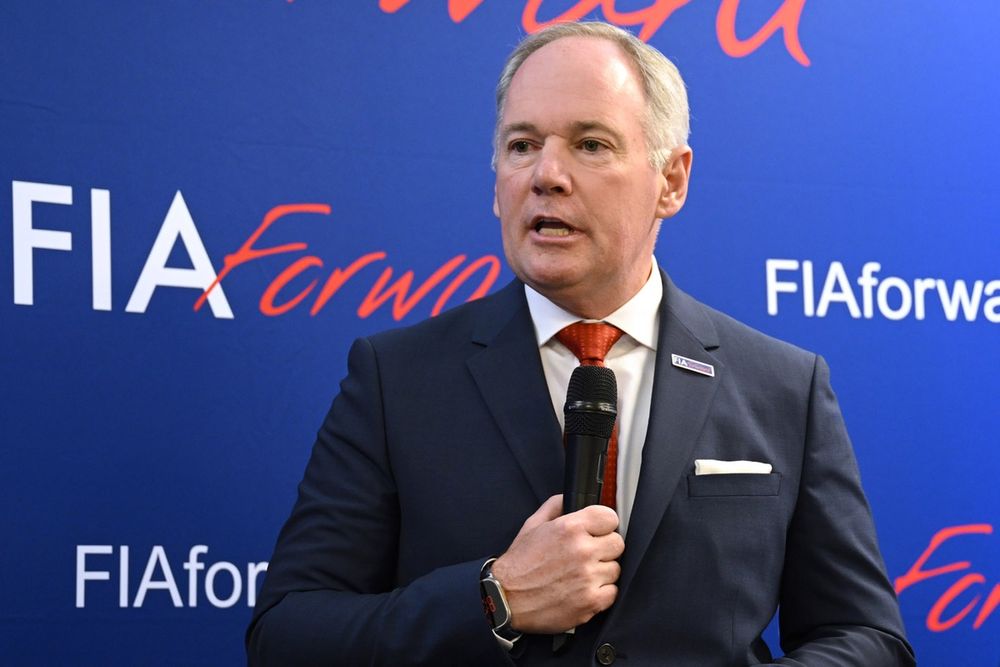
Tim Mayer recently toured South America to gather support for his campaign, visiting Chile, Bolivia, and Argentina. He highlighted the warm welcome he received and emphasized the need for unique solutions tailored to each region’s challenges. However, with Ben Sulayem enjoying strong support in Asia and Africa, Mayer faces an uphill battle. At the election, each of the FIA’s 149 member countries has an equal vote, split between the sport and mobility sides.
Mayer acknowledged the difficulty of competing against Ben Sulayem, stating that it is crucial for member clubs to see value in the FIA’s work. He noted that while Ben Sulayem has been effective in communicating his vision, there is a need for more universal engagement across the organization.
Governance Concerns and Criticisms
Despite his support, Ben Sulayem has faced criticism over his governance style. In March, Motorsport UK chief Dave Richards accused him of consolidating power, writing in an open letter that “the governance and constitutional organisation of the FIA is becoming ever more opaque and concentrating power in the hands of the president alone.” This followed a series of high-profile resignations and dismissals within the FIA, including Mayer, CEO Natalie Robyn, technical director Tim Goss, sporting director Steve Nielsen, compliance officer Paolo Basarri, and Deborah Mayer, the president of the FIA’s Women in Motorsport Commission.
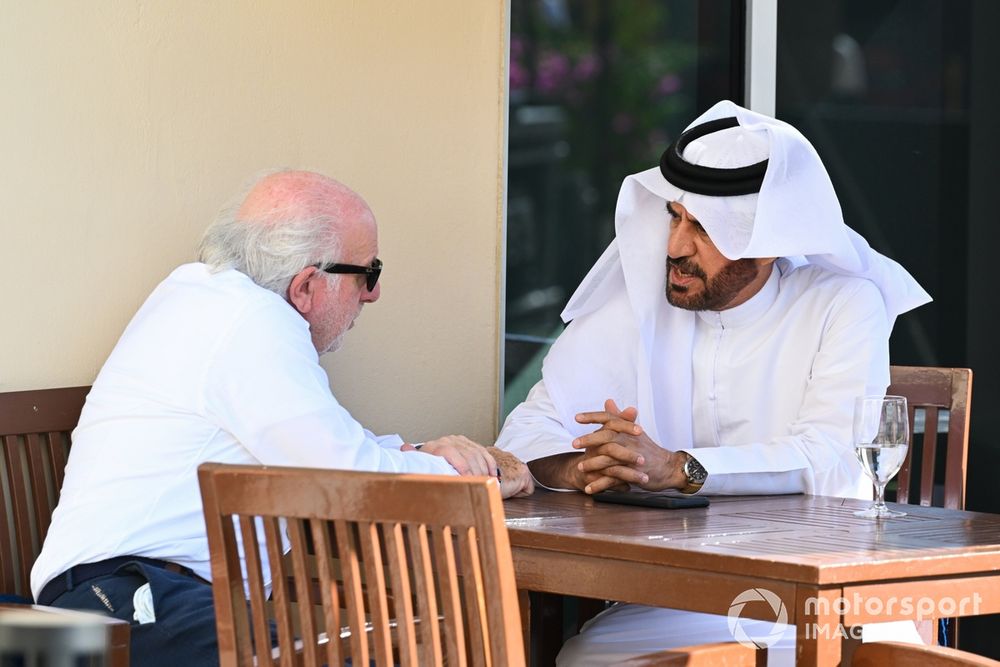
The most significant upheaval came in April when Ben Sulayem’s running mate, deputy president for sport Robert Reid, resigned over what he perceived as a “breakdown of governance standards” and “critical decisions being made without due process.” Reid was replaced by Malcolm Wilson, founder of M-Sport. There was also resistance in June against changes to the FIA’s statutes and ethics code that Ben Sulayem initiated, which increased the president’s influence on Senate membership and made the vetting process for WMSC candidates more rigorous.
At the time, the FIA stated that these changes were intended to “further strengthen processes around governance and confidentiality” and would “grant the Nominations Committee more time to examine the eligibility criteria of candidates, and help to ensure consistency and rigour in the electoral process.”


