The Cross-Border Shopping Boom Between Singapore and Johor
Every month, Rachel Tan, a 53-year-old Singaporean tutor, boards a bus across the 1km causeway for a day trip to Malaysia’s Johor state. There, she stocks up on groceries and treats herself to lunch and a film. Thanks to streamlined immigration procedures, she rarely needs to present her passport, using a QR code to pass the checkpoint before catching a complimentary shuttle bus that whisks her to R&F Mall.
The entire day out, including shopping, typically costs her about 300 ringgit (US$70) — a fraction of the price for a similar experience in Singapore. “Since I need to go somewhere to relax on my off day, why not go somewhere where it is more affordable?” she told This Week in Asia, noting that her 10-ringgit cinema ticket would be unheard of back home, where watching a film often costs five times as much.
“To me, it isn’t any trouble at all. Once I cross the customs, everything is easy,” Tan added.
Johor has long been a magnet for Singaporean day trippers, but recent years have seen their numbers swell. Rising costs at home, a strong Singapore dollar, and ever-simpler cross-border access have all fueled the travel boom. More than 14 million foreign residents visited Johor between January and July, according to local media — over 11 million of them from Singapore.
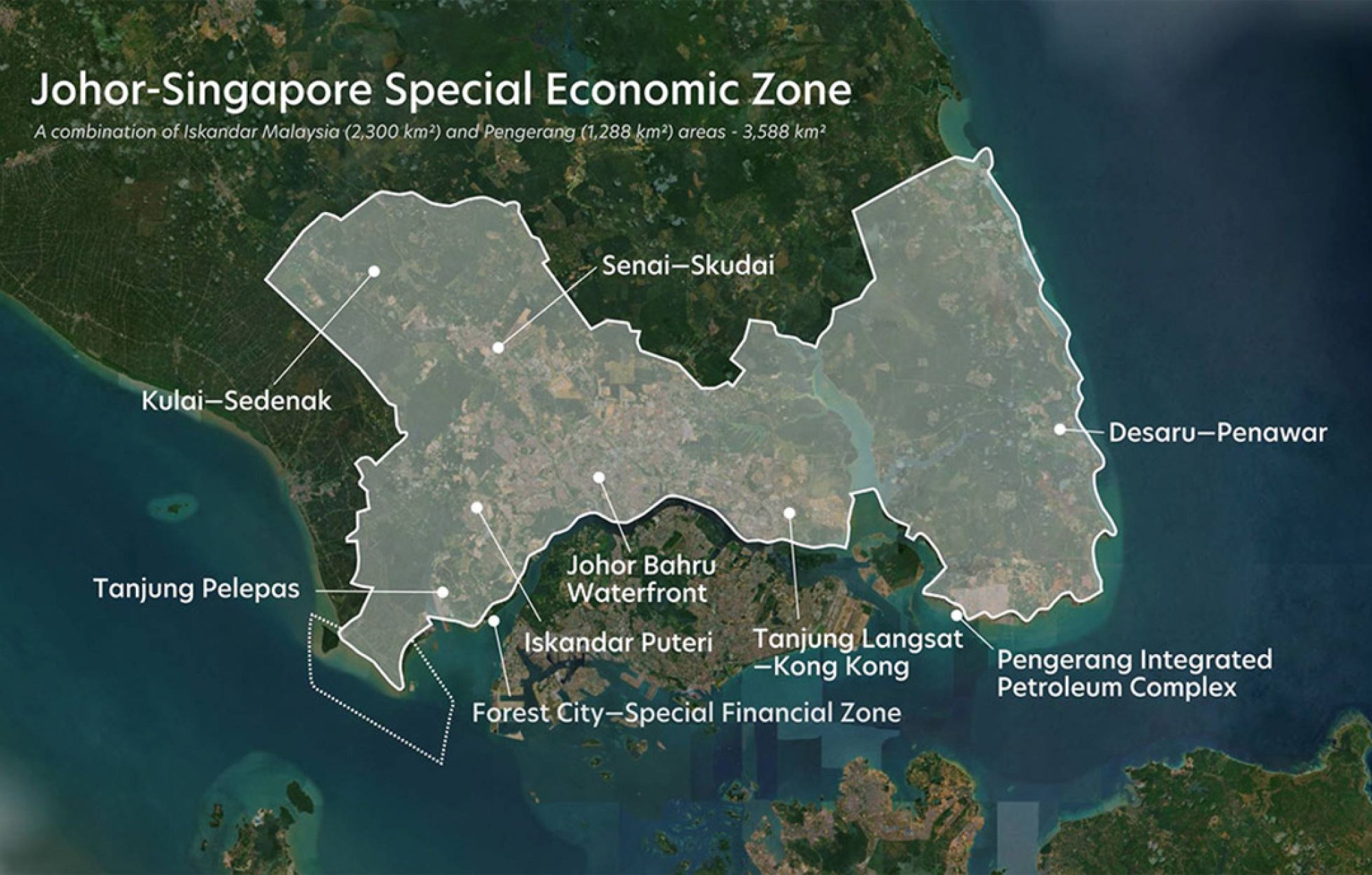
Banks and multicurrency wallet providers interviewed by This Week in Asia have observed double-digit growth in Johor-bound spending by Singaporeans, with food and drinks, groceries, and retail being the largest categories. Analysts predict this spending surge will only accelerate, propelled by the newly established Johor-Singapore Special Economic Zone and the Rapid Transit System (RTS) Link, a flagship bilateral project slated to launch at the end of next year. This project promises to ferry up to 10,000 passengers per hour in either direction, slashing travel time to just five minutes.
Singapore has formed a task force to support local businesses and explore cross-border opportunities ahead of the RTS Link launch, with its recommendations expected next year. While easier travel may intensify pressure on Singapore’s retail and dining sectors, businesses could also benefit from eased labour shortages and wage pressures as more Malaysians commute into Singapore, according to Chua Hak Bin, regional co-head of macro research at Maybank Investment Banking Group.
“There will be some dislocations and churn in the retail and F&B scene as a new equilibrium is reached,” Chua said.
Rising Spending Trends
Data from Singapore’s United Overseas Bank (UOB) shows that Johor logged the fastest retail spending growth among Malaysian states between 2022 and 2024, averaging a 60 per cent increase annually. It also accounted for nearly half of all retail spending in Malaysia during the first half of 2025.
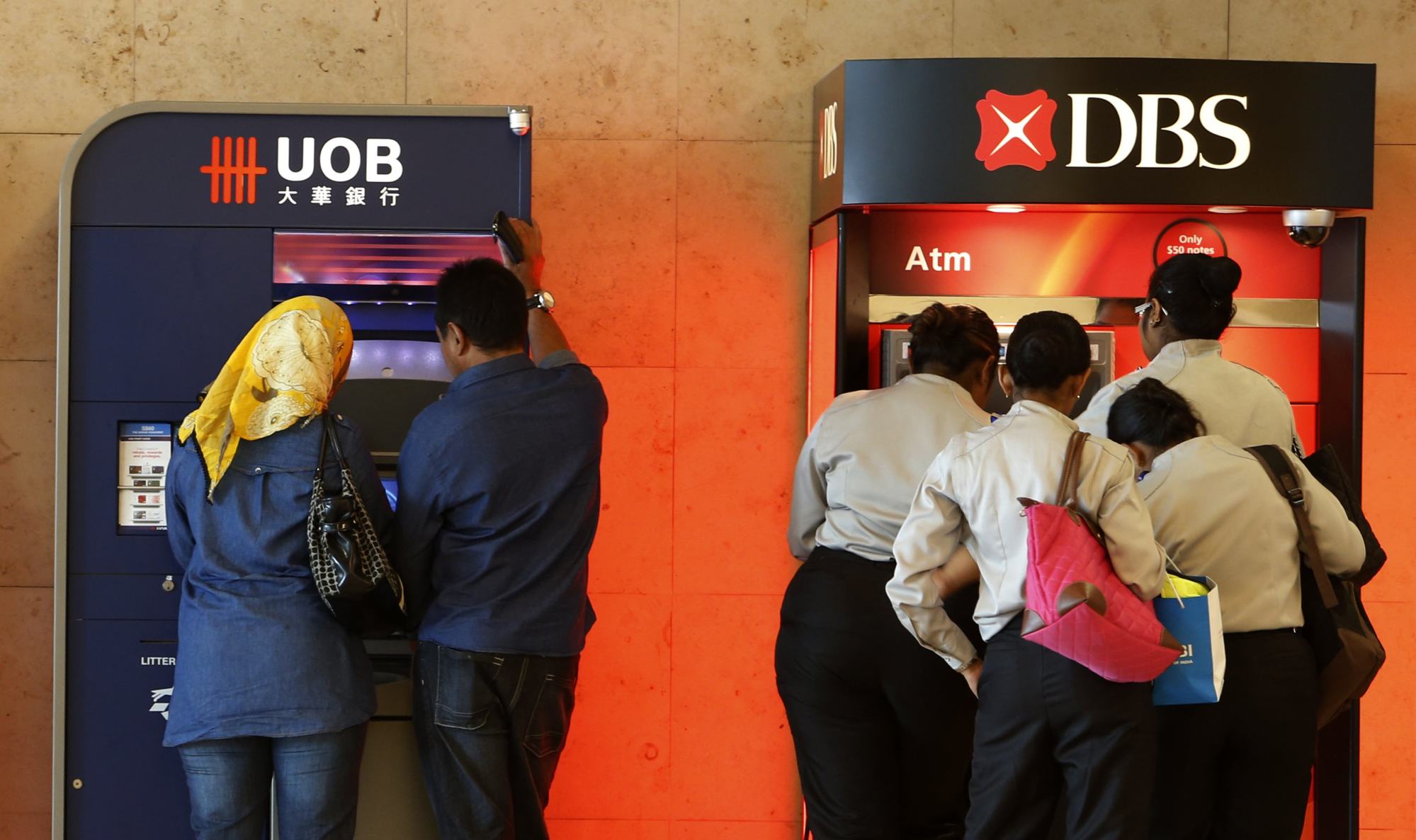
Transactions on Singapore-issued credit cards in Johor more than tripled over the same time period, the bank said, with denizens of the city state making more frequent or longer trips across the border — even though most purchases were for smaller items. In light of this, UOB recently launched a new redemption scheme, enabling its Singapore-based customers to offset purchases at more than 150 Johor merchants using rewards points earned at home.
Oversea-Chinese Banking Corporation, meanwhile, saw a more than 20 per cent year-on-year rise in spending by Singaporeans in Malaysia in September, according to Regina Lim, head of the bank’s group lifestyle financing and ecosystems.
“What we’ve observed so far suggests that Singaporeans are making everyday purchases rather than shifting their spending wholesale,” she said.
With careful planning and ongoing dialogue, the RTS has the potential to foster balanced growth that benefits communities, consumers, and businesses on both sides of the border.
Retail spending in ringgit by customers of Singapore’s largest bank, DBS, soared by more than 30 per cent in the first eight months of 2025, compared to the same period last year, said Chan Sow Han, its head of consumer banking payments and platforms. This growth spanned both credit and debit card transactions, as well as transfers via Malaysia’s DuitNow payment platform.
Chan attributed the trend to three factors: a strong Singapore dollar, attractive incentives, and easier border crossings enabled by QR code clearance at immigration.
Easing the Ride
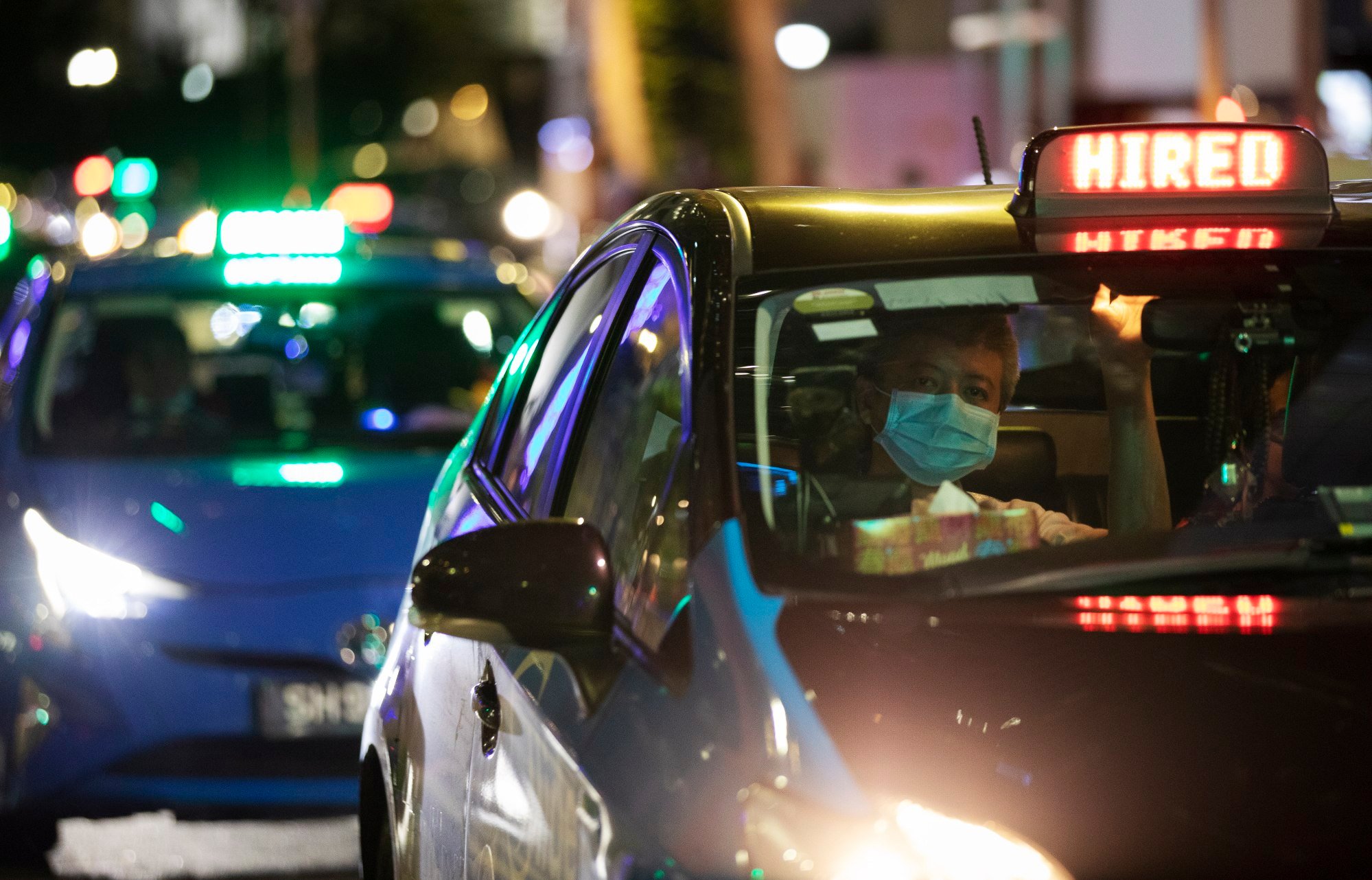
Both governments have sought to tighten cross-border regulations this year. Malaysia has rolled out vehicle entry permits for Singapore-registered cars, while Singapore has impounded unauthorized Malaysian taxis. Bilateral talks are reportedly under way to expand taxi services, which could further boost cross-border commerce.
Currently, only licensed taxis may carry passengers across the causeway and they must pick up and drop off at designated terminals — Larkin Sentral in Johor Bahru and Ban San Street Terminal in Singapore.
Last month, Singapore’s Land Transport Authority said it had investigated more than 100 foreign-registered vehicles for illegal cross-border passenger services this year, with most still impounded pending investigations and court proceedings.
Singapore’s Senior Minister of State for Transport Sun Xueling announced on Wednesday that bilateral talks were under way to allow Malaysian taxis to drop off passengers anywhere in Singapore and vice versa for Singaporean taxis in Johor Bahru.
Malaysian Transport Minister Anthony Loke said last month that his government was “100 per cent ready” to legalise cross-border e-hailing, while acknowledging Singapore’s concerns that its higher vehicle ownership costs could disadvantage local drivers.
“We have to find a way to allow it, so I think this will come sooner or later,” Loke said.
Johor Gentrified
As connectivity improves, inflation has become a pressing issue for Johor, which aims to achieve developed state status by 2030. Johor’s Chief Minister Onn Hafiz said in July that the influx of Singaporeans buying groceries and property was driving up local costs.
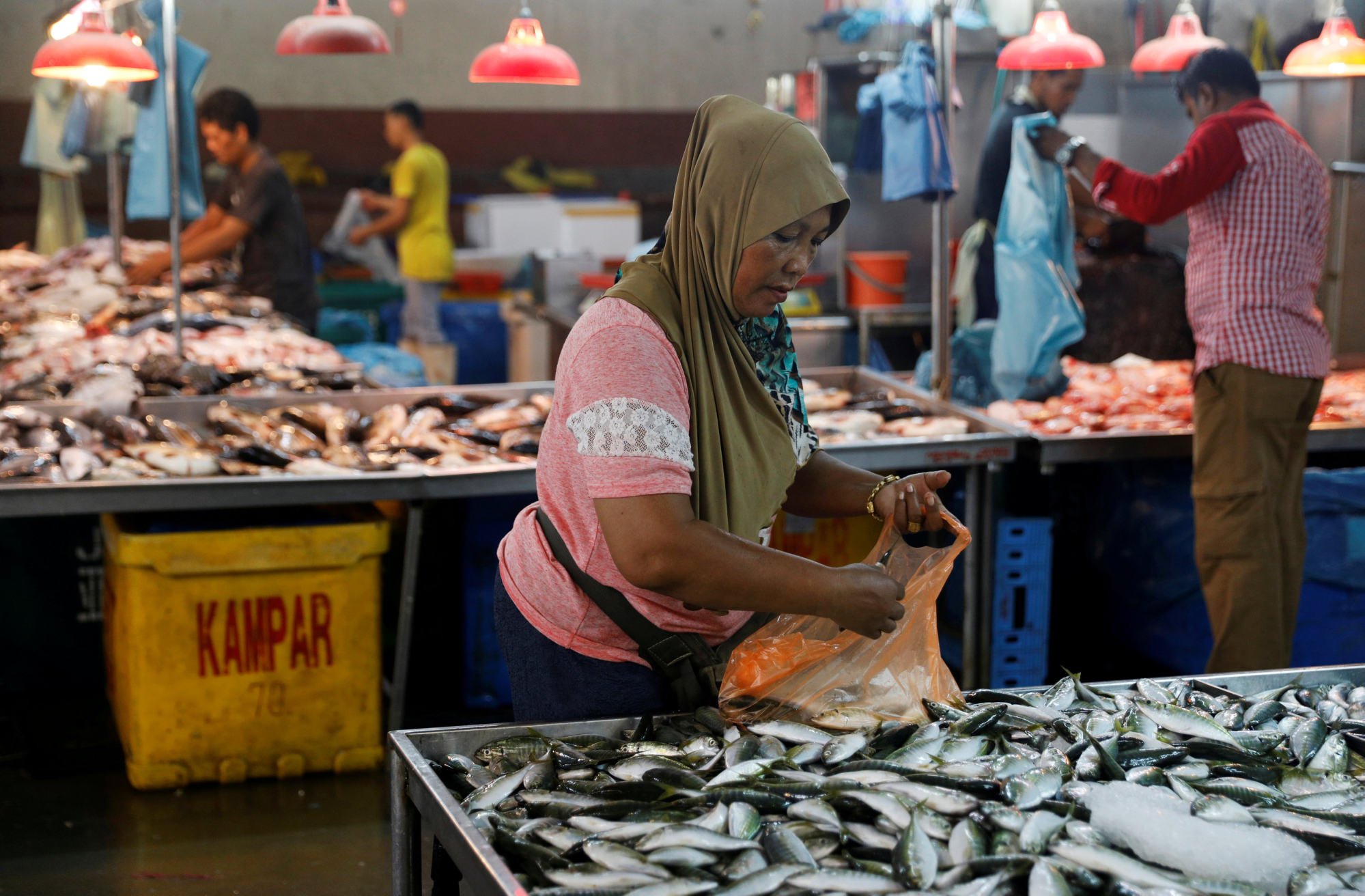
As a case in point, he cited a plate of nasi lemak with fried chicken costing around 9 ringgit in Johor vs 7 ringgit in Kuala Lumpur.
While Johor’s overall inflation rate has largely tracked the national average, its food and drink prices have climbed more rapidly in recent months, according to Lavanya Venkateswaran, a senior Asean economist with OCBC.
“Even so, should modestly higher inflation be accompanied by strong economic growth and better employment prospects, these would still constitute positive moves,” she said.
“The authorities are focused on developing the JS-SEZ, ushering in manufacturing and associated services while providing employment opportunities to local Johor residents. These efforts suggest that economic growth will remain supported and could be higher than the national average.”
Conclusion
The cross-border movement between Singapore and Johor continues to reshape the retail and service landscape on both sides of the causeway. With improved infrastructure and growing consumer demand, the region is poised for sustained economic activity. However, challenges such as inflation and regulatory adjustments remain key areas of focus for both nations.