
Tomatoes
are one of the most popular home vegetable garden plants for good reason. They’re delicious, nutritious and easy to grow—if you can offer them the sunny, fertile conditions they love. You’ll want to grow tomatoes alongside the right plant types to make the most of your crop.
Diversity in the garden can help to amend soils, reduce pest pressures, suppress weeds and
attract beneficial pollinators
. However, while clever
vegetable garden companion planting
, also known as interplanting or intercropping, can boost your tomato harvests, other combinations could reduce your yields.
We spoke to an expert to understand what species might not make the best companion plants for tomatoes and why.
Meet the Expert
Susan Scheufele
,
PhD, is the Production Agriculture Leader in the UMass Extension Vegetable Program.
Broccoli
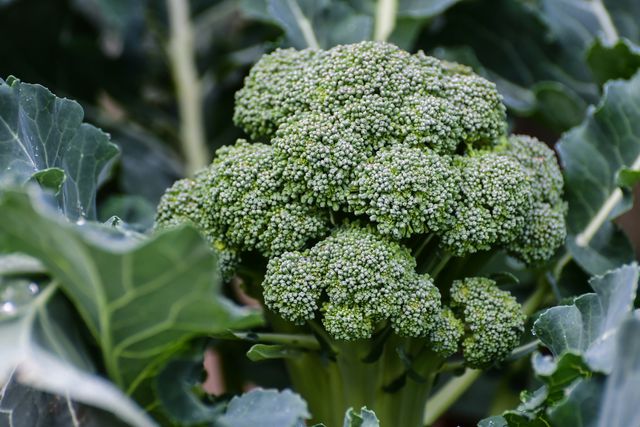
Broccoli and other brassica species are heavy feeders, so it’s best to plant them away from tomatoes to prevent the risk of stunted growth.
“When considering interplanting, or companion planting, we would recommend not planting anything that would compete directly with the tomatoes for light, water, or nutrients,” UMass Extension Vegetable Program Educator Susan Scheufele explains.
Want more gardening tips? Sign up for our free
gardening newsletter
for our best growing tips, troubleshooting hacks, and more!
Cabbage
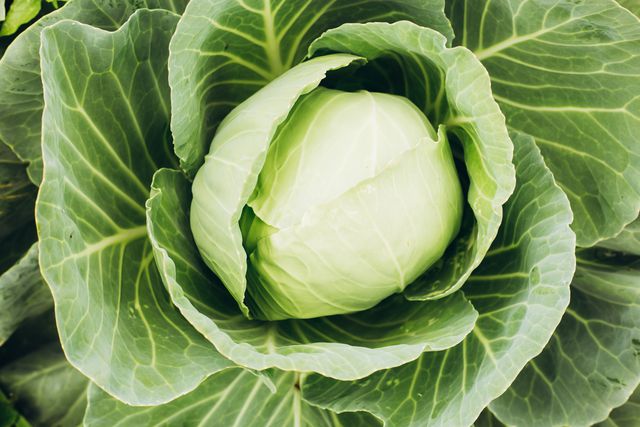
Cabbages are also heavy feeders that have high nutrient needs. To save these brassicas from competing with tomatoes, consider planting them elsewhere in your yard.
Sweet Corn
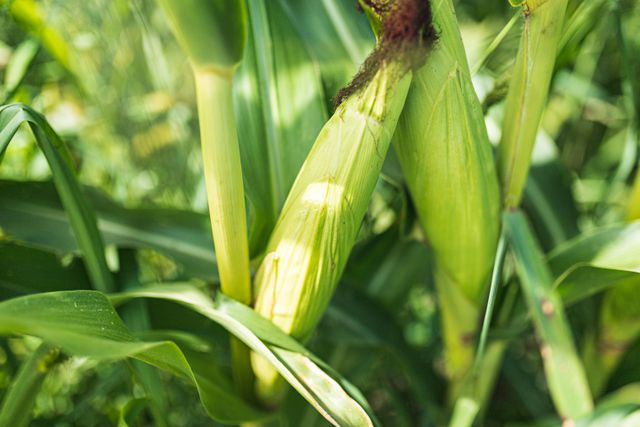
Scheufele doesn’t recommend sweet corn as a tomato companion plant, as these tall plants can shade out sun-loving tomatoes.
“Corn also has a high nutrient need and deep roots and would likely pull nutrients away from tomato plants, or both plants could suffer,” she says.
Plus, the tomato fruitworm (also known as the corn earworm) likes to feed on both these veggies. If there’s an infestation, it could devastate both sets of crops.
Cucumbers
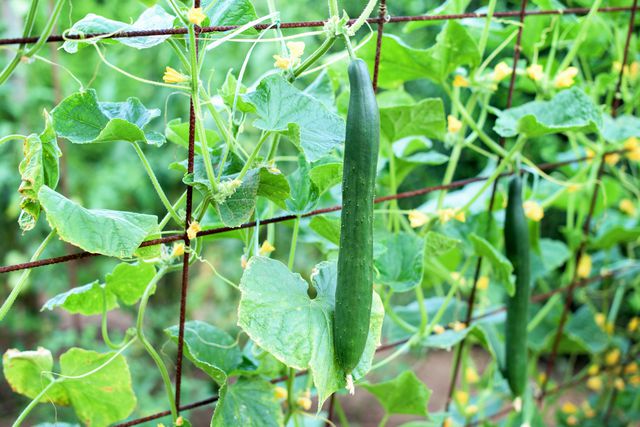
While cucumbers are low, trailing, and shallow-rooted, Scheufele says they might not be ideal companion plants for tomatoes.
“Cucumbers also need a lot of sun and heat to thrive,” she says. The cucumbers could get too much shade from tall, bushy tomato plants if you plant them too close together.
Eggplants
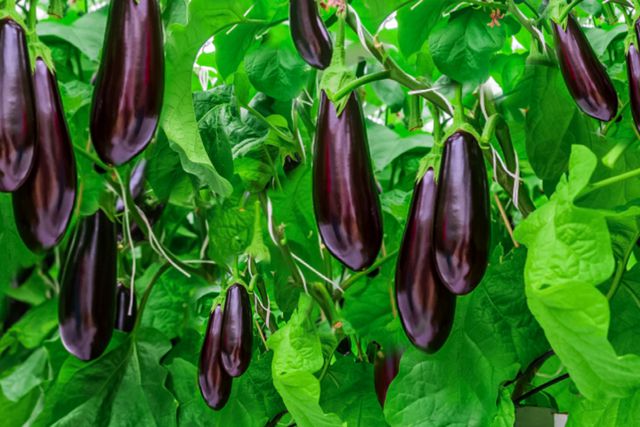
“I wouldn’t recommend planting other Solanaceous crops like peppers or eggplants too closely to tomatoes,” Scheufele says. “They have similar growth habits and share many of the same pests, since they are all in the same family.”
Nightshade plant species are also susceptible to infectious fungal diseases like blight. If your eggplants develop this, there’s a good chance it will spread to tomato plants growing next to them.
Fennel
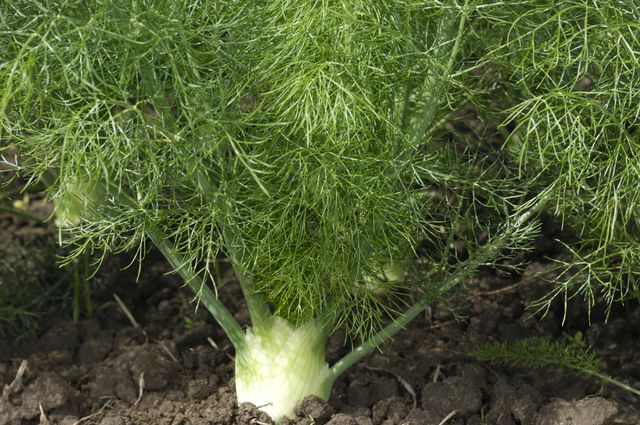
Some studies suggest planting fennel and tomatoes together can produce a reduced yield. Many types of fennel grow taller than tomato plants, shading out these sun and heat-loving species. Scheufele suggests low-growing, short-season herbs, like parsley and
cilantro
, instead.
Peppers
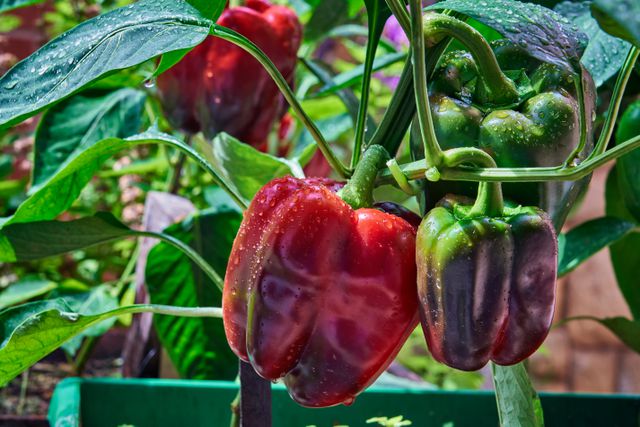
Peppers are another nightshade family member that can attract the same pests and diseases as tomatoes. It’s safest to plant them in a separate bed.
Potatoes
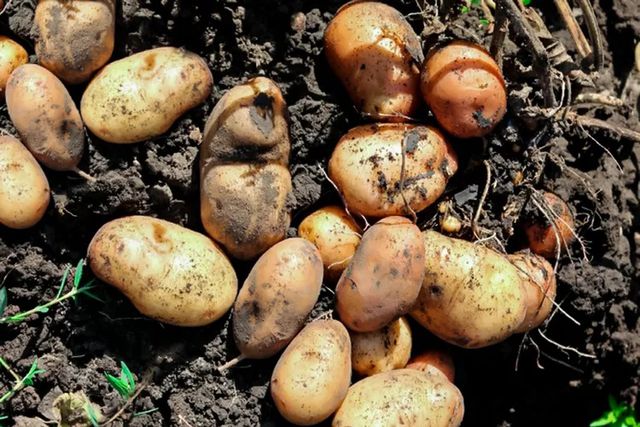
If you don’t want to risk potato plants infected with bacterial wilt or other fungal issues passing the
diseases on to your tomato plants
through the soil, keep these two solanaceous species in different vegetable beds.
Sunflowers
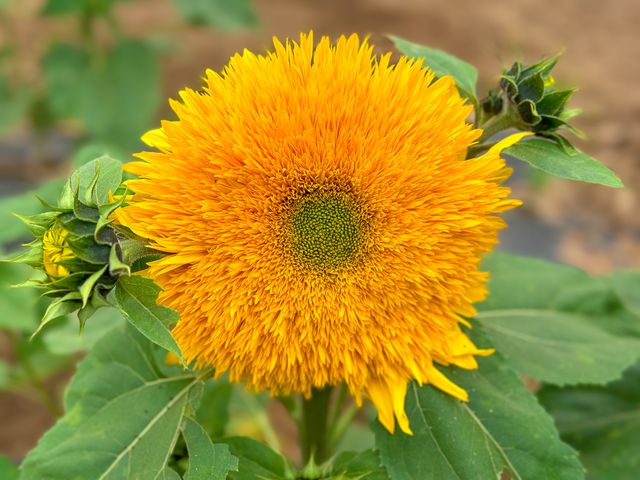
Sunflowers can be helpful and beautiful barrier plants set at the edges of a vegetable plot to attract beneficial pollinators and keep some pests at bay.
However, they aren’t the best option to plant directly alongside tomatoes. Their height means they can block out the light for sun-loving tomatoes.
Scheufele suggests planting low-growing, short-season flowers like
sweet alyssum
or
nasturtium
seeds at the same time as tomato seedlings. This means they will receive enough light to get established before the tomato plants get bushy and shady.
“Sweet alyssum has the added benefit of attracting natural enemies of insect pests like syrphid flies, lady beetles, parasitic wasps, and predatory beetles and bugs,” Scheufele says. “Other flowers, like nasturtiums, have strong scents that confuse insect pests, making it harder for them to find their host plant.”
Sweet Potatoes
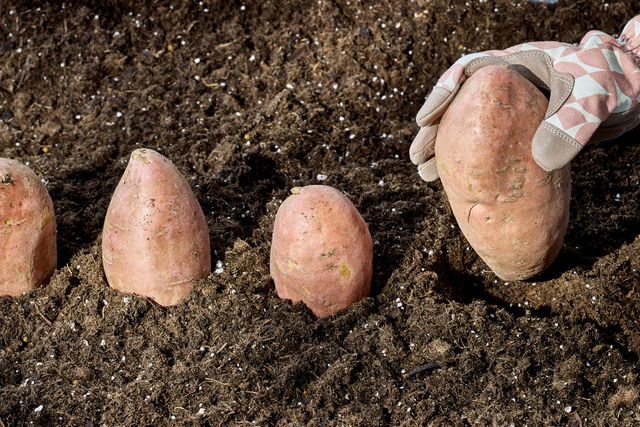
Sweet potatoes might not be part of the nightshade family, like normal potatoes, but they still aren’t the best companion plants for tall, bushy tomatoes.
“While they are low-growing, trailing plants, they have a long season and may not make many tubers, or the tubers may be small if grown in shady conditions,” Scheufele says.
Black Walnut Trees
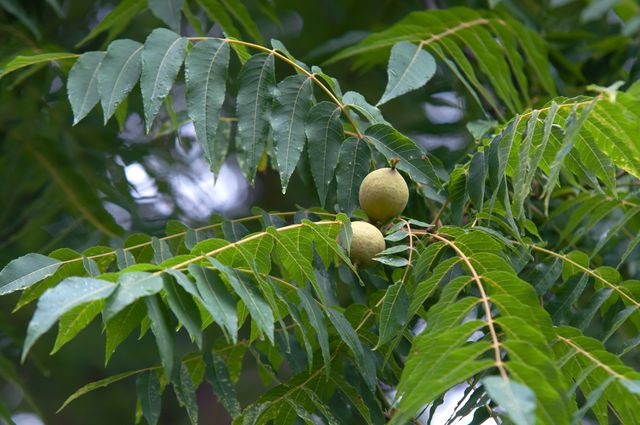
Black walnut trees leach a chemical called juglone into the surrounding soil. Tomatoes and other species in the nightshade family are known to be sensitive to this chemical.
Juglone wilt can lead to poor health, disappointing harvests and eventual death of the plant.
Read the original article on
The Spruce


