The Struggle of Cempasuchil Farmers in the Face of Climate Change
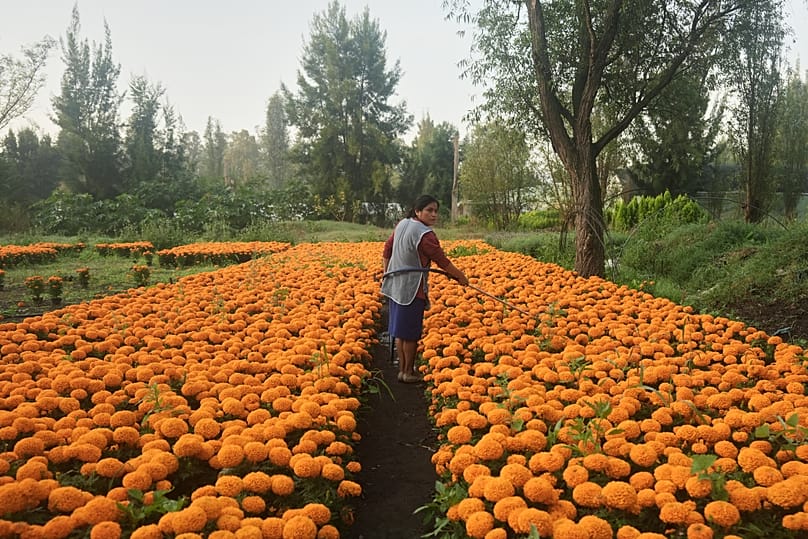
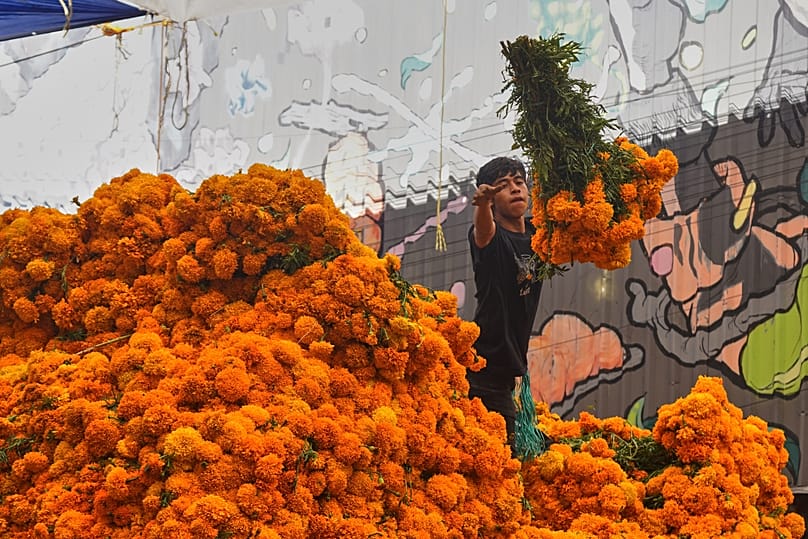
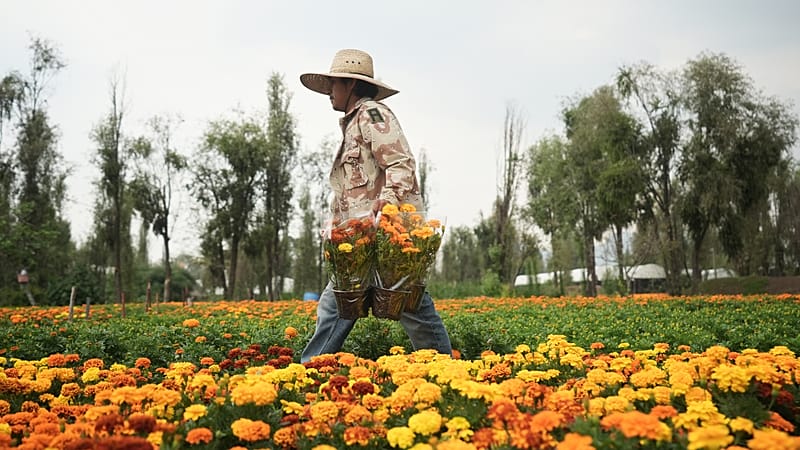
Lucia Ortíz walks through endless fields of cempasuchil flowers, their vibrant orange petals set to transform city streets and cemeteries across Mexico during the Day of the Dead celebrations. In the winding canals and farms on the outskirts of Mexico City, this flower, also known as the Mexican marigold, has been cultivated for generations. However, as Ortíz and other farmers bundle clusters of the plant for sale in markets around the capital, they are increasingly concerned about the future of their livelihoods.
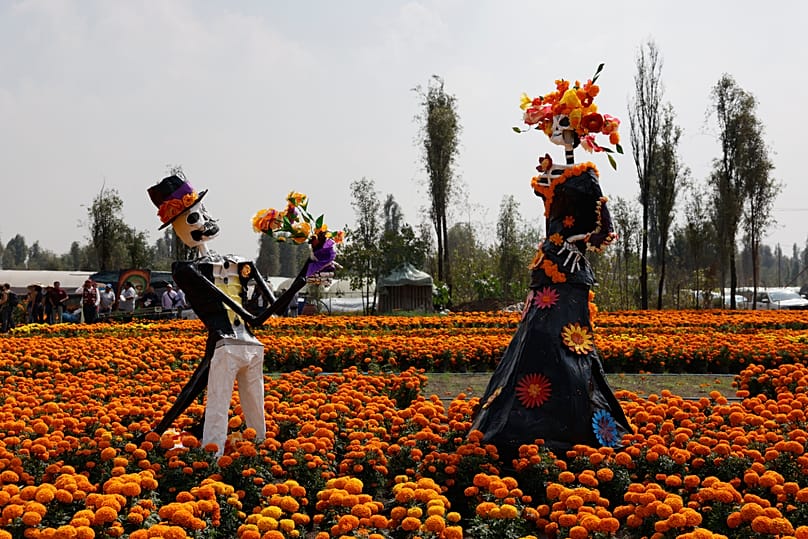
The cempasuchil is not just a symbol of celebration; it is a vital part of Mexico’s cultural and economic fabric. Known as the “flower of the dead,” it is believed to guide the spirits of the deceased back to their families through its bright petals. This tradition has deep roots, especially in areas like Xochimilco, where ancient farming techniques using canals have been passed down through generations.
But climate change is threatening this legacy. Farmers like Ortíz have faced torrential rains, prolonged droughts, and other extreme weather events that have made it increasingly difficult to grow their crops. This year alone, many producers reported losing up to half of their cempasuchil crop due to heavy rains and flooding. For Ortíz, the losses have been devastating.
“We’ve sometimes been left with nothing,” she said, describing the impact of unpredictable weather on her farm. “This year, we struggled to even grow the cempasuchil. There were moments when we didn’t have the money to buy the fertiliser we needed.”
Economic Impact and Cultural Significance
The cempasuchil plays a crucial role in Mexico’s economy. Commerce groups predict that farmers will earn nearly $2.7 million (€2.3 million) from the flower in 2025. Despite this, the growing challenges posed by climate change are pushing many farmers to the brink.
Ortíz and her family have been cultivating cempasuchil for 30 years in Xochimilco, where residents continue to use traditional farming methods. Every year, they plant the seeds in July, hoping the rainy season will provide enough water to sustain their crops. But over the past few years, the weather has become increasingly erratic, making it harder to maintain consistent yields.
This year, months of torrential rains have wiped out more than 37,000 acres of crops across the country, according to government figures. In Xochimilco, the situation has been particularly dire, with as many as 2 million marigold plants at risk. Despite these challenges, farmers have managed to break records, producing 6 million plants this year to meet rising demand.
However, the cost of maintaining these high levels of production has been steep. Ortíz estimates she lost at least 30% of her crop, while others report losses closer to 50%. To save what they can, farmers have had to invest in insecticides and fertilizers, which have eroded their already thin profit margins.
Adapting to a Changing Climate
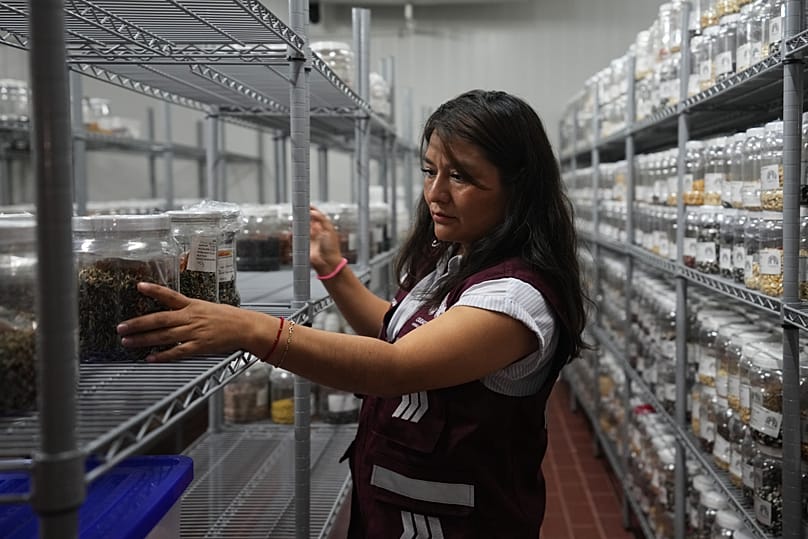
In response to these challenges, scientists are working on long-term solutions to help farmers adapt. At a seed bank called Toxinachcal, researchers are preserving thousands of native seed variants, including 20 different types of cempasuchil. These seeds are stored in freezers, with the hope that they will provide resilience against the impacts of climate change.
Biologist Clara Soto Cortés, who leads the seed bank, explained that many farmers have shifted to using hybrid seeds imported from the United States. While these seeds produce a more uniform product that is easier to sell, they lack the genetic diversity of native breeds. Native varieties, she said, are better suited to withstand extreme weather conditions.
“The native seeds have adapted to different geographies, in high altitudes and low, in places where there’s a lot of rain or none at all, or where they need to be resistant to insects,” Soto said. “The hybrid seeds have bred for another purpose. It doesn’t have the genetic diversity needed to take on climate change.”
If future climate events wipe out entire crops, the seed bank will provide farmers with more resilient native seeds, helping them recover and continue their traditions.
Preserving Tradition Amidst Uncertainty
For farmers like Carlos Jiménez, the loss of cempasuchil crops represents more than just an economic setback—it threatens a way of life. Jiménez, who has farmed in Xochimilco for decades, has begun considering alternatives such as building greenhouses to protect his plants from the elements.
“The plants get sick, they rot, and our business is snuffed out,” he said. “And with it goes our tradition because it’s our economy.”
Despite the challenges, many farmers remain determined to carry on their ancestral practices. For them, the cempasuchil is more than just a flower—it is a symbol of connection, memory, and resilience.