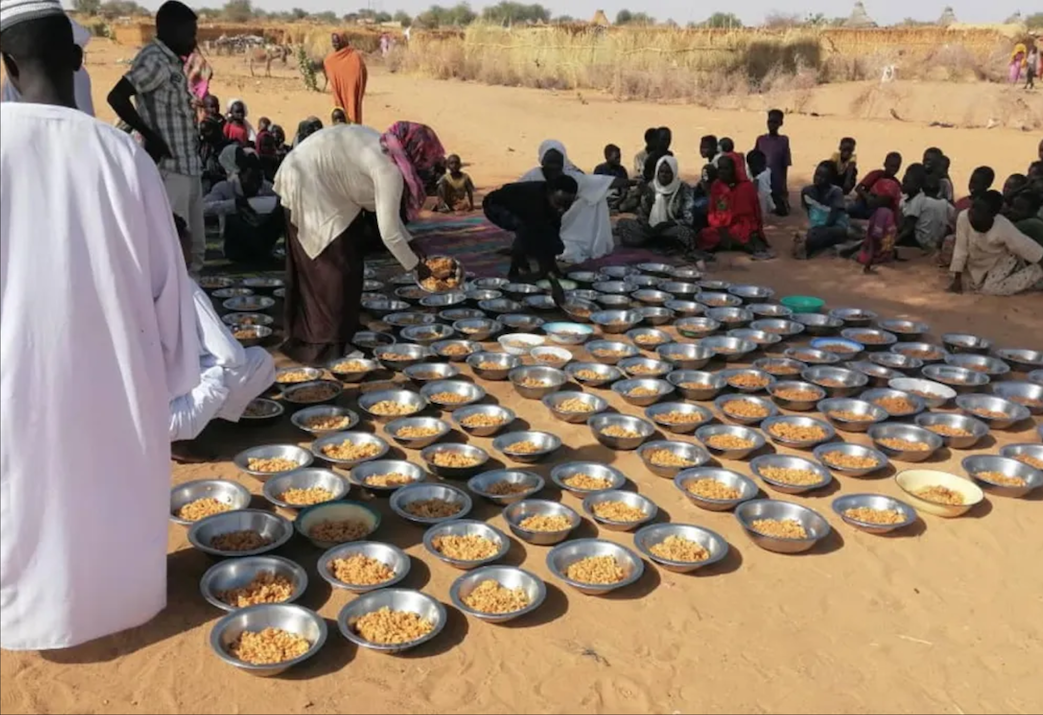
A Deepening Humanitarian Crisis in North Darfur
On November 16, 2025, Tom Fletcher, the United Nations Under-Secretary-General for Humanitarian Affairs, highlighted the dire situation in El Fasher, North Darfur. The city has been under siege for over 560 days, leading to one of the worst humanitarian crises in Sudan. The Rapid Support Forces (RSF) captured El Fasher on October 26, blocking the entry of humanitarian aid and causing widespread famine. Civilians are unable to leave via many routes, and field testimonies reveal horrific killings and ethnic liquidations.
Fletcher emphasized that the U.N. is working to send an assessment team to El Fasher with full security guarantees and freedom of movement. Efforts are also underway to evacuate the wounded and secure safe passages for civilians wishing to leave. The priority remains to build a clearer picture of the needs within the hard-to-reach city.
Escalating Hunger and Displacement
The siege imposed by the RSF since April 2024 has led to a severe hunger crisis, forcing civilians to eat livestock feed due to the prevention of food and medicine supplies from reaching the city. The destruction of markets and retail shops has further exacerbated the situation. The region has seen a massive influx of arrivals in recent weeks, exhausting both the population and organizations.
The Office for the Coordination of Humanitarian Affairs (OCHA) is deploying more staff to Darfur, supported by $20 million from the U.N.’s global emergency fund (CERF) and additional funding from the Sudan Humanitarian Fund (SHF). However, Fletcher stressed that far more resources are needed, and complete, unimpeded access across Darfur is essential.
Critical Border Crossings and International Cooperation
The Adre border crossing via Chad remains open, which Fletcher described as “absolutely crucial” for operations. He praised the authorities in Chad and Sudan for keeping the border open and called for it to remain so after December. More than 2,000 trucks have crossed the border since August 2024.
Regarding accusations of using starvation as a weapon, Fletcher noted that U.N. teams have passed through many RSF-controlled areas and checkpoints in recent days en route from Adre to Tawila. Opening roads to El Fasher for relief passage and civilian exit is a top priority.
Funding Shortfalls and Operational Challenges
Fletcher warned of an operational collapse due to funding shortages, describing the shortfalls as “catastrophic.” This year’s $4 billion appeal has received less than one-third of its needs. The U.N. urgently requires $500 million for the upcoming quarter, with an additional $350 million needed if a ceasefire and access are provided.
“These are big numbers, but it’s because the scale of the needs is so great,” he said. “We need to turn this situation round.”
Calls for International Action
Responding to accusations of diplomatic failure, Fletcher urged every country with influence to use it right now. He emphasized that civilians are not protected by statements or words alone and require real pressure on the parties involved.
He demanded protection for civilians, accountability for atrocities, unimpeded access for aid, and increased international funding. “These are essentials now if the world is going to meet the moment,” he concluded.
Impact on Tawila and Displaced Populations
In a tweet on platform (X), Fletcher shared his meeting with mothers and caregivers of malnourished children in Tawila. He stated, “The world has failed to protect them. We must not fail them again.”
Tawila, once a remote town, has become a shelter for 655,000 displaced people, most of whom fled El Fasher. 21% reside in camps, while 74% have settled in informal settlements and open gathering places.
The International Organization for Migration (IOM) reported that 98% of families in Tawila lack sleeping items like blankets, mattresses, and mosquito nets. The United Nations Population Fund (UNFPA) confirmed that families are forced to sleep in the open, increasing the risks of women and girls being exposed to violence, exploitation, and abuse.
The IOM also reported that 86% of the displaced in Tawila suffer from poor food consumption, and 30% of children under five are thin or not growing well.


