The clampdown affects people seeking to travel to the US as visitors as well as those hoping to emigrate there
The Trump administration announced on Tuesday that it was expanding travel restrictions to an additional 20 countries and the Palestinian Authority, doubling the number of nations affected by sweeping limits announced earlier this year on who can travel and emigrate to the US.
The Trump administration included five more countries as well as people travelling on documents issued by the Palestinian Authority to the list of countries facing a full ban on travel to the US and imposed new limits on 15 other countries.
The move is part of ongoing efforts by the administration to tighten US entry standards for travel and immigration, in what critics say unfairly prevents travel for people from a broad range of countries.
Do you have questions about the biggest topics and trends from around the world? Get the answers with SCMP Knowledge, our new platform of curated content with explainers, FAQs, analyses and infographics brought to you by our award-winning team.
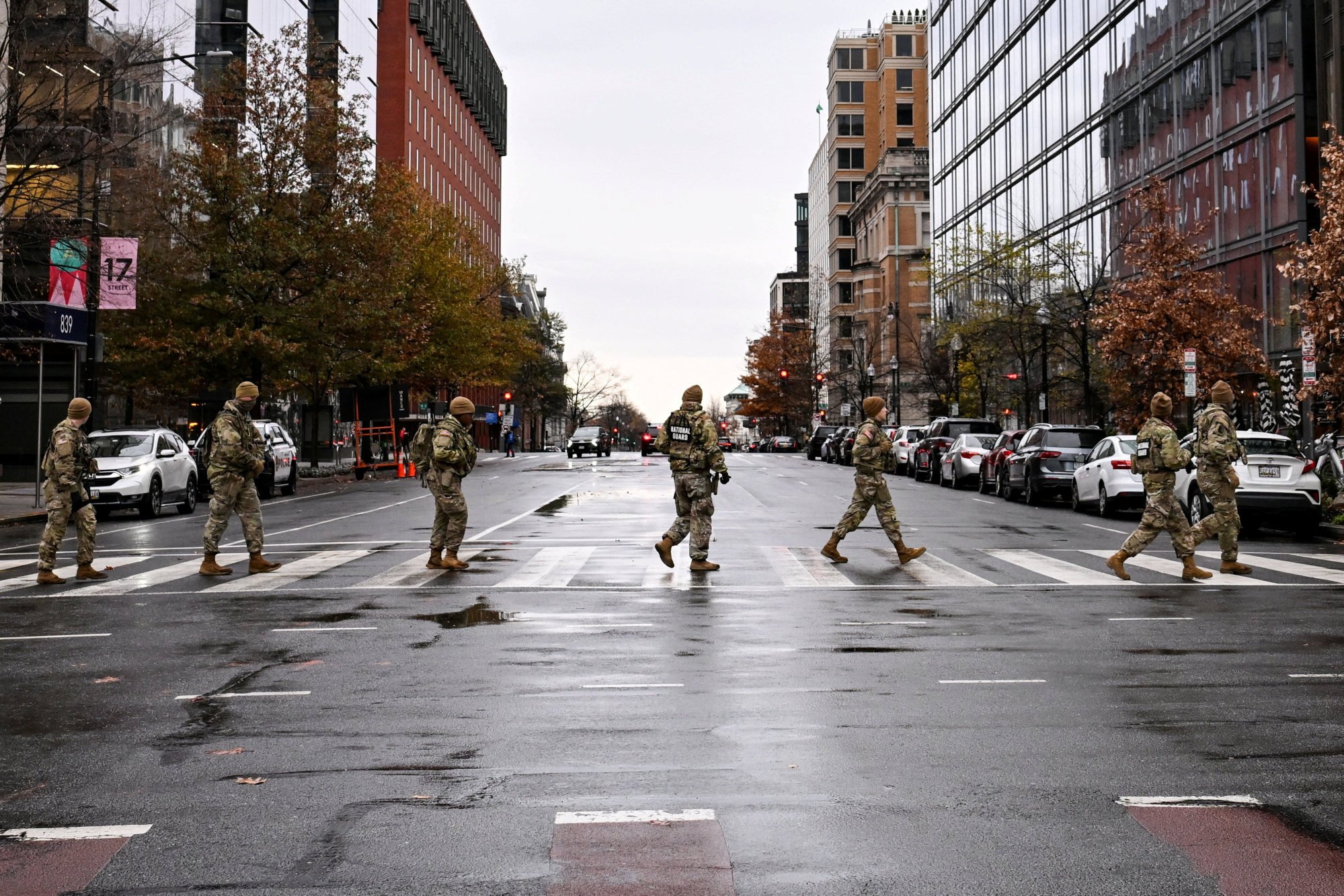
The administration suggested it would expand the restrictions after the arrest of an Afghan national suspect in the shooting of two National Guard troops over Thanksgiving weekend.
People who already have visas, are lawful permanent residents of the US or have certain visa categories such as diplomats or athletes, or whose entry into the country is believed to serve the US interest are all exempt from the restrictions. It was not immediately clear when the new restrictions would take effect.
In June, US President Donald Trump announced that citizens of 12 countries would be banned from coming to the United States and those from seven others would face restrictions. The decision resurrected a hallmark policy of his first term.
At the time the ban included Afghanistan, Myanmar, Chad, the Republic of the Congo, Equatorial Guinea, Eritrea, Haiti, Iran, Libya, Somalia, Sudan and Yemen and heightened restrictions on visitors from Burundi, Cuba, Laos, Sierra Leone, Togo, Turkmenistan and Venezuela.
On Tuesday, the Republican administration announced it was expanding the list of countries whose citizens are banned from entering the US to Burkina Faso, Mali, Niger, South Sudan and Syria.
The administration also fully restricted travel on people with Palestinian Authority-issued travel documents, the latest US travel restriction against Palestinians. South Sudan was also already facing significant travel restrictions.
An additional 15 countries are also being added to the list of countries facing partial restrictions: Angola, Antigua and Barbuda, Benin, Ivory Coast, Dominica, Gabon, Gambia, Malawi, Mauritania, Nigeria, Senegal, Tanzania, Tonga, Zambia and Zimbabwe.
The restrictions apply to both people seeking to travel to the US as visitors or to emigrate there.
The Trump administration said in its announcement that many of the countries from which it was restricting travel had “widespread corruption, fraudulent or unreliable civil documents and criminal records” that made it difficult to vet their citizens for travel to the US.
It also said some countries had high rates of people overstaying their visas, refused to take back their citizens who the US wished to deport or had a “general lack of stability and government control”, which made vetting difficult. It also cited immigration enforcement, foreign policy and national security concerns for the move.
The Afghan man accused of shooting the two National Guard troops near the White House has pleaded not guilty to murder and assault charges.
In the aftermath of that incident, the administration announced a flurry of immigration restrictions, including further restrictions on people from those initial 19 countries who were already in the US.
The news of the expanding travel ban is likely to face fierce opposition from critics who have argued that the administration is using national security concerns to collectively keep out people from a wide range of countries.
“This expanded ban is not about national security but instead is another shameful attempt to demonise people simply for where they are from,” said Laurie Ball Cooper, Vice-President of US Legal Programmes at the International Refugee Assistance Project.
The Trump administration also upgraded restrictions on some countries – Laos and Sierra Leone – that previously were on the partially restricted list and in one case – Turkmenistan – said the country had improved enough to warrant easing some restrictions on travellers from that country.
Everything else from the previous travel restrictions announced in June remains in place, the administration said.
The new restrictions on Palestinians come months after the administration imposed limits that make it nearly impossible for anyone holding a Palestinian Authority passport to receive travel documents to visit the US for business, work, pleasure or educational purposes.
The announcement on Tuesday goes further, banning people with Palestinian Authority passports from emigrating to the US.
In justifying its decision Tuesday, the administration said several “US-designated terrorist groups operate actively in the West Bank or Gaza Strip and have murdered American citizens”.
The administration also said that the recent war in those areas was likely to have “resulted in compromised vetting and screening abilities”.
More Articles from SCMP
Hong Kong engineer gets 5 years over HK$6 million laundering and bribery offences
Avatar: Fire and Ash movie review – stunning visuals carry breathless third instalment
Hong Kong customs seizes HK$256 million of suspected cocaine stashed in ship hull
A chef’s guide to making a traditional Christmas meal in Hong Kong
This article originally appeared on the South China Morning Post (www.scmp.com), the leading news media reporting on China and Asia.
Copyright (c) 2025. South China Morning Post Publishers Ltd. All rights reserved.