A key hurdle hampering the progress of the India-Middle East-Europe Economic Corridor is the lingering uncertainty over Gaza
Discussions on the India-Middle East-Europe Economic Corridor (IMEC) are being revived by some of its founders even as questions persist over the political will to implement the ambitious project, with analysts saying the Gaza situation is a key hurdle in hampering progress.
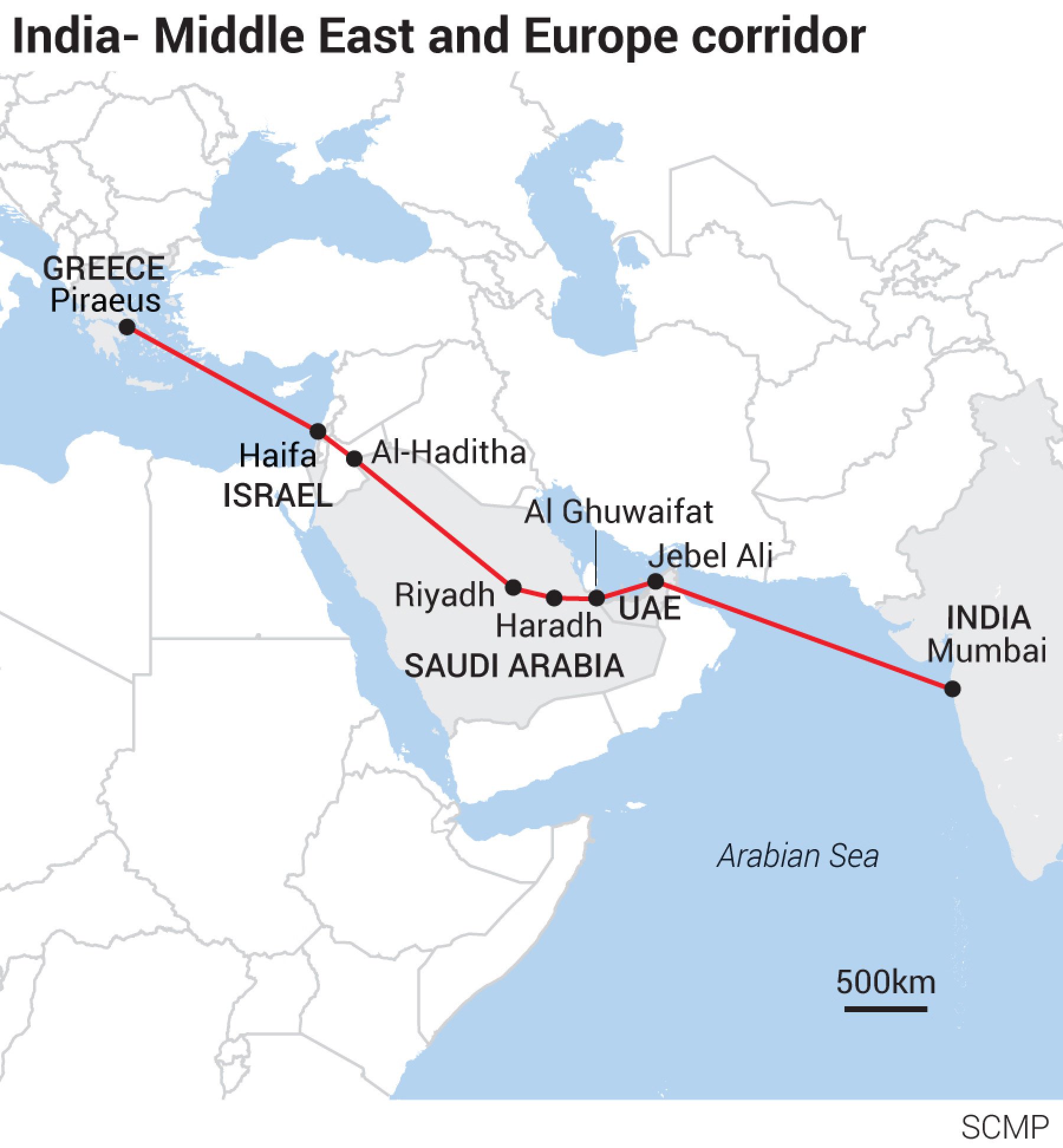
Unveiled in 2023, IMEC is positioned as a single economic artery connecting South Asia, the Middle East and Europe through shipping lanes, railways, energy pipelines and high-speed data cables running via the Gulf.
Planners for the corridor aim to reduce transit times and costs across the three regions, and counter China’s growing economic footprint through the Belt and Road Initiative.
Do you have questions about the biggest topics and trends from around the world? Get the answers with SCMP Knowledge, our new platform of curated content with explainers, FAQs, analyses and infographics brought to you by our award-winning team.
Analysts have cautioned that the project is challenging to bring to completion, as political dynamics arising from the Gaza conflict, regional security and cross-border coordination remain complicated.
India and the United Arab Emirates reiterated their commitment to IMEC during the 16th India-UAE Joint Commission meeting and the fifth bilateral Strategic Dialogue in Abu Dhabi on Monday, with both countries also emphasising deeper cooperation with the Global South.
The Abu Dhabi talks were followed by Indian External Affairs Minister S Jaishankar’s visit to Israel, where he met President Isaac Herzog, Prime Minister Benjamin Netanyahu and Economy and Industry Minister Nir Barkat on Tuesday to discuss trade and other matters, including the project.
The IMEC, however, remains an expression of intent rather than concrete action, according to analysts.
Without a resolution to the Palestinian issue, it was hard to envision the IMEC advancing beyond paper, Shanthie Mariet D’Souza, founder and president of the Mantraya Institute for Strategic Studies in Goa, told This Week in Asia.
“Such statements have been made several times in the past, often aiming to breathe life into a project that appears largely unviable,” she said.
D’Souza said Israel’s takeover of Gaza and the Iran-Israel tensions had effectively sounded the death knell for the IMEC, making it hard for the project to proceed unless there was a “significant shift” in geopolitics.
“While physical construction may be the more straightforward aspect of the project, the economic viability of such an initiative requires a stable and cooperative environment,” said D’Souza, a senior research fellow at the School of Public Policy, University of Massachusetts-Amherst.
IMEC was also brought up by Italian Deputy Prime Minister and Foreign Minister Antonio Tajani during his recent visit to India earlier this month, when he met Prime Minister Narendra Modi and several Indian ministers. Tajani said he had also discussed IMEC during his recent visit to Saudi Arabia.
Gaza first?
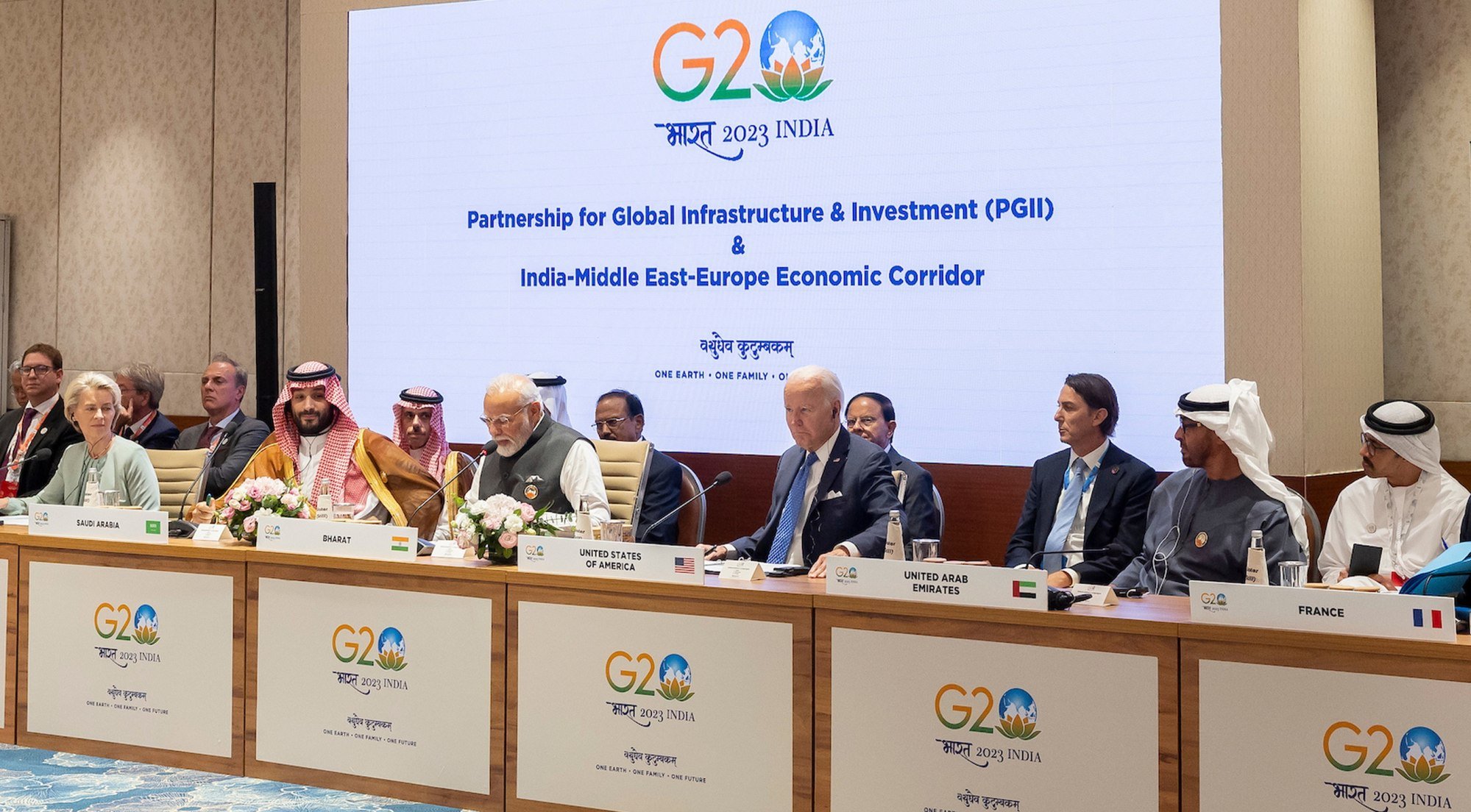
IMEC was formalised through a memorandum of understanding signed in 2023 by India, Saudi Arabia, the European Union, the UAE, France, Germany, Italy and the US.
Kristian Coates Ulrichsen, a Middle East fellow of the Baker Institute at Rice University in Houston, said that IMEC had yet to progress beyond diplomatic discussions.
“One of the biggest and most persistent challenges IMEC has faced is that it was announced just a few weeks before the October 7 attacks in 2023, and the premise of interconnectivity was immediately overtaken by the geopolitical consequences of the Gaza war and the regionalisation of conflict,” Ulrichsen said.
According to the IMEC website, construction of key infrastructure components such as new rail lines, ports and highways began in April, “marking a significant step forward in the realisation of the IMEC”.
However, there is no mention of major milestones or targeted timelines on the website.
Ulrichsen said there was still a lack of decisive political will to move the project. “This has delayed identifying specific projects and investment decisions that would constitute a breakthrough and begin to create facts on the ground across its route.”
According to the Chintan Research Foundation, Italy nominated special envoys for the IMEC project in April, while India and the UAE have begun work on the digital regulatory framework at the bilateral level.
India hosted the first meeting of IMEC envoys and executives in August, including those from the United States, the UAE, France and Italy. Among their agenda items was to discuss advancing the rail port connectivity initiative.
In November, an IMEC group was launched in Italy aimed at boosting the diplomatic momentum for the project. An IMEC-related conference is scheduled to be held in the Italian port city of Trieste in the spring of next year.
‘Signals of intent’
Foreign affairs analyst Robinder Sachdev said the flurry of activities over IMEC was merely “signals of intent”, with no indication of implementation schedules.
“They confirm that no core participant has exited the project and that IMEC continues to align with each partner’s strategic objectives – India’s connectivity agenda, Gulf ambitions to anchor global logistics, Israel’s pursuit of regional economic integration, and Europe’s effort to diversify and de-risk supply chains,” said Sachdev, founder of the Imagindia Institute think tank in Delhi.
Sachdev said the Gaza conflict had complicated planning for the Middle East leg of the IMEC, particularly the infrastructural alignment between Saudi Arabia and Israel. Unless the situation in Gaza stabilises, the project is unlikely to move towards physical construction, according to Sachdev.
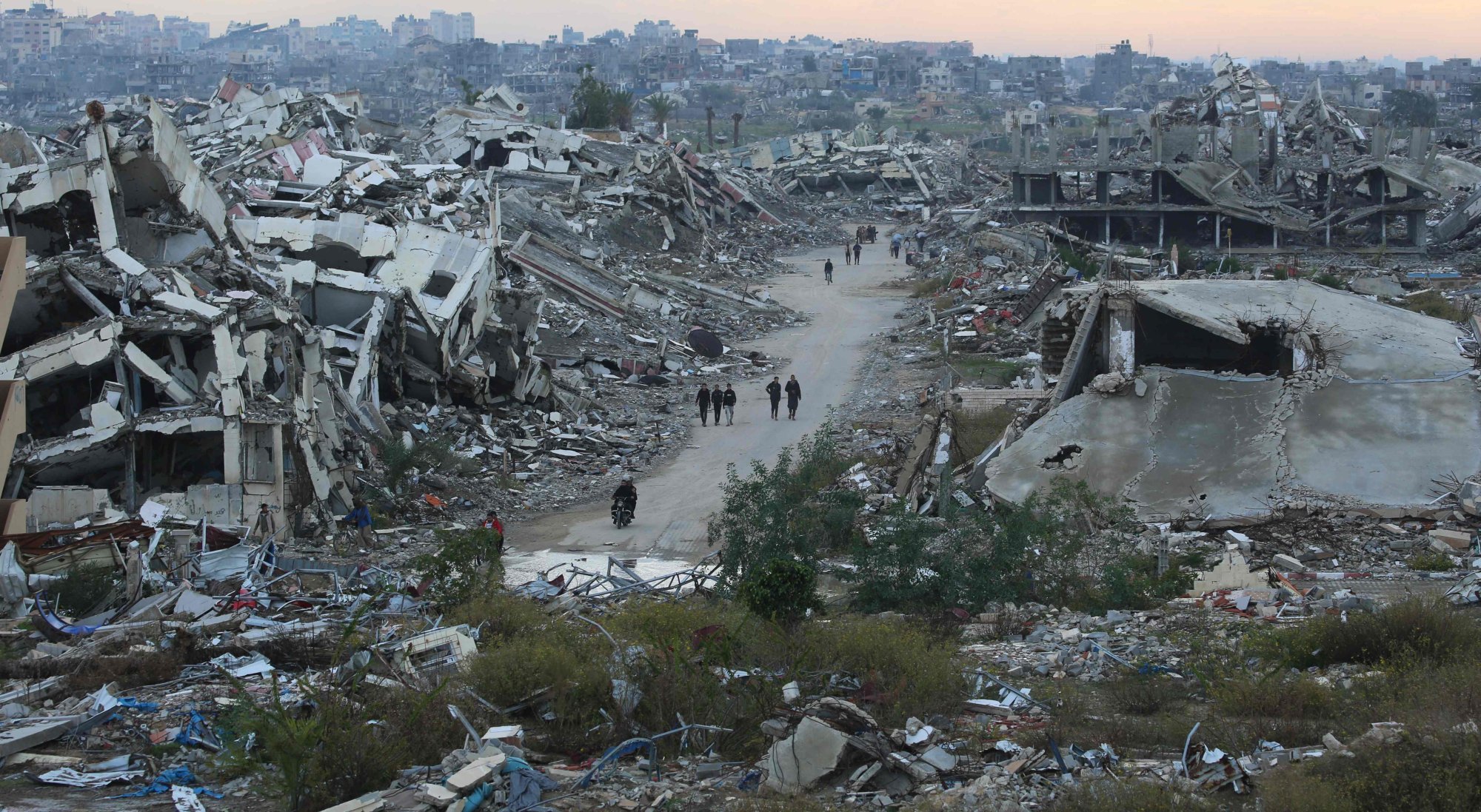
“Saudi Arabia is the corridor’s structural backbone, and meaningful progress is impossible without its active participation. The land corridor logic depends on Saudi-Israel normalisation, which remains stalled due to the Gaza conflict and the resulting regional political constraints.”
Former Indian diplomat Anil Trigunayat agreed, saying the Middle East conflict was hampering progress despite the commitment of India and other IMEC partners to move the project ahead.
He noted several positives, such as the planned harmonisation of customs procedures between India and the UAE, the discussion between India and Jordan on the IMEC during Modi’s recent visit to Amman, and talks between Italy and Greece on the project. “Slow and steady wins the race,” he added.
But Sachdev said a breakthrough in IMEC’s development would require progress in four areas: clear timelines, implementation planning, financial projections and binding contracts.
“At present, none of these elements is fully in place.”
More Articles from SCMP
Pentagon’s Taiwan war games reflect US anxiety over PLA power: defence experts
Fate of 600 goats in the balance as deadline nears to move for Hong Kong project
Taiwan’s T-Dome missile shield plan has ‘critical flaws’, mainland Chinese report says
China packs a patent punch in the race to build humanoid robots
This article originally appeared on the South China Morning Post (www.scmp.com), the leading news media reporting on China and Asia.
Copyright (c) 2025. South China Morning Post Publishers Ltd. All rights reserved.