Legal Battle Over the Unification Church’s Status in Japan
The Unification Church, a religious group founded in South Korea, has become a focal point of controversy in Japan following the 2022 assassination of former Prime Minister Shinzo Abe. The group, officially known as the Family Federation for World Peace and Unification, is now facing a critical legal challenge that could determine its future in the country.
Representatives of the Unification Church are set to return to court on Wednesday as judges consider whether to strip it of its legal status. The Tokyo High Court is widely expected to uphold a lower court’s dissolution order against the group, which could set a rare precedent for dissolving a major religious entity in Japan. If the ruling is upheld, the group would lose its status as a religious corporation, forfeit tax privileges, and enter court-supervised liquidation.
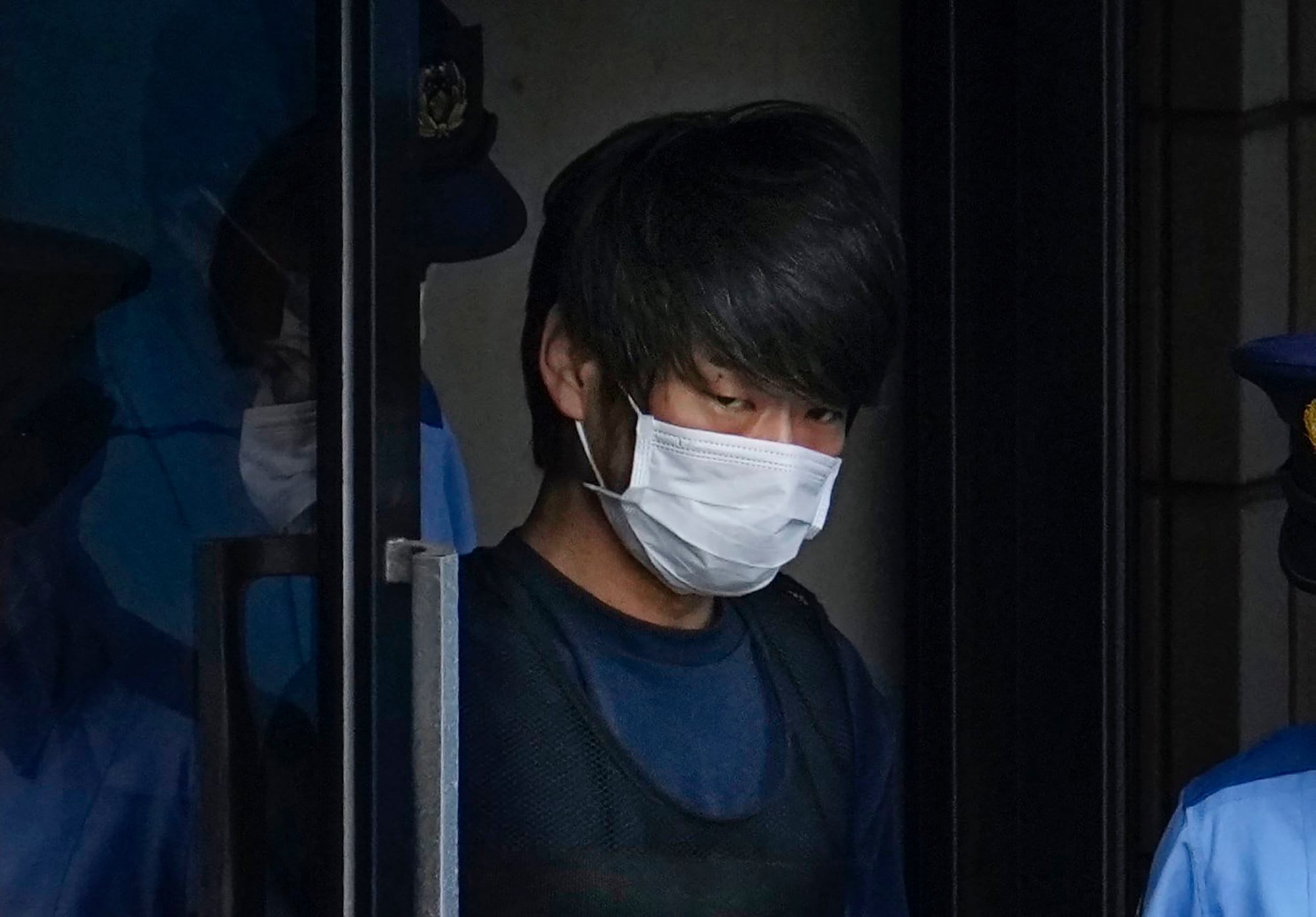
The case stems from revelations after Abe’s killing that the group had pressured followers to make large donations, including claims by the gunman that his mother had given away the family’s savings. The gunman filed an appeal last month against his life imprisonment. In the aftermath of the shooting, the group faced intense scrutiny over what critics described as “spiritual sales” — solicitation of donations and sales of inexpensive items at high prices by invoking religious beliefs.
The government applied for a dissolution order in 2023, with the Tokyo District Court complying in March 2025, stating that the improper solicitation of donations by members “caused unprecedented damage on an enormous scale.” The court recognized financial damage to 1,559 people and losses totaling more than 20 billion yen (US$127.4 million).
Even if the group appeals, legal experts say this move might not automatically halt liquidation proceedings against it. Takashi Yamaguchi, a member of the National Network of Lawyers Against Spiritual Sales, emphasized that the liquidation process would begin regardless of any appeal.
Liquidation procedures would be extremely complicated, and discussions were likely already taking place, Yamaguchi said in an interview. In recent months, the group has sought to highlight its efforts to compensate victims and reform its fundraising practices.
In December, Tomihiro Tanaka, the head of the group in Japan, announced that he was resigning after expressing an “apology imbued with remorse” to all those who had been affected by its actions. He acknowledged that the group’s activities had caused deep distress to some individuals but emphasized that it had “never committed a single crime.”
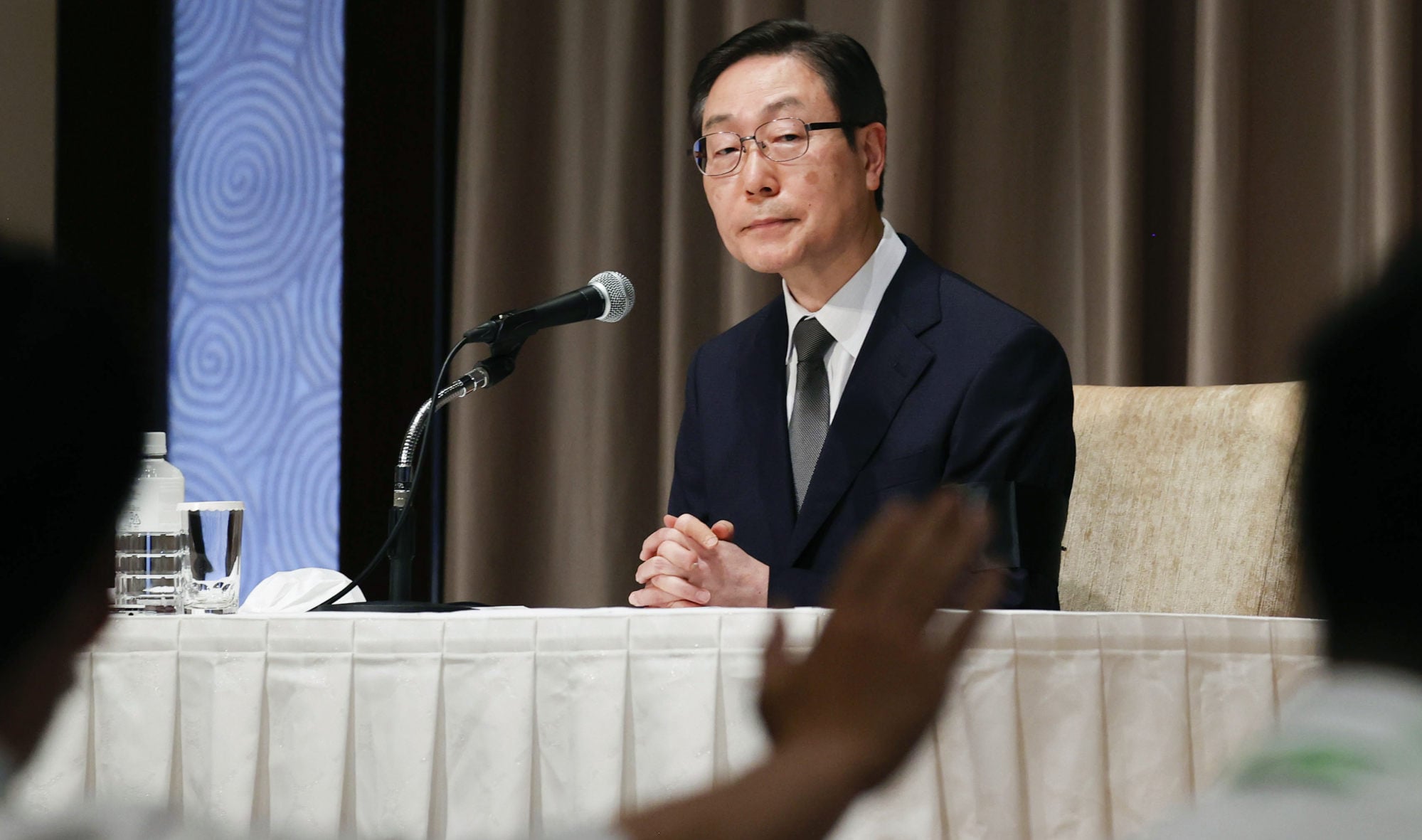
The group set up a committee to examine claims for compensation two months earlier and was working towards a resolution, Tanaka said then. He expressed confidence that the courts would recognize those efforts and reverse the dissolution order. In recent days, the group announced that it agreed to pay damages to 10 of the 316 claimants and had returned 30 million yen to five people.
In a statement released in November last year, the group described efforts to dissolve its operations as “an unacceptable case of religious oppression.” Its followers were being treated unfairly as if they were “second-class citizens,” and that their human rights had been violated, it added.
Calling for the appeal hearing to be based on “evidence and facts, rather than on public sentiment or prejudice,” the group’s statement added: “A nation that blindly follows the judiciary when the government of the day decides to ‘crush’ a religious organisation for political reasons, and that orders the dissolution of religious organisations in disregard of ‘judicial justice’ and the principle of evidence-based trial, has no future.”
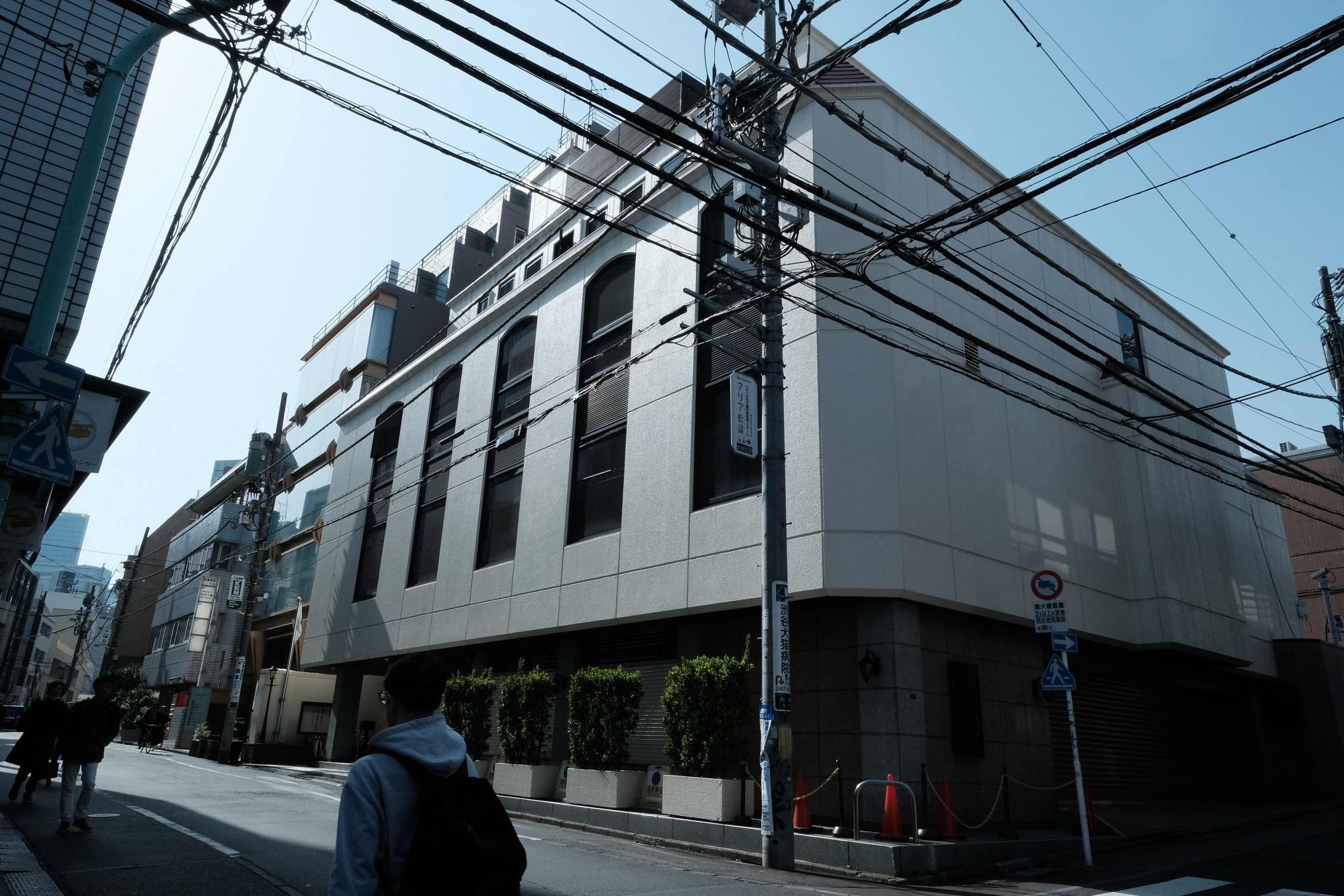
Ordinary Japanese people overwhelmingly appear to favor the dissolution of the group, which claims to have around 600,000 followers in the country. One message on an online news site stated, “The essence of the problem is not faith, but the long-standing concerns about the damage caused by large donations and the legality of the organisation’s operations.”
Another online user said: “Not issuing a dissolution order is tantamount to Japanese society giving its blessing. The Unification Church has been left alone thanks to its close ties with politicians. I hope that Japan’s judiciary system is not as corrupt as politics.”
Toshimitsu Shigemura, a professor at Tokyo’s Waseda University, noted that revelations about the group’s actions and efforts to influence politicians as well as previous Liberal Democratic Party governments had stoked anger among the Japanese people. The group is trying to delay legal proceedings for as long as possible and is determined to retain its status as a religious organization to enjoy tax exemption, according to Shigemura.
“But its argument about freedom of religion is weak given its actions, and I think most Japanese now see the Unification Church not as a spiritual organisation but as a moneymaking business,” he said. “It has survived challenges in the past, but I can see no circumstances in which it avoids a dissolution order this time. It will lose in court.”