The First Oil Shock and Its Impact on South Korea
The first oil shock originating from the Middle East erupted on October 16, 1973. Crude oil prices, which stood at $2.5 per barrel at the end of 1972, surged to $5.3 by the end of 1973. At that time, South Korea’s energy dependency on oil exceeded 50%. This sudden increase in oil prices had a profound impact on the country’s economy, leading to rising import costs, increased commodity prices, and a decline in exports.
President Park Chung-hee’s Response
In response to the crisis, President Park Chung-hee declared the “Third Presidential Emergency Measure for the Stabilization of People’s Livelihoods” (January 14 Measure) on January 14, 1974, three months later, under Article 53 of the Constitution. He also released a special statement urging the government and citizens to unite in overcoming the crisis wisely. The emergency measure included 17 well-structured policies and has since served as a foundational framework for government responses to Middle East conflicts.
However, experts argue that the current government led by President Lee Jae Myung is unlikely to replicate this role, as the president’s economic policies clash with the measure’s core principles. The question remains: why?
Government First Sacrificed under Park Chung-hee
The first oil shock caused oil prices to spike, leading to rising import costs. Commodity prices increased, while exports declined. The balance of payments turned to deficit, and foreign exchange reserves neared depletion. In a desperate move, President Park Chung-hee instructed Deputy Prime Minister for Economic Affairs Tae Wan-sun (Minister of Economic Planning Board) to prepare countermeasures and report back. In mid-December that year, the deputy prime minister submitted his report. Afterward, President Park summoned Kim Yong-hwan, the economic secretary to Cheong Wa Dae. “I gave the Economic Planning Board a month, but I still don’t understand their proposal. If we respond so halfheartedly, we won’t overcome this crisis. You should draft a new plan.”
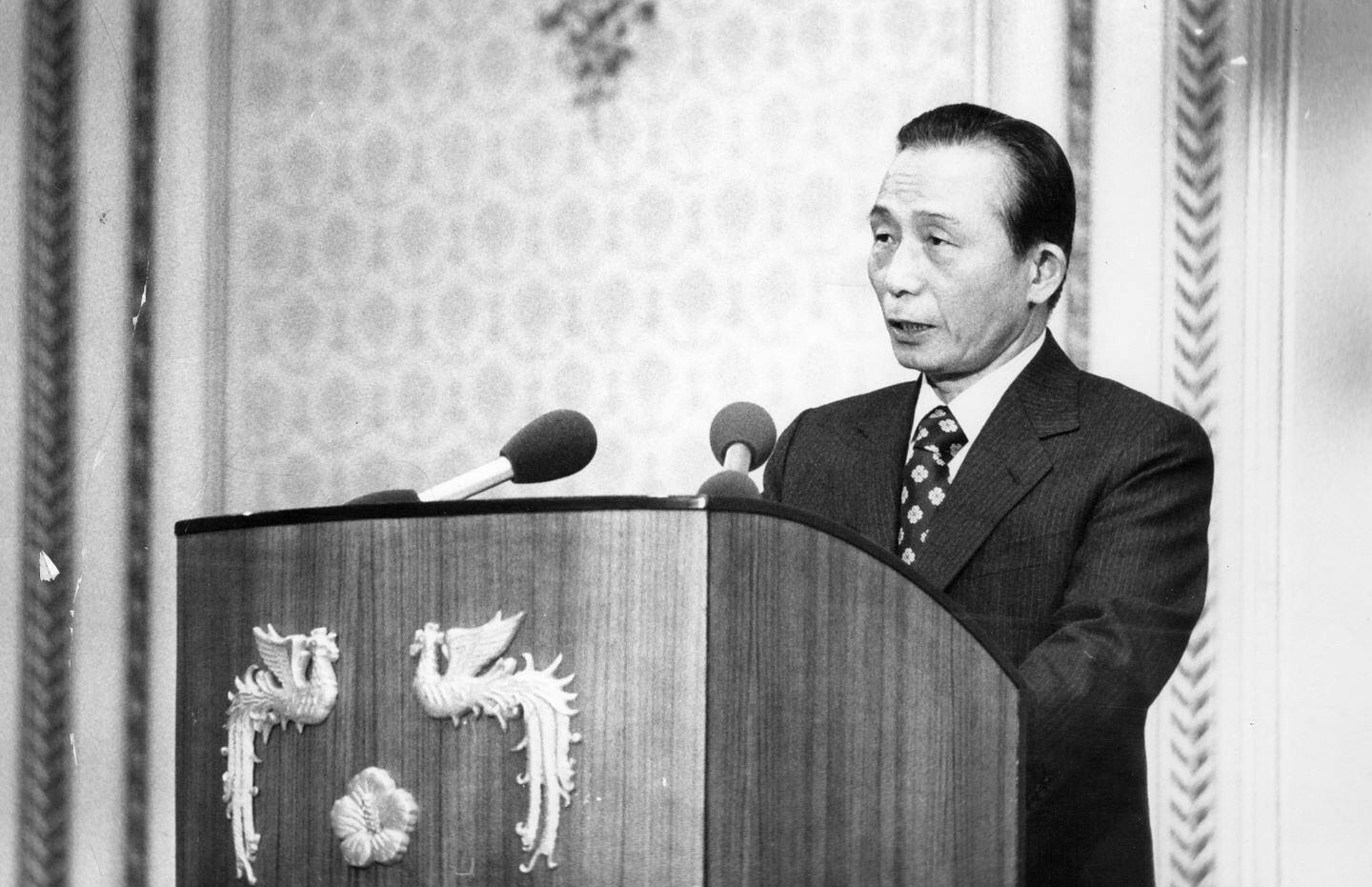
Secretary Kim, alongside 11 aides, secretly prepared countermeasures for a month at the Bukak Park Hotel in Segeumjeong, Seoul. The plan focused on four main directions:
- Stabilizing essential goods and public utility prices by maintaining appropriate money supply.
- Increasing disposable income for low-income groups by reducing labor income tax, business income tax, and resident tax for one year.
- Imposing heavy taxes on luxury consumption like high-end housing for high-income groups to curb excess spending.
- Balancing the fiscal budget by cutting 50 billion won from the government’s expenditure.
The government aimed to provide 75.5 billion won in benefits to low-income groups through these measures. Experts analyze that the core of President Park’s emergency measure lay in reducing government spending as much as the tax cuts to prevent inflation, as issuing deficit bonds equivalent to or exceeding the tax cut scale would have increased money supply and worsened price instability.
In his statement, President Park explained, “We have overcome various challenges and achieved global growth and development records thanks to the dedicated efforts of our people. The government and citizens have united to review multifaceted policies to overcome this crisis.”
Government Share First Secured under Lee Jae Myung
Experts argue that President Lee Jae Myung is nearly incapable of embodying President Park’s spirit of government self-restraint that defined the January 14 oil shock measures. This is because President Lee has pursued a “big government” strategy since taking office, expanding the government’s budget and organization. For instance, President Lee increased this year’s budget (728 trillion won) by 8.1% compared to the previous year. Additionally, the government plans to issue 109 trillion won in deficit bonds to cover the increased expenditure.
Furthermore, President Lee formulated a mid-term fiscal plan to increase annual budget spending by 4.0–8.1% and issue 109–124 trillion won in deficit bonds each year from 2025 to 2009. Notably, while total fiscal expenditure is set to grow by an average of 5.5% annually over five years, the administrative budget required for government operations will increase by a higher average of 6.4% annually. Experts interpret this as an intention to manage election sentiment by spending lavishly throughout the term to secure re-election. Recently, as tax revenues showed signs of increasing due to a semiconductor boom, President Lee has already mentioned compiling a supplementary budget to spend the additional funds rather than reducing deficits.
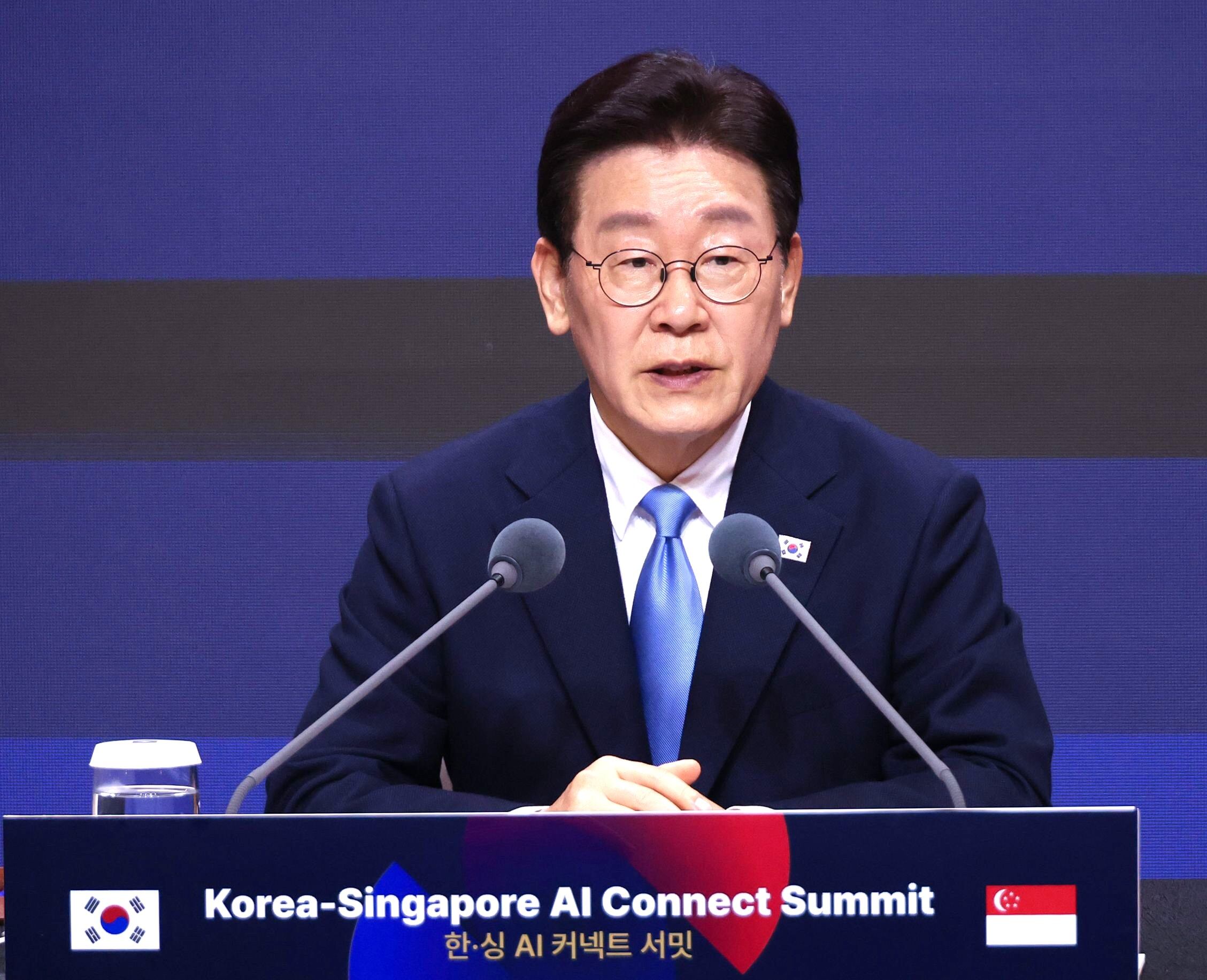
President Lee Jae Myung’s expansionary policy is also evident in the reorganization of government agencies. For example, economic ministries have historically operated around the Economic Planning Board (responsible for macroeconomic planning, economic planning, and budgeting) and the Ministry of Finance (responsible for finance and taxation) since President Park Chung-hee’s economic development plans. President Kim Young-sam merged these two ministries into the Ministry of Finance and Economy in 1994 to reduce government personnel and budget, lower taxpayer burdens, and ease regulations. After the 1997 foreign exchange crisis, legislative functions were split back into two ministries due to accountability debates. However, starting this year, President Lee Jae Myung expanded the two ministries into three by separately establishing the Ministry of Planning and Budget. This increased the number of public servant positions and the taxpayer funds required to support them.
One expert stated, “The separation of the Ministry of Planning and Budget is a measure to allow the president or politicians to extract national budgets like candied gourds while avoiding resistance from bureaucrats.” Another expert interpreted it as retaliation against former President Yoon Suk Yeol, whose acting prime minister appointed a constitutional court judge against President Lee’s wishes during the state of emergency.
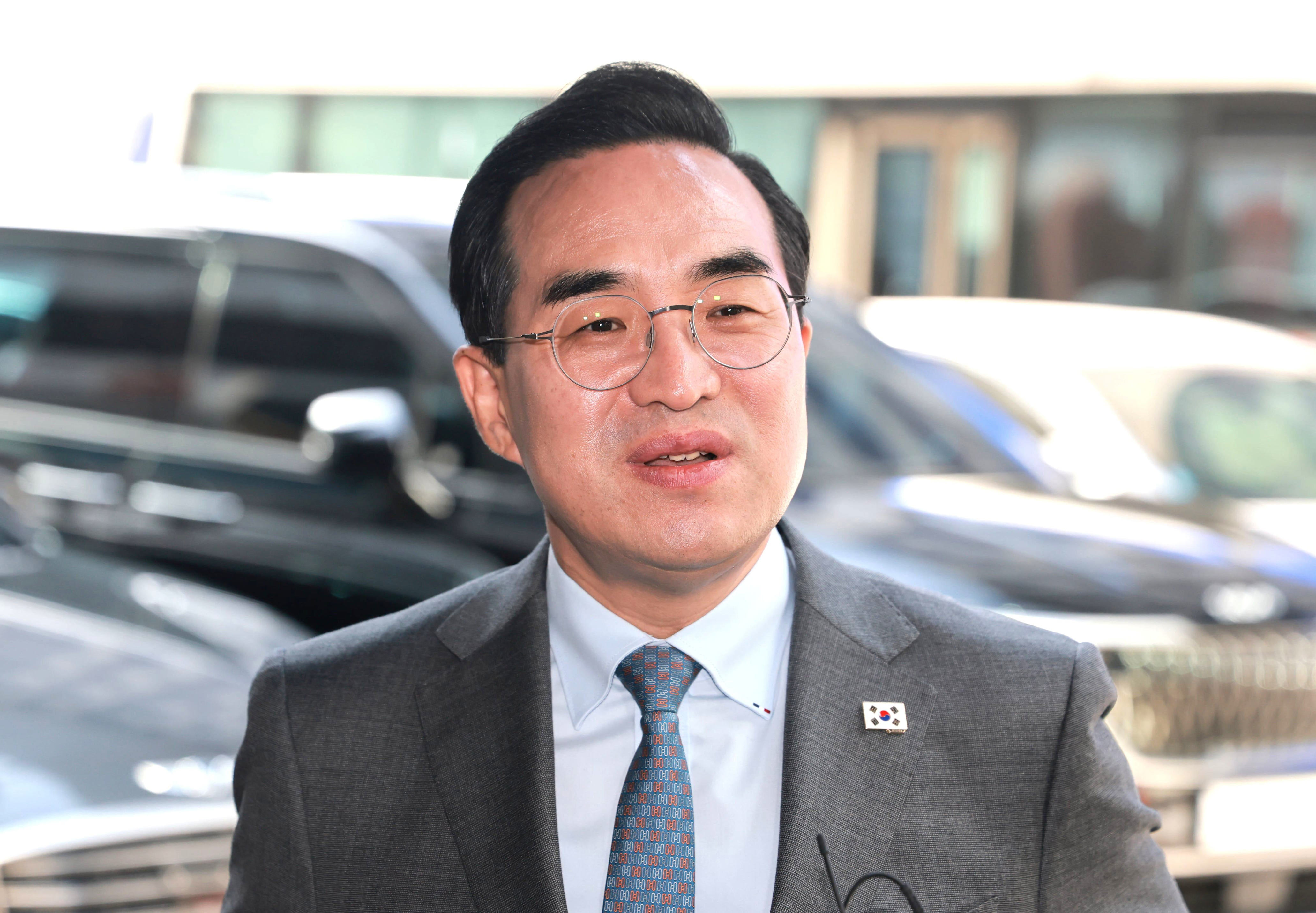
Experts explain that since President Lee is addicted to expansionary fiscal policies and a large government structure, it is difficult to expect him to follow President Park’s principle of first reducing government expenditure. Some analyses compare leaders with an “owner consciousness” responsible for the nation’s future to those with a “stranger consciousness” who completely overhaul the nation’s system for personal security, a system maintained for nearly 80 years.
Additional Offers for Readers
월 5900원 멤버십, 신문 독자에게는 2900원, 조선멤버십
55000원 상당의 신문-잡지 8종 마음껏 보기, 조선멤버십
현금처럼 쓸 7000포인트 받아 알뜰한 쇼핑, 조선멤버십