Escalation in the Middle East: Drone Attacks, Strikes, and International Reactions
Recent events in the Middle East have seen a significant escalation of tensions, with multiple attacks and military actions reported across several countries. The situation involves the United States, Israel, Iran, and various regional actors, highlighting the complexity of the ongoing conflict.
Drone Attack on US Embassy in Riyadh
The US embassy in Riyadh, Saudi Arabia, was hit by a drone attack early on Tuesday. According to reports, two drones struck the embassy, causing limited fire and some material damage. The Saudi Defense Ministry confirmed that the attack occurred and stated that they had “intercepted and destroyed” eight drones near Riyadh and Al-Kharj. The embassy issued a “shelter in place” notice for US citizens in Riyadh, Jeddah, and Dhahran, advising them to avoid the facility until further notice.
Witnesses described a loud blast and light smoke coming from the embassy. The US Embassy compound in Kuwait was also reportedly struck, with black smoke rising above the compound. The Department of State has warned American citizens not to come to the embassy.
Iranian Strikes on Gulf States
Iran launched a wave of missiles and drones targeting several Gulf states on Monday night into Tuesday. The attacks were part of a broader escalation, with reports of ballistic missiles being intercepted by the United Arab Emirates and Qatar. In addition, Iran claimed to have targeted Jordan, Kuwait, and Bahrain overnight.
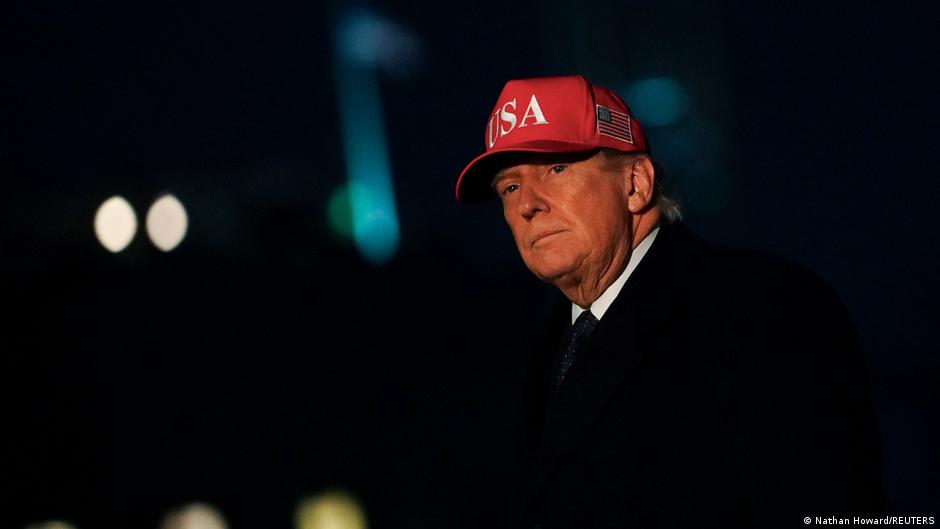
The US Central Command confirmed that six service members were killed in Iranian strikes. President Donald Trump suggested that the United States would retaliate “soon” for the attack on the embassy and the killing of the service members. However, he indicated that boots on the ground in Iran may not be necessary.
Israeli Strikes on Hezbollah Targets
In response to the attacks, Israel conducted strikes on Hezbollah sites in Lebanon. The Israeli Defense Forces (IDF) targeted command centers and weapons storage facilities in Beirut. Al-Manar TV, affiliated with Hezbollah, reported that its office in Beirut’s southern Haret Hreik area had been hit. The IDF also claimed to have killed Abu Hamza Rami, the top commander of Palestinian Islamic Jihad in Lebanon.
Lebanon’s government reported 52 deaths and 154 injuries from the attacks. On Monday, Israel carried out dozens of airstrikes on Beirut’s southern suburbs as well as southern and eastern Lebanon. The military said it killed the head of Hezbollah’s intelligence headquarters, Hussein Mokaled, in these earlier attacks.
Regional Impact and Concerns
The fighting has led to widespread disruption, with schools and universities in Lebanon closed on Tuesday due to the situation. The US State Department has advised Americans to depart the Middle East immediately.
The Pentagon has expressed concerns about the potential depletion of US ammunition stockpiles if the conflict continues for an extended period. Military analyst Marina Miron discussed this issue in an interview with Pasarmodern.com, highlighting the strategic implications of prolonged warfare.
Ongoing Tensions and Future Outlook
The situation remains volatile, with multiple parties involved in the conflict. The US and Israel continue to respond to attacks, while Iran and its allies, including Hezbollah, escalate their actions. The international community is closely monitoring the developments, as the conflict has the potential to spread further and impact global stability.
As the situation unfolds, the focus will remain on the responses from all sides and the potential for further escalation. The region’s complex web of alliances and rivalries makes it challenging to predict the outcome, but the immediate priority is to ensure the safety of civilians and prevent further loss of life.