Rising Fuel Prices and Panic Buying in the UK
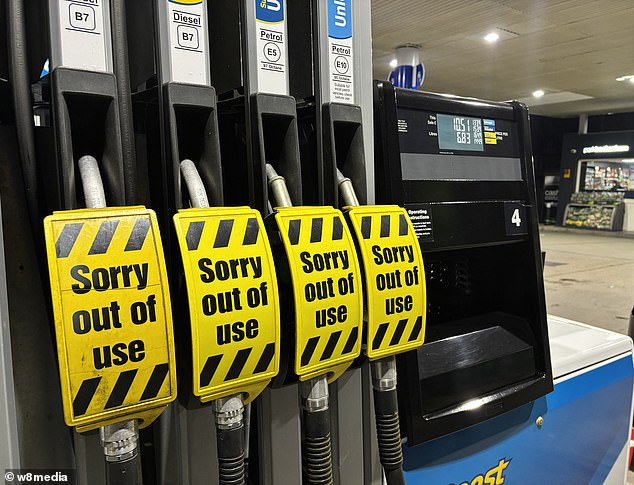
As oil prices surge to record levels, petrol stations across the UK are experiencing a significant shortage of fuel. This has led to widespread panic among British drivers, who are rushing to fill up their vehicles before prices increase further. The situation has been exacerbated by the ongoing conflict in the Middle East, which has disrupted the transport of fuel to the West.
The conflict has resulted in companies suspending sailing through the Strait of Hormuz following Iranian attacks on ships and ports. As a result, oil prices have skyrocketed, with the global benchmark Brent crude increasing by approximately 13 per cent to the highest level recorded since July 2024.
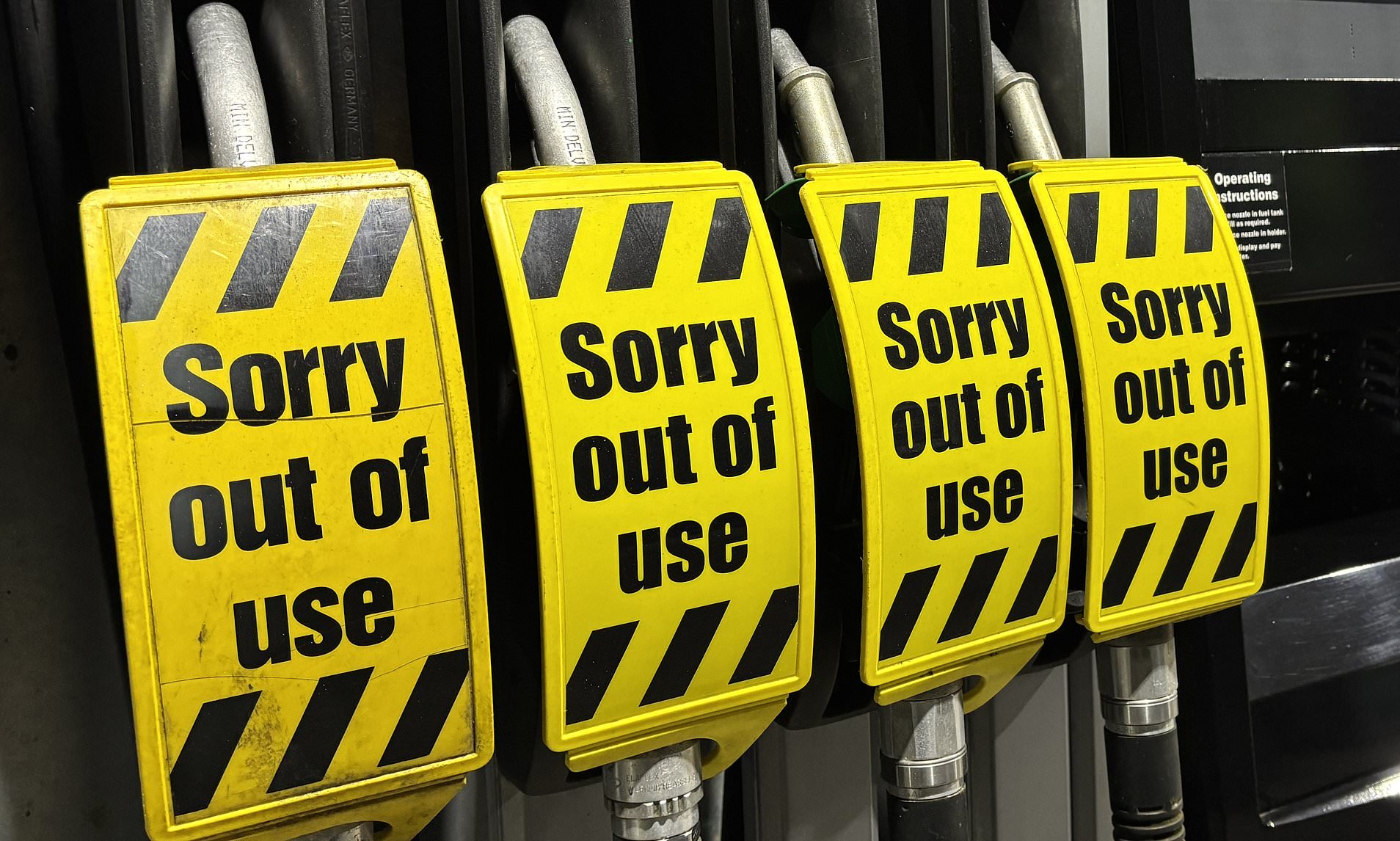
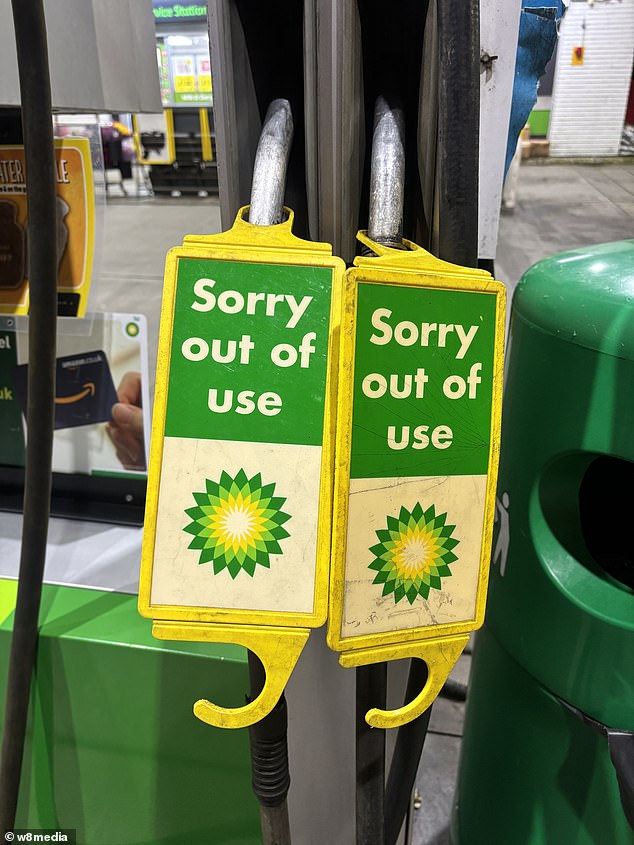
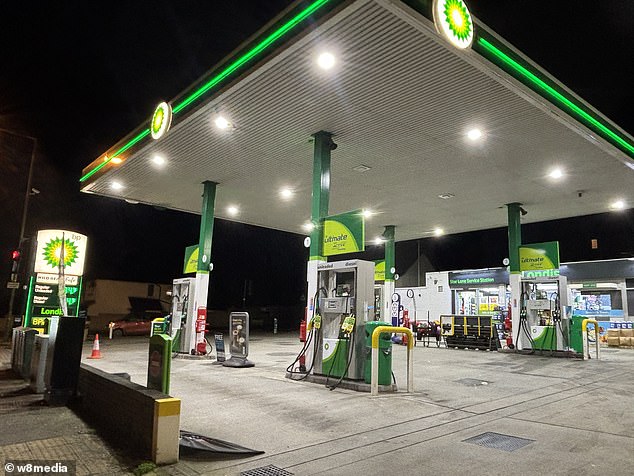
Despite warnings from the AA urging drivers not to panic buy, many Brits have ignored this advice. Valero Garage in Beckenham, south London, completely ran out of petrol on Monday evening after dozens of locals rushed to fill their tanks. Some residents even arrived with petrol cans in an attempt to secure longer-term fuel supplies. Similar scenes were observed at nearby BP fuel stations in Croydon, where signs reading “Sorry out of use” were displayed.
Impact on Fuel Stations Across the Country
Pictures from petrol stations across the nation show thousands of Brits refueling before prices are rumored to surge. At Costco Vauxhall and Go 24 Hour Express in Kirkdale, Liverpool, queues for pumps stretched beyond the stations onto nearby roads. Meanwhile, 35 miles away in Greater Manchester, dozens of vehicles were seen waiting for fuel at the Trafford Centre.
The US-Israeli conflict with Iran entered its third day on Monday as the Gulf nation continued its retaliatory attacks on nations such as Bahrain, Kuwait, the United Arab Emirates, and Cyprus. Two ships in the Strait of Hormuz were hit on Sunday morning, leaving one on fire and four mariners injured. The crew of one vessel named Skylight were later evacuated.
A third strike occurred 35 miles off the coast of the UAE in the afternoon when, according to the United Kingdom Maritime Trade Operations (UKMTO), “an unknown projectile exploded in very close proximity to a vessel.” It added that all crew were safe and well.
Disruption to Global Fuel Supply
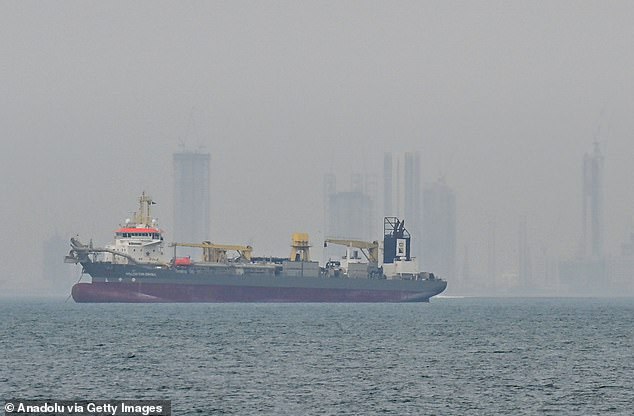
The threat of further attacks has led to a significant risk for shipping companies. Maersk and CMA CGM have refused to head into the 100-mile Strait of Hormuz, which is just 24 miles wide at its narrowest point, where the Persian Gulf flows into the Arabian Sea.
Some 20 per cent of the world’s oil – about 20 million barrels per day – and 25 per cent of liquefied natural gas is transported through the passage, which Iran briefly closed during live fire drills. OPEC (the Organisation of Petroleum Exporting Countries) has been accused of cashing in on the crisis in the Middle East as prices have already climbed 20 per cent this year as markets anticipated the attack on Iran.
Insurers are reportedly declining to cover ships passing through the Strait, where UKMTO said it is aware of “significant military activity.” The US said it could not guarantee ships’ safety, and experts predict the disruption could last for days.
Expert Warnings and Economic Concerns
Ali Vaez, director of the Iran Project, warned that “Closure of the Strait of Hormuz would disrupt roughly a fifth of globally traded oil overnight – and prices wouldn’t just spike, they would gap violently upward on fear alone.” He added that the shock would reverberate far beyond energy markets, tightening financial conditions, fuelling inflation, and pushing fragile economies closer to recession in a matter of weeks.
It is thought that European gas prices have rocketed 40 per cent since the conflict erupted on Friday, with stock markets falling around the world today. Analysts are fearing a fresh bout of inflation driven by disruption to energy markets.
Neil Wilson of Saxo Markets said, “We are a long way off 2022 in terms of pricing, but if LNG to Europe is effectively shut via Hormuz for a prolonged period, we could see chaos. I am much more concerned about European natural gas prices than oil prices.”
Escalation of the Conflict
Retaliatory missiles sent by Iran were prompted by the killing of the country’s Supreme Leader Ayatollah Ali Khamenei on Saturday. Drones have since rained down on a host of nations in the Gulf, with Cyprus later becoming a target too.
Sardar Jabbari, a senior commander of the country’s military, warned on Monday: “The Americans have moved most of their aircraft to Cyprus. We will launch missiles at Cyprus with such intensity that the Americans will be forced to leave the island.”
President Donald Trump has shown no signs of backing down and didn’t rule out deploying US troops in Iran “if they were necessary.” The American leader also revealed that the conflict could last up to four weeks.
He said: “I don’t have the yips with respect to boots on the ground – like every president says, ‘There will be no boots on the ground. I say ‘probably don’t need them,’ (or) ‘if they were necessary.’”
Trump also struck a defiant tone about the possible political consequences of such an action, telling the outlet, “I don’t care about polling.” “Look, whether polling is low or not, I think the polling is probably fine. But it’s not a question of polling. You cannot let Iran, who’s a nation that has been run by crazy people, have a nuclear weapon,” the President explained.
In a separate interview, Trump alluded to major forthcoming action in Iran. “We haven’t even started hitting them hard. The big wave hasn’t even happened. The big one is coming soon.”