Crisis Talks Between Trump and Starmer Over US-UK Relations
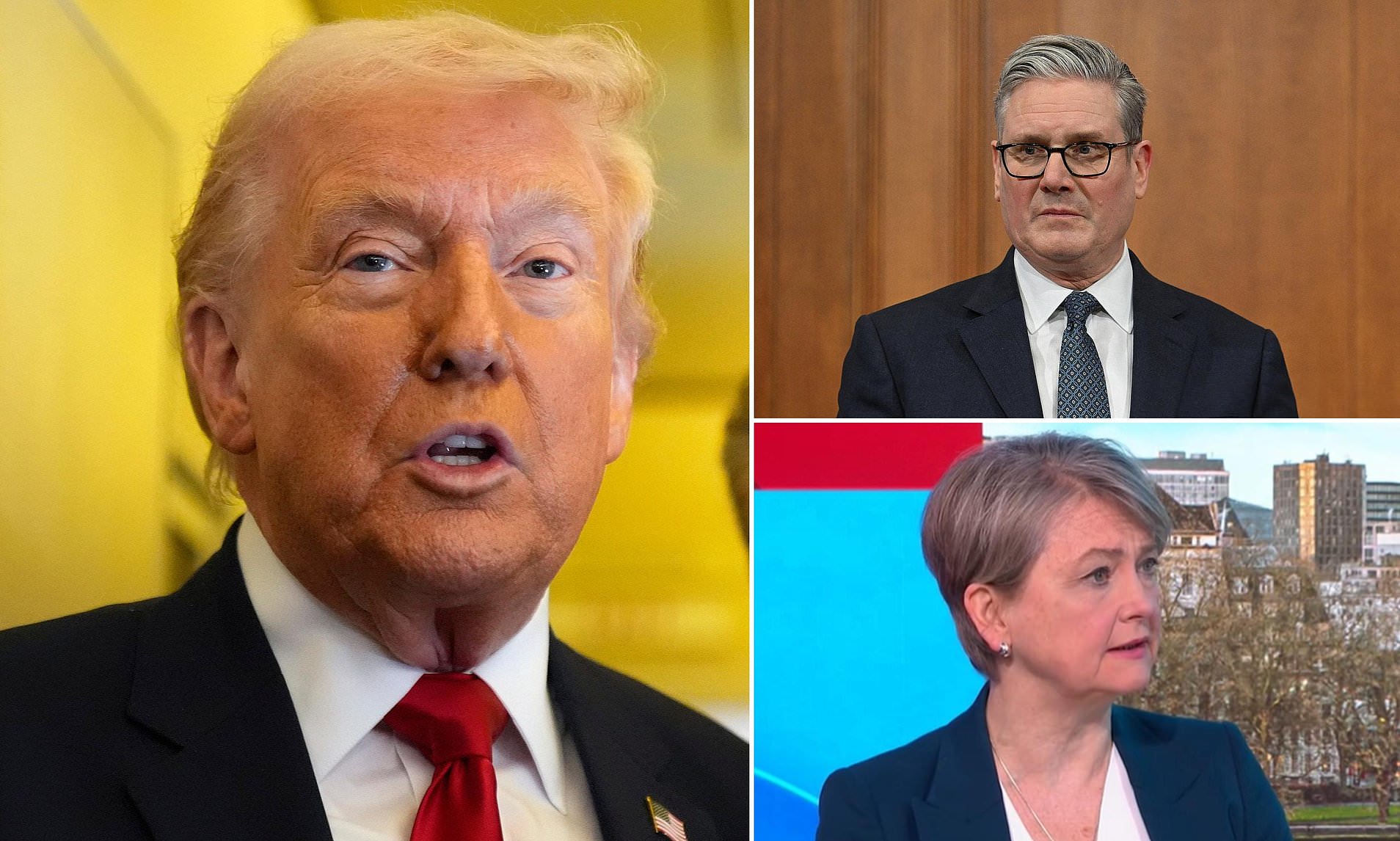
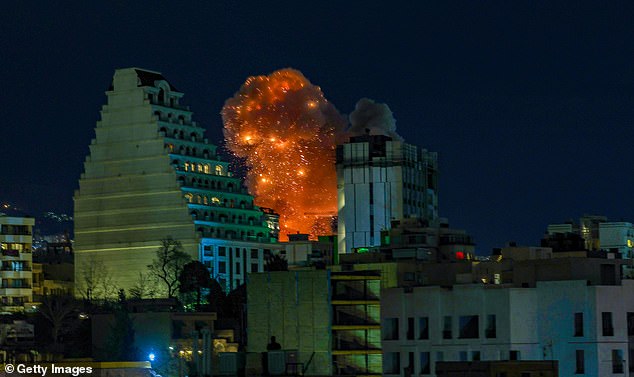
Donald Trump and Sir Keir Starmer recently engaged in urgent discussions regarding the long-standing ‘special relationship’ between the United States and the United Kingdom. This comes amid a significant rift that has not been seen in decades, fueled by disagreements over the ongoing conflict with Iran.
The two leaders met for the first time since the conflict began, following a weekend of intense exchanges between the U.S. president and the Labour administration. The UK’s decision to refrain from joining the military actions against Iran sparked a wave of criticism from Trump, who took to his Truth Social platform to express his frustration.
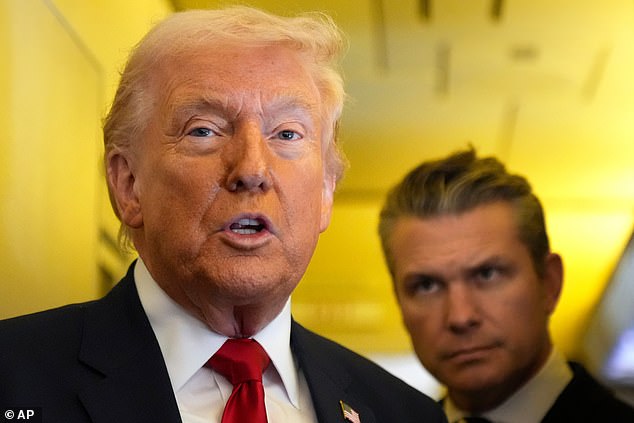
In a sharp critique on Saturday, Trump accused Sir Keir of only offering defensive assistance after the U.S. had already begun its attacks alongside Israel. He warned that the U.S. would “remember” the lack of support from what he described as “our once great ally.” Trump also suggested that the Prime Minister was attempting to join a war that had already been won.
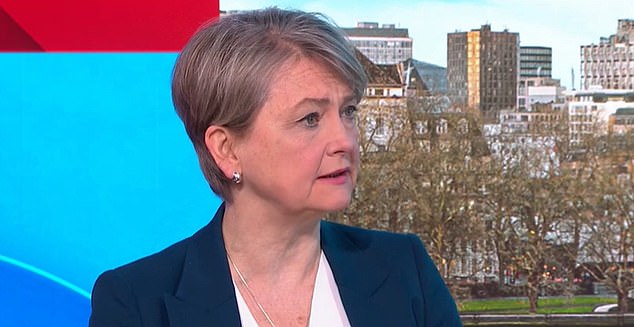
In response, Foreign Secretary Yvette Cooper criticized Trump’s approach, stating that “diplomacy through social media isn’t our style.” She emphasized that it was not in the UK’s interest to outsource its foreign policy decisions. The UK government has not joined the U.S.-Israeli strikes on Iran, with Sir Keir expressing his belief that “regime change from the skies” is not a viable strategy.
However, the UK has agreed to allow the use of its military bases for a “specific and limited defensive purpose” – specifically to destroy Iran’s missiles at their source. No10 confirmed that the discussions between the two leaders focused on the military cooperation between the UK and the U.S., particularly through the use of RAF bases in support of collective self-defence in the region.
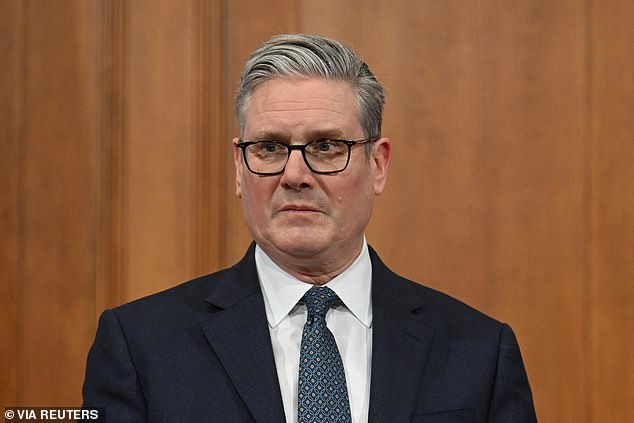
UK’s Position on the Conflict
Ms. Cooper defended Sir Keir’s decision to avoid offensive action, stating that it was not in the UK’s national interest to attack Iran. She praised the Prime Minister’s approach, highlighting his calm and steady method of handling international issues. She noted that this reflects the British character of being serious and practical in decision-making.
She also addressed criticism from former Labour Prime Minister Tony Blair, who had previously commented on Sir Keir’s stance. Ms. Cooper argued that it was essential to learn from past mistakes, such as those made in Iraq. She pointed out that Sir Keir had taken these lessons into account.
A spokeswoman for Sir Tony clarified that his comments were made during a private event and were not meant for public consumption. However, his remarks have raised concerns within the Labour Party, which still carries the scars of his decision to support the 2003 invasion of Iraq based on false claims about weapons of mass destruction.
Tensions Escalate
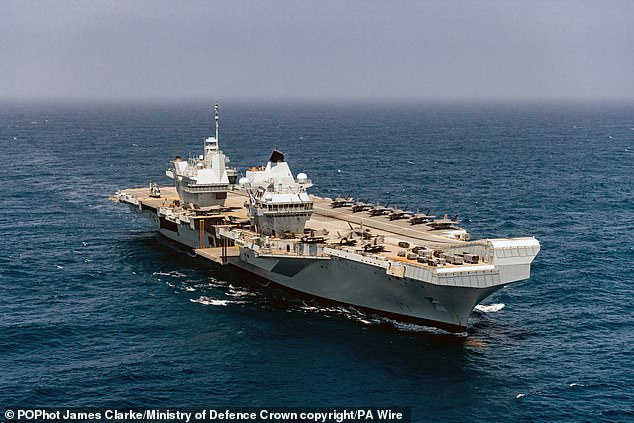
Trump’s recent comments further strained the relationship, as he reportedly told Sir Keir that the Royal Navy’s aircraft carriers were no longer needed. He posted on Truth Social: “The United Kingdom, our once Great Ally, maybe the Greatest of them all, is finally giving serious thought to sending two aircraft carriers to the Middle East. That’s OK, Prime Minister Starmer, we don’t need them any longer – But we will remember. We don’t need people that join Wars after we’ve already won!”
This follows reports that the Royal Navy is preparing one of its two aircraft carriers for potential deployment to the Middle East. The readiness of HMS Prince of Wales is being increased, with its crew warned they should be prepared to sail in five days. Additionally, the Type 45 destroyer HMS Dragon is set to depart next week.
Sir Tony’s criticism of Sir Keir for not supporting Trump’s war on Iran has sparked further tensions. At an event on Friday, he stated, “We should have backed America from the very beginning.” He urged Sir Keir to show up for his allies, emphasizing their importance to security.
Trump’s initial reaction to Sir Keir’s refusal to permit strikes on Iran from UK territory included calling him “not Winston Churchill.” After Sir Keir eventually allowed the U.S. to conduct missions for “specific and limited defensive purposes,” Trump expressed disappointment with his British counterpart.
Sir Keir justified his initial refusal by stating that he did not believe in “regime change from the skies.” While his arguments were grounded in international law, they were also influenced by political considerations, including the lack of support within his Cabinet for a more aggressive stance similar to that of Sir Tony.