UK Faces Natural Gas Shortage Crisis Amid Global Supply Disruptions
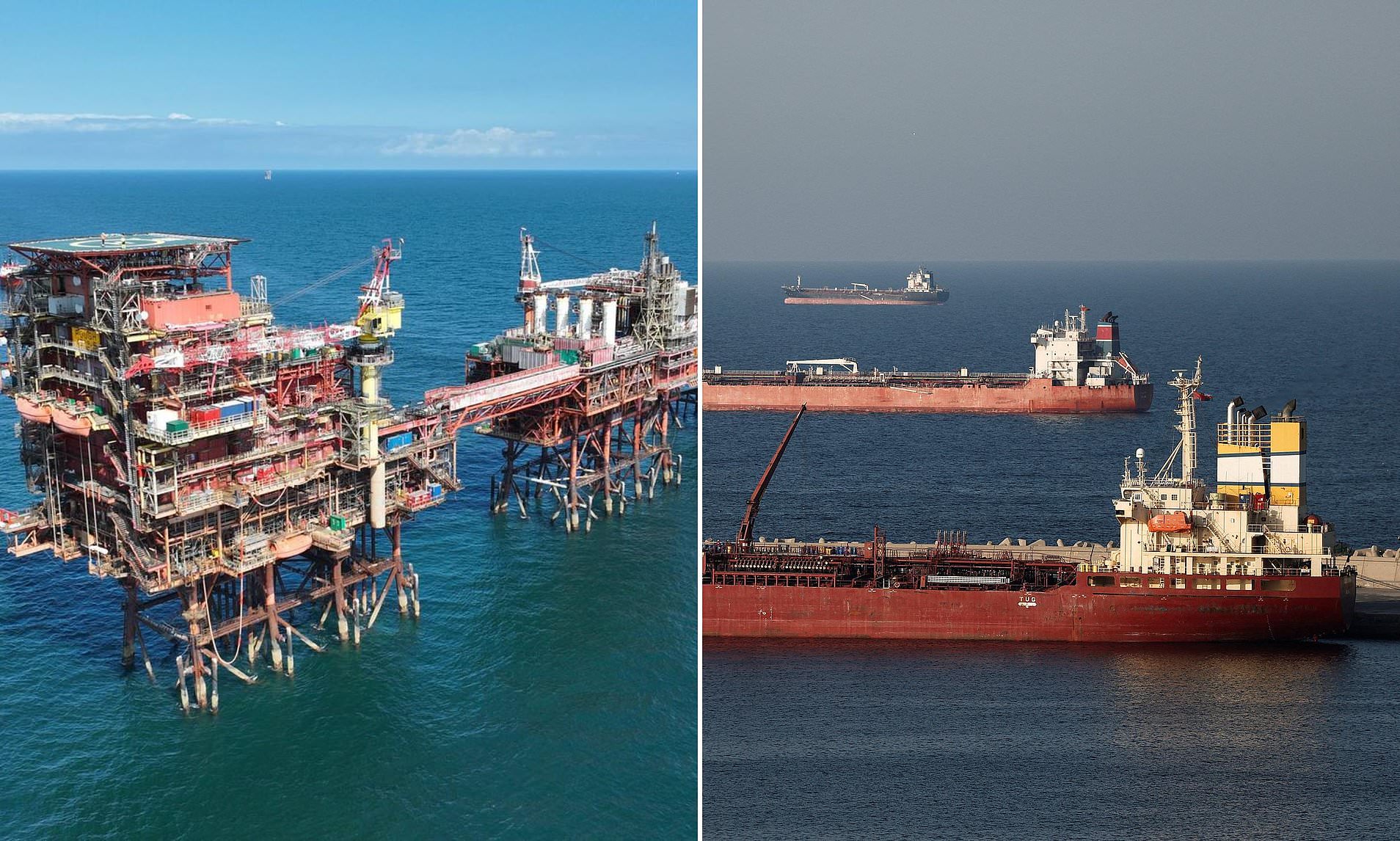
The United Kingdom is currently facing a critical shortage of natural gas, with only two days’ worth of reserves available in storage. This situation has raised serious concerns about potential energy shortages as global supply chains are disrupted due to the ongoing conflict in the Middle East. The closure of the world’s largest gas facility and the blocking of a key shipping channel have exacerbated the problem, leaving the UK in a precarious position.
According to recent data from National Gas, the UK’s gas reserves have dropped significantly from 18,000 GWh last year to just 6,700 GWh. This amount is sufficient for only 1.5 days of demand, and there is a similar quantity stored as liquefied natural gas (LNG). In contrast, Europe is better prepared, with several weeks’ worth of gas stored up, which provides a buffer against fluctuations in supply.
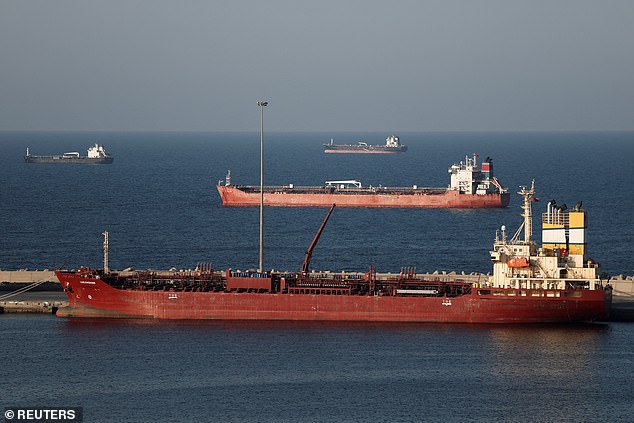
Traders are taking advantage of the UK’s vulnerable position by charging premium prices for gas, knowing that the country has no choice but to outbid its European competitors. As a result, the UK is now paying the highest wholesale gas price in Europe. This situation is driven partly by the near-total closure of the Strait of Hormuz, through which around 20 percent of the world’s natural gas and oil flows. Additionally, the shutdown of production in some areas has further disrupted the market.
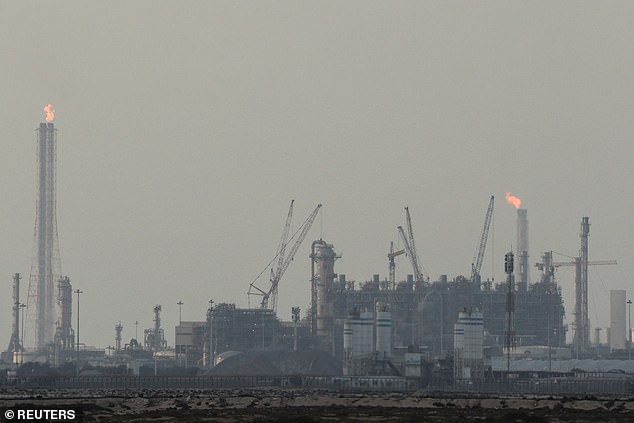
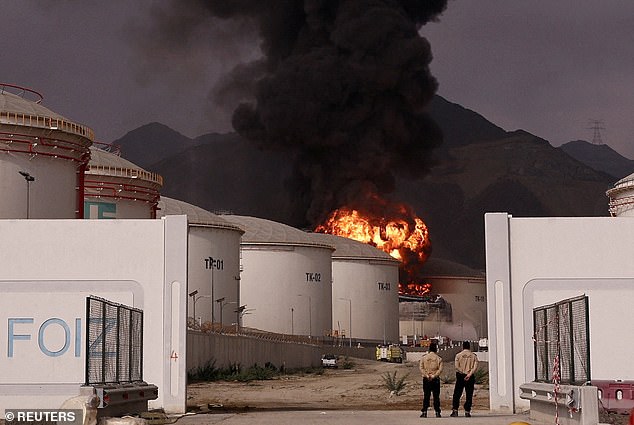
Qatar recently announced the suspension of production at Ras Laffan, the world’s largest natural gas facility, after it came under Iranian bombardment. This development has added to the uncertainty in the global gas market.
Rising Oil Prices and Geopolitical Tensions
Oil prices are also expected to rise sharply, with industry experts warning that they could soon hit $100 per barrel and potentially reach $150 if the conflict continues. This increase comes amid a series of events that have heightened tensions in the region:
- A ‘river of fire’ engulfed Iran after an oil spill ignited in Tehran amid ongoing US-Israeli air strikes.
- Donald Trump considered sending in special forces to secure Iran’s stockpiles of enriched uranium, fearing they could fall into the wrong hands.
- Iran appointed its new Supreme Leader, while Israel vowed to ‘pursue every successor’ of Ayatollah Ali Khamenei.
- Donald Trump criticized Sir Keir Starmer again, stating, “We don’t need people that join wars after we’ve already won.”
- Foreign Secretary Yvette Coooper risked damaging the ‘special relationship’ by mocking Trump.
- Tony Blair rebuked Starmer for not supporting Trump’s military action.
Natasha Fielding, head of gas pricing at Argus Media, noted that the price of gas in the UK has increased more than almost anywhere in Europe. She explained that the UK gas hub price is now above the Dutch TTF (the main European gas hub) from now until the end of May. Previously, the UK was priced below the EU. This shift is partly due to the UK’s limited gas stockpiles, which leave the country more exposed to price spikes. Fielding emphasized that the UK cannot rely on withdrawing more gas from storage and must instead import it from abroad.
Ms. Fielding also mentioned that traders will be closely monitoring temperatures in Britain. If it gets cold, the UK will be more urgently compelled to outbid other countries for gas. Historically, the UK had up to 12 days’ worth of gas in storage, but this system collapsed after successive government ministers pulled funding.
Challenges in Gas Storage and Supply
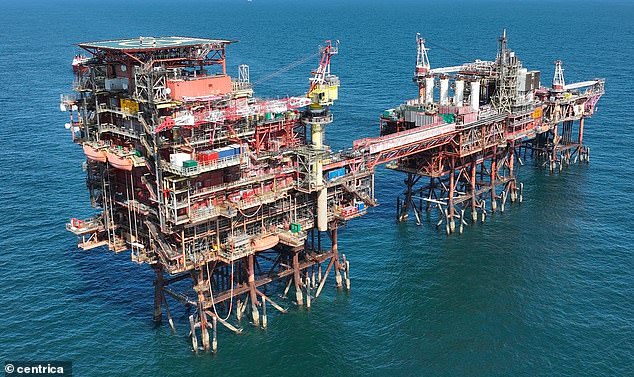
National Gas data revealed that gas stores were at 18% of their former capacity on Friday, while LNG stores were just over half full. A National Gas spokesman stated that the UK primarily sources its gas from Norway and its own North Sea. They told The Telegraph: “The UK benefits from a wide range of gas supply sources. These provide the flexibility needed to balance supply and demand.”
However, fears of a significant spike in oil prices are growing, largely due to disruptions in the flow through the Strait of Hormuz. Iran’s Revolutionary Guards have vowed to ‘set ablaze’ any Western tanker attempting to sail through the strait, and hundreds have since amassed at either end.
Goldman Sachs warned that the current drop in the Middle East’s oil output is 17 times larger than the peak drop in Russia’s output after it invaded Ukraine. Oil prices have already surged above $90, with American crude settling at $90.90 on Friday, up 36% from a week ago. Brent, the international benchmark, climbed 27% over the course of the week to land at $92.69.
The bank said: “We now think that oil prices would likely exceed $100 next week if no signs of solutions emerge by then.” It also warned that oil prices, especially for refined products, could surpass the 2008 and 2022 peaks if Strait of Hormuz flows remain depressed throughout March.
Experts have advised UK households to prepare for multiple price increases driven by the Middle East conflict. Professor Mohamed El-Erian of the University of Pennsylvania told BBC Radio 4’s Today programme: “Once again, we see the UK more vulnerable to external shocks than otherwise that in turn is going to translate into higher mortgage rates. So the average person will get hit from multiple sides, unfortunately.”
“The average person is going to face higher energy prices, but also higher mortgage rates and slowly but surely, noticeable increases in a broad range of goods and services because of supply chain disruptions.”