The RSP’s Shift in Parliamentary Behavior
Kathmandu, May 24 — In a significant shift from its earlier parliamentary activism, the Rastriya Swatantra Party (RSP) has been largely silent on national issues since coming to power following the youth uprising of September last year. This change is particularly notable given the party’s past efforts to address sensitive matters such as the Lipulekh issue, which involved India and China reopening the Kailash Mansarovar pilgrimage route without Nepal’s involvement.
In August 2025, RSP lawmaker Ganesh Parajuli raised concerns about this move, calling it a violation of Nepal’s sovereignty. He demanded that then-prime minister KP Sharma Oli address parliament and forge political consensus on the issue before his planned China visit. However, after being re-elected in the March polls, Parajuli did not mention Lipulekh during a recent parliamentary session, highlighting the party’s current reluctance to engage with broader national issues.
The RSP, which once accused the previous Congress-UML coalition of bulldozing parliamentary business, is now facing similar criticism from the opposition. This shift has led to an increasingly tense atmosphere in the budget session of the House of Representatives, which began on May 11.
Parliamentary Protests and Rule Violations
Beginning May 27, 2025, the RSP repeatedly obstructed House proceedings demanding a parliamentary or judicial probe into alleged involvement of then-home minister Ramesh Lekhak in a visit visa scam affecting outbound Nepalis. When then-Speaker Devraj Ghimire ignored the protests and continued House business from June 16, RSP lawmakers escalated their demonstrations by obstructing proceedings while wearing blue scarves from June 17 onwards.
At the time, Shyam Kumar Ghimire, then-chief whip of the Nepali Congress, accused the party of violating parliamentary decorum. RSP lawmakers occupied the well of the House, read books and newspapers, and shouted slogans demanding respect for parliamentary rules. These actions contrast sharply with the current situation, where the RSP leads the government with a near two-thirds majority.
Current Political Dynamics
DP Aryal, who frequently joined protests in the well of the House after the 2022 elections, is now the Speaker. Despite continuous protests from opposition parties, Aryal has proceeded with the House business, passed bills, and allowed the finance minister, rather than the prime minister, to respond to questions related to government policies and programmes.
During Thursday’s House meeting, lawmakers from the main opposition Nepali Congress protested from their seats, while members of the CPN-UML, the Nepali Communist Party, the Shram Sanskriti Party, and the Rastriya Prajatantra Party entered the well. Amid chants demanding enforcement of parliamentary rules and decorum, Speaker Aryal called Finance Minister Swarnim Wagle to present the proposal for the “Alternative Development Finance Mobilisation Bill, 2025,” which was subsequently endorsed by a majority vote.
Opposition Strategies and Criticisms
Opposition parties have adopted an aggressive strategy, leading to adjournments and disruptions during House proceedings. On May 13, House proceedings were adjourned twice after opposition lawmakers protested Prime Minister Balendra Shah’s absence during discussions on the government’s policies and programmes. During the third sitting, opposition parties boycotted proceedings and obstructed the House after the finance minister answered questions on behalf of the prime minister.
These episodes reflect the growing tension in the budget session, with the RSP facing criticism for its silence on several national controversies. Gen Z activist Rakshya Bam noted that many RSP lawmakers appeared hesitant to challenge the government after becoming the ruling power. She suggested that this silence might be linked to the allure of power or fear of losing political privileges.
Parliamentary Rules and Accountability
Former lawmaker and senior advocate Khim Lal Devkota warned that the RSP risks adopting the same parliamentary culture that brought disrepute to older parties. He emphasized the need for a different parliamentary culture, noting that people expected the RSP to create a new standard but have not seen it so far.
Speaker Aryal defended his handling of the House proceedings, arguing that obstructing legislation over political disputes would hamper governance. He urged opposition parties to use the Business Advisory Committee to raise concerns rather than disrupt proceedings. However, critics argue that the prime minister’s continued absence from Parliament and the Speaker’s reluctance to issue clear rulings contribute to the growing confrontation.
Future Prospects and Challenges
Despite these challenges, RSP spokesperson and lawmaker Manish Jha argued that it was too early to judge the performance of either the government or parliamentarians. He highlighted that many RSP lawmakers are newcomers without long political careers and that it will take time for the new political order to take shape.
RSP lawmaker Toshima Karki added that ruling party lawmakers were raising concerns through parliamentary committees and internal channels. She stated that the government had not even completed 100 days and was still responding to emerging challenges.
Parajuli also defended the party, saying RSP lawmakers were engaging substantively rather than merely making speeches in Parliament. He emphasized that the party had visited holding centres to understand the situation on the ground.
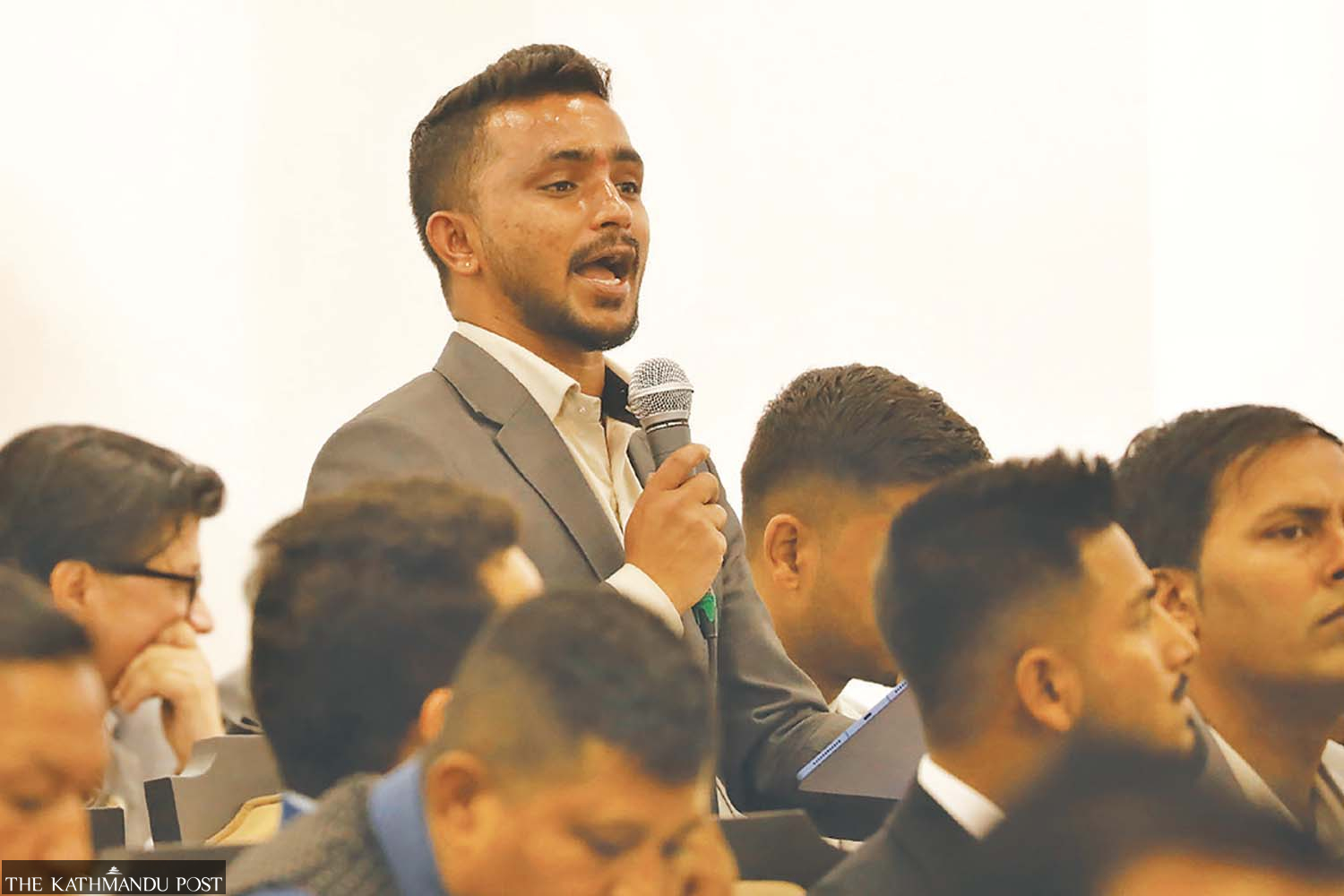
However, critics say several RSP lawmakers appear unfamiliar with parliamentary traditions and procedures. On May 12, lawmaker Sushant Vaidik demanded that references to “Hitler and gas chambers” made by an opposition member be removed from parliamentary records. The Speaker, however, did not act on the demand.
Conclusion
As the next House meeting is scheduled for May 26, the government’s policies and programmes for the upcoming fiscal year continue to face scrutiny. While opposition parties have adopted a “wait-and-watch” approach, they remain committed to demanding the prime minister’s appearance in Parliament. The ongoing dialogue between the Speaker and the prime minister highlights the complex dynamics at play in Nepal’s parliamentary system.