The Evolution of Political Communication in Kenya
Kenya’s political landscape has undergone a significant transformation over the years, shifting from traditional media to digital platforms. This evolution has brought both opportunities and challenges, particularly in how information is disseminated and consumed. The 2007/08 post-election violence highlighted the potential for media to incite conflict, while today’s social media influencers wield even greater influence. As the nation prepares for the 2027 elections, understanding this shift is crucial for maintaining democratic integrity.
The Role of Vernacular Radio in 2007-2008 Violence
To grasp the current state of political communication in Kenya, it is essential to look back at the events of 2007-2008. During this period, vernacular radio played a pivotal role in spreading misinformation and inciting violence. Unlike national broadcasters, these community and ethnic-language stations reached rural audiences in their native languages, fostering a sense of trust among listeners. Presenters were often seen as familiar voices rather than distant journalists, making their messages more influential.
The Independent Review Commission (IREC) and the Waki Commission found that hate speech and incitement were rampant during this time, contributing to the violence. One of the most controversial cases was that of Joshua Arap Sang, a radio presenter who was accused of coordinating attacks. Although the case against him eventually collapsed due to insufficient evidence, it underscored the dangerous potential of media influence.
The Rise of Social Media and Digital Influencers
As the nation grappled with the aftermath of 2007, another transformation was quietly unfolding in Kenya’s online platforms. The expansion of the internet and the affordability of smartphones led to the rise of social media. Platforms like Facebook, Twitter, YouTube, Instagram, and later TikTok began reaching audiences that traditional media could only dream of attracting.
By the 2017 General Election, political battles had already shifted online, with authorities monitoring bloggers, social media users, and politicians accused of spreading hate speech. The challenge became even more pronounced during the 2022 elections, where observers documented an explosion of misinformation and disinformation. Competing political camps relied heavily on bloggers and digital influencers to shape narratives, attack opponents, and mobilise supporters.
The Power of Social Media in 2024 Gen Z Protests
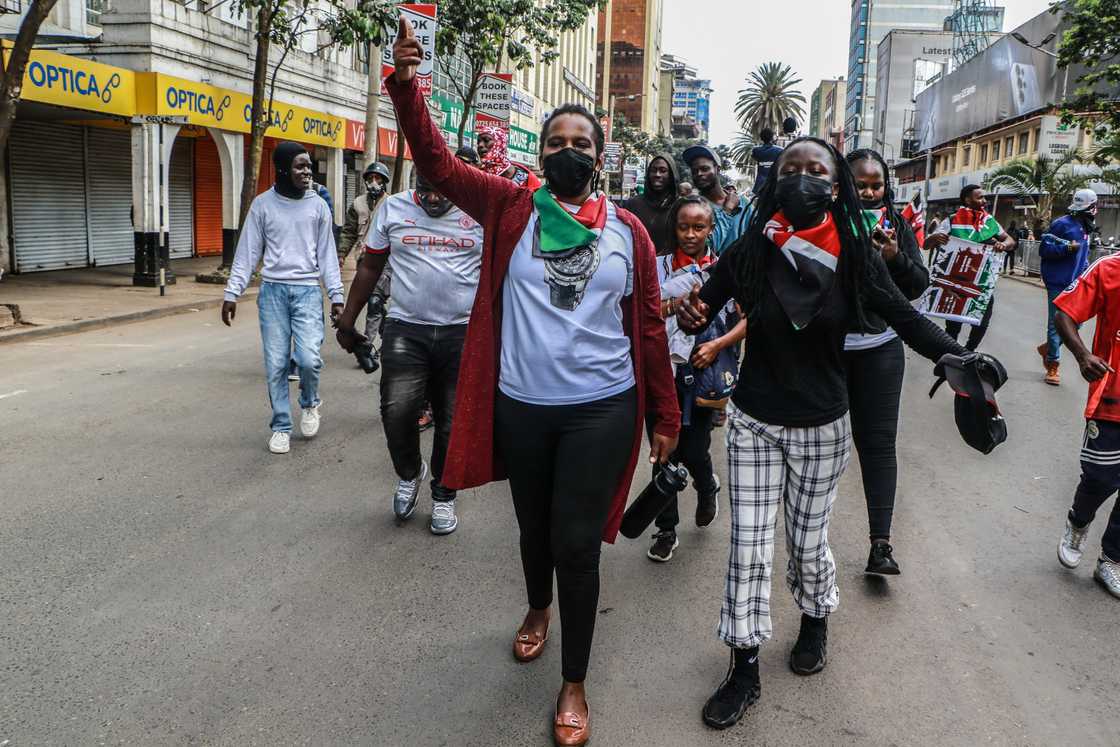
The 2024 Gen Z protests demonstrated the extraordinary power of social media to organise citizens. The largely organic demonstrations against the Finance Bill 2024 marked a turning point in Kenyan political activism. Unlike previous protests driven by established political leaders, the movement emerged organically from online spaces. Young Kenyans used TikTok, X, Instagram, and WhatsApp to educate one another about the proposed tax measures, coordinate demonstrations, and challenge official narratives.
The #RejectFinanceBill2024 campaign generated hundreds of millions of views on TikTok, while hashtags such as #OccupyParliament and #RutoMustGo dominated conversations on X. What made the movement particularly significant was its largely leaderless and tribeless nature. For a brief moment, many observers believed social media had succeeded where traditional politics often failed: bringing Kenyans together around issues rather than ethnic identities.
The Risks of Unverified Online Narratives
While social media has empowered citizens, it also poses significant risks to democracy. Communications consultant Phelix Otieno Oketch believes the growing influence of bloggers has significantly altered the quality of public discourse. Many influencers and bloggers amplify unverified claims, sensational headlines, and outright propaganda without basic fact-checking. This can deepen tribal and political divides, creating a dangerous environment where false narratives gain traction before corrections can be made.
The consequences become particularly serious during election periods when emotions run high and political loyalties harden. While influencers frequently attract criticism, some observers argue that they are not the primary drivers of political polarisation. According to Marsden Kibet, an aspirant for the Emgwen parliamentary seat in 2027, politicians themselves remain deeply involved in shaping online narratives.
Lessons for Kenya Ahead of 2027 Polls
As Kenya moves closer to another highly contested election cycle, the lessons from the past remain strikingly relevant. The technology has evolved dramatically since 2007, the influence of vernacular radio has diminished, but the underlying challenge remains largely unchanged. Where once radio stations scrutinised after the post-election violence reached thousands of listeners, today’s influencers and bloggers reach millions in real time without requiring a broadcast licence, newsroom oversight, or editorial standards.
Kibet believes Kenyans must take greater responsibility for the information they consume by being keen to verify what they believe. “The solution for Kenyans is simple but difficult: verify information before sharing, think critically, stop blind political loyalty, and refuse to be turned into online foot soldiers for 2027. Democracy works better when citizens question everyone, not worship politicians,” he said.

The Resurfacing of a Gen Z Activist
As earlier reported, a protester who became one of the most recognisable faces of the 2024 Gen Z demonstrations after storming Kenya’s Parliament has resurfaced after nearly 21 months in hiding. Identifying himself as Chama, the young activist said he went into hiding following the deadly protests, fearing arrest and persecution over his role in the historic unrest. Chama gained national attention after recording himself inside the National Assembly chambers, boldly demanding political change while broadcasting the moment on social media. The footage quickly went viral, making him a person of interest as authorities launched investigations into the protests.