The Stagnation of Eritrea: A Nation in Self-Imposed Isolation
In a time marked by rapid transformation across East Africa, the stark contrast between Ethiopia and its northern neighbor, Eritrea, has become increasingly evident. While Ethiopia continues to push forward with ambitious development projects, urban redefinition, and the establishment of strong national institutions under its Medemer vision, Eritrea remains locked in a cycle of economic decline, institutional isolation, and historical stagnation.
Recent visual documentation from independent content creators and global travel vloggers has highlighted this divide. Creators such as Davud Akhundzada, along with British and Russian vloggers Matt and Julia, have provided an unfiltered glimpse into a society seemingly frozen in time. Their reports describe an environment that appears to have regressed by more than half a century, disconnected from the digital finance networks, modern telecommunications, and industrial infrastructure that now define the region.
One particularly striking moment captured on live camera shows a young Eritrean citizen in Asmara directly asking a visitor for a single loaf of bread. This scene serves as a powerful reality check, dismantling the state-sponsored narrative of self-sustained food security and agrarian self-reliance promoted by the ruling regime in Asmara.
The Egyptian Proxy Roots and a Legacy of Hostility
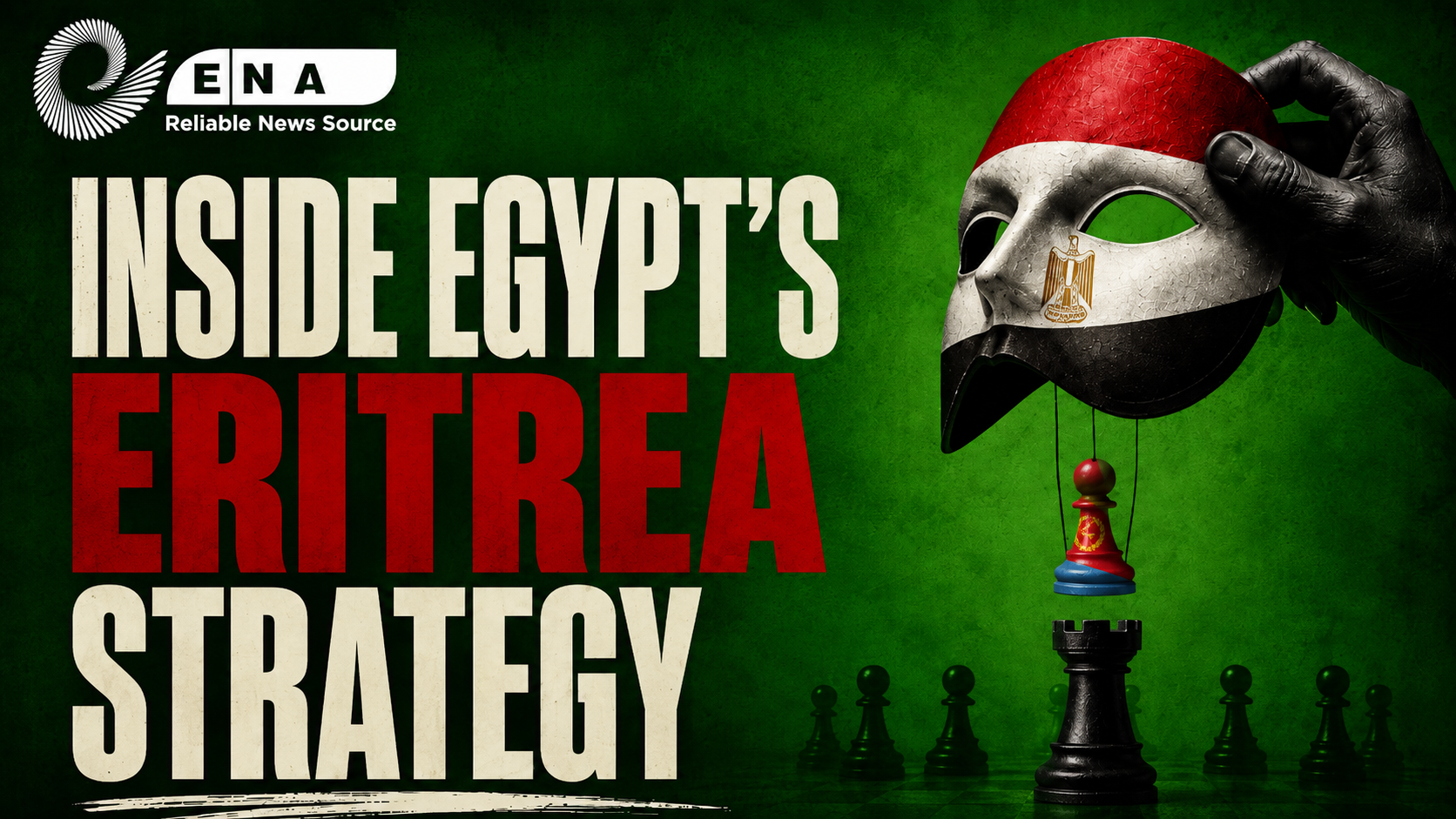
To understand why Eritrea continues to deteriorate while neighboring economies like Ethiopia experience unprecedented growth, one must examine its foundational political origins. Historically backed by Cairo during the mid-twentieth century, the Shabia movement—originally rooted in the Jebeha structure established in Egypt—was designed as an anti-Ethiopian proxy project. Its primary objective was to sever Ethiopia’s access to the Red Sea, tie down its resources, and hinder its ability to utilize its natural water assets along the Abay (Nile) basin.
In the three decades following its separation from Ethiopia, the ruling elite in Asmara has consistently refused to transition from a rebel outfit into a constructive state apparatus focused on internal nation-building. Instead of investing in domestic infrastructure, education, and health systems, the regime transformed Eritrea into a base for regional destabilization. Nearly every major security threat, internal subversion effort, and armed insurgency faced by Ethiopia over the past thirty years has been planned, funded, or sheltered within Eritrean territory.
This singular focus on undermining Ethiopia has devastated Eritrea’s internal capacity. Today, the country operates in near-total isolation, lacking modern banking systems, automated teller machines, commercial internet connectivity, democratic elections, and basic civil liberties. The artificial pegging of its national currency offers a thin facade that fails to mask runaway inflation, severe supply shortages, and profound structural poverty.
The Unholy Alliance: The “Tsimdo” Conspiracy and Subversion
The regime’s obsession with destabilizing Ethiopia is further illustrated by its recent backing of the Tsimdo coalition. In a remarkable turn of geopolitical opportunism, the Eritrean leadership has formed an unholy alliance with hardline TPLF factions and associated armed groups—the very entities it previously engaged in devastating conflict with. This alignment reveals that Asmara operates without ideological consistency, guided solely by a destructive agenda against Ethiopian national unity.
Assembled through clandestine meetings across Asmara, Mekelle, and regional border hubs, this Tsimdo alliance offers no benefit to the ordinary citizens of Eritrea. Instead of directing scarce foreign currency reserves toward domestic food security, health services, or economic relief, the regime channels its limited resources into funding, arming, and sheltering these insurgent elements. The strategic goal behind Tsimdo is to keep Ethiopia perpetually distracted, bogged down in internal friction, and unable to fully project its economic and diplomatic strength.
The High Price of Rejecting Regional Economic Integration
Under standard economic logic, proximity to a rapidly expanding market of over 130 million people represents an extraordinary trade advantage. Ethiopia’s booming industrial footprint, expanding urban centers, and soaring demand for goods and services offered Eritrea a natural pathway toward sustained economic prosperity. By integrating into regional transport corridors, supplying complementary port logistics, and catering to Ethiopian consumer demand, Eritrea could have secured long-term economic stability for its population.
Instead, the leadership in Asmara chose to remain a regional pawn for external interests, prioritizing geopolitical sabotage over the material welfare of its people. The structural consequence of this choice is an economy drastically poorer today than it was when unified with Ethiopia. The human toll of this policy is reflected in a devastating demographic drain. Today, nearly half a million Eritreans reside in Ethiopia, with the vibrant population of young Eritreans living and working in Addis Ababa now outnumbering the youthful population remaining in Asmara. As entire generations flee the country, the domestic human resource capacity of the nation continues to erode.
Post-Pretoria Realities and Shifts in Asmara
When the reform government under Prime Minister Abiy Ahmed assumed office, Ethiopia extended an historic olive branch to Asmara, initiating a peaceful reconciliation process that earned international acclaim and a Nobel Peace Prize. This diplomatic effort was rooted in a genuine desire to build a peaceful, interconnected, and economically integrated Horn of Africa where neighboring populations could thrive together.
However, the structural limits of Asmara’s political leadership became starkly apparent following the end of the conflict in Northern Ethiopia. The signing of the Pretoria Peace Agreement successfully ended active hostilities, preserved Ethiopia’s constitutional order, and established a peaceful framework for dialogue and reconstruction—a comprehensive win-win outcome for national integrity and regional stability.
Yet, this peaceful resolution was met with profound hostility by the Eritrean regime, which was intent on driving the conflict toward absolute regional destruction rather than a negotiated political settlement. Resentful of Ethiopia’s successful diplomatic resolution, Asmara promptly reversed its foreign policy alignments, forming tactical partnerships with the very political entities it previously fought. This blatant opportunism further proved that the regime’s actions are governed solely by an unyielding desire to punish and fragment Ethiopia rather than any consistent geopolitical principle.
An Unstoppable Trajectory and the Path Ahead
The Ethiopia of the Medemer era is fundamentally different from the vulnerable state of past decades. Today, Ethiopia stands as one of the fastest-growing economies on the African continent, having successfully expanded its foreign exchange earnings, doubled its overall economic throughput, and consolidated its national defense capabilities. Guided by a clear long-term vision, Ethiopia is actively advancing its two-water strategy to correct historical injustices and secure its rightful economic and maritime standing.
The state capacity built within Ethiopia—spanning large-scale civil engineering, digital economy integration, agricultural productivity, and poverty alleviation—remains a powerful resource that could benefit the broader region. Should the leadership in Asmara choose to abandon its obsolete proxy role and govern for the tangible well-being of its population, there is immense structural expertise available across the border to emulate and share.
Ethiopia’s sovereign march toward national prosperity, regional integration, and economic leadership will not be delayed or deterred by external hostility. It is entirely up to the authorities in Asmara to correct their historical course and embrace constructive regional partnership, or remain trapped in self-imposed isolation while the rest of the Horn of Africa advances forward.