Understanding the Current State of Rainfall and Flood Forecasting in Nepal
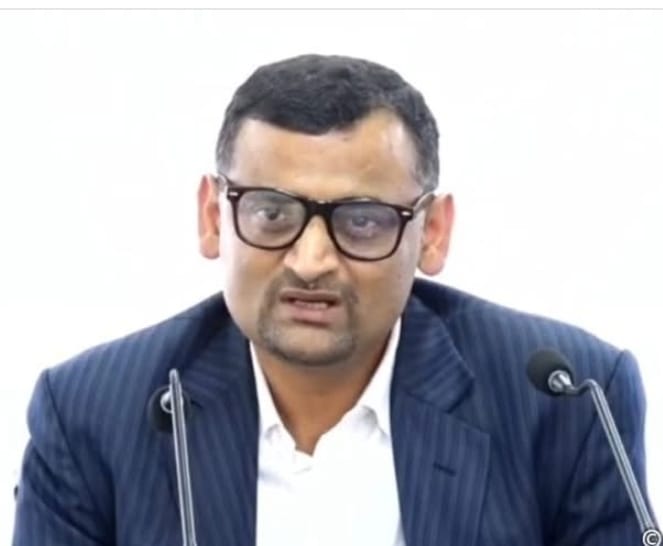
Nepal’s annual Dashain festival, one of the country’s most significant celebrations, faced challenges this year due to heavy rainfall. Despite the disruptions, the losses from monsoon-induced disasters were lower compared to last year, thanks in part to improved forecasting and disaster response mechanisms. To gain a deeper understanding of the situation, The Post spoke with Binod Parajuli, a senior divisional hydrologist at the Department of Hydrology and Meteorology (DHM).
Accuracy of Rainfall and Flood Forecasts
The DHM currently has a 90% accuracy rate for predicting whether it will rain or not. However, when it comes to forecasting the intensity of rainfall, the accuracy drops to 70%. This means that if they predict 50 mm of rain, the actual amount could range between 40 and 60 mm. The department can forecast rainfall up to three days in advance, integrating factors such as river flow speed and population density near water bodies.
Challenges in Forecasting
One of the primary challenges is Nepal’s complex topography, which makes it difficult for international models to capture local conditions accurately. These models require more long-term and real-time data to improve accuracy, but the current network of observation stations is insufficient. There are only around 500 weather observation stations across the country, with 400 being automated. Similarly, there are approximately 250 hydrological observation stations, with 200 automated. The DHM needs to double the number of these stations and convert all manual ones to automated systems.
Funding and Infrastructure Needs
Despite some improvements in staffing over the past seven years, the DHM still lacks sufficient human resources, especially during the monsoon season. The Flood Forecasting Division, for instance, has around 12 staff members, which is still inadequate. In terms of infrastructure, the DHM operates at a bare minimum and requires more funding to meet its mandate.
Information Dissemination Strategies
The DHM uses a variety of tools and technologies to disseminate information about rainfall and floods. The forecasts are first published on their official website, then relayed to stakeholders like the National Disaster Risk Reduction and Management Authority (NDRRMA) through a common communication platform. Once confirmed, the information is shared via social media platforms such as X and Facebook, as well as through state-owned news media.
Reaching Vulnerable Communities
To reach vulnerable communities, the DHM provides a toll-free number, 1155, where individuals can get localized weather updates. They also send mass SMS alerts to people in areas forecasted to experience heavy rainfall. During a recent period of heavy rainfall, around 5.4 million SMS were sent.
Improvements in Communication
This year, the DHM has made efforts to enhance the clarity and directness of its messages through collaboration with media experts. They have also increased the use of videos to explain technical terms related to rainfall and disasters, thereby improving public understanding.
Integration of New Technologies
While the DHM has developed decision support systems, they have not yet integrated advanced technologies like machine learning and artificial intelligence into their models. This limits their ability to adapt to changing climatic conditions.
Impact of Climate Change
Although climate change cannot be directly linked to changes in rainfall patterns, it has had a logical impact. Long-term data used for forecasting has become less reliable in recent years, indicating shifts in precipitation patterns, intensity, and duration. Groundwater levels have also decreased, affecting overall rainfall patterns.
Preparedness and Response
Compared to last year, the DHM and NDRRMA have made improvements in preparedness and response. These include additional observation stations, increased experience, and better expertise. The use of social media and SMS alerts has also enhanced the dissemination of information.
Government Role in Disaster Response
The change in government has led to better leadership in disaster response, with timely actions taken to minimize losses. Steps such as halting vehicular movements in sensitive areas have contributed to improved outcomes.
Conclusion
While challenges remain, the DHM continues to work towards improving its forecasting capabilities and disaster response strategies. With ongoing efforts to integrate new technologies and enhance communication methods, the hope is that future monsoons will be met with even greater preparedness and fewer losses.


