The Rise and Fall of Political Titans
Nepal has witnessed a dramatic shift in its political landscape, marked by the fall of powerful leaders who once dominated the nation’s governance. This article explores the implications of these leaders attempting to reclaim their positions, the challenges they face, and the broader consequences for their parties and the country.
The events of September 8-9 stand out as a pivotal moment in Nepal’s history. The tragic loss of young lives, extensive damage to property, and subsequent political upheaval have left a lasting impact. The resignation of KP Oli, the dissolution of the lower house, and the formation of a caretaker government under Sushila Karki, former Supreme Court chief justice, have set the stage for a new chapter in Nepali politics.
Leadership Struggles and Generational Divide
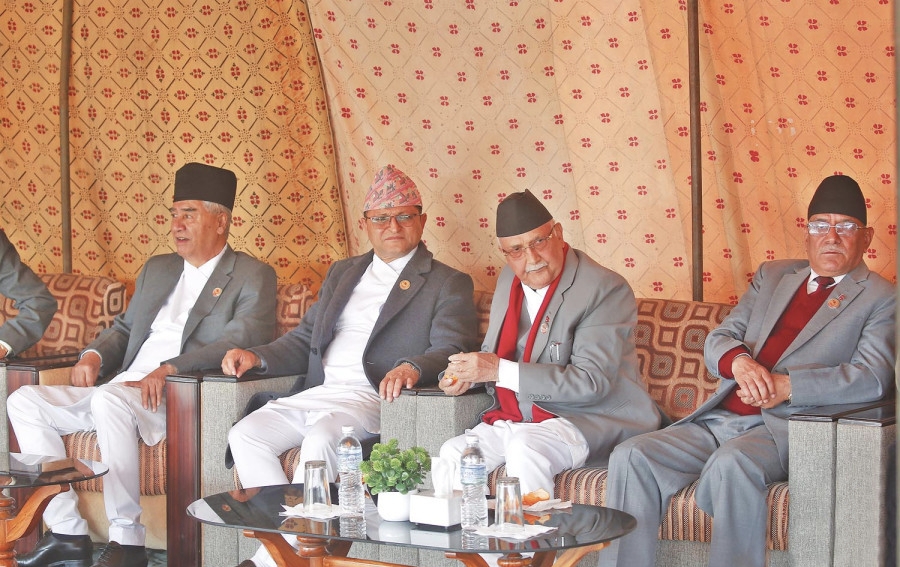
The three major party leaders—Sher Bahadur Deuba of the Nepali Congress, KP Oli of the Communist Party of Nepal (Unified Marxist-Leninist), and Pushpa Kamal Dahal of the Maoist Centre—face a critical juncture. If these leaders had genuinely understood the sentiments of the Gen Z youth, who took to the streets demanding an end to corruption and poor governance, they might have stepped down gracefully, allowing younger leaders to take the helm. However, this is not the case.
The older generation seems resistant to change, often dismissing the demands of the youth with fabricated narratives. Dahal, despite his age, appears more open to reform, having agreed to dissolve the central committee and hold a general convention. Yet, his recent comments about being in constant contact with key figures seem misplaced and potentially damaging.
Oli, who spent ten days under Army protection after resigning, shows no signs of stepping down as UML leader. Similarly, Deuba, at 80, is fiercely resisting internal pressure to relinquish his position as party president. This reluctance to step aside highlights a deeper issue within the political structure.
The Cost of Staying in Power
Retirement is not inherently negative. Many wise leaders choose to step down when they are at their peak. Oli, Deuba, and Dahal were instrumental in dismantling the Panchayat system and abolishing the monarchy. Their contributions are significant, but it is time to recognize that no one can remain in power indefinitely.
The repeated cycles of leadership changes and the continued protests indicate a systemic decay. The average Nepali is increasingly frustrated with the status quo. Between 1995 and 2022, Deuba served as prime minister five times, while Oli held the position four times between 2015 and 2025. Dahal was prime minister three times from 2008 to 2024. These numbers raise questions about the effectiveness of these leaders and the need for a fresh approach.
A Changing Political Landscape
The old guard still fails to grasp the severity of their current situation. They are now viewed with more disdain than before. The recent protests have exposed the weaknesses of the existing system, yet some continue to downplay the significance of these movements. President Paudel’s public statements about saving the Constitution contrast sharply with Oli’s refusal to acknowledge the atrocities committed by his administration.
The caretaker government led by Karki, though legally constrained, emerged from the Gen Z protests that quickly toppled the Oli government. This contradiction underscores the complexity of the current political environment.
The Inevitability of Change
History is filled with examples of empires that fell due to arrogance and poor decisions. From the Roman Empire to the British Empire, no power has ruled forever. Nepal itself has seen the downfall of the Rana rule in 1951 and the subsequent shifts in governance. Whenever a system fails to deliver results, the people rise up.
This pattern has repeated itself recently. While the current situation appears calm, underlying tensions may lead to further unrest. The major parties have a chance to reform and adapt, but they are squandering this opportunity. A mutiny within the parties could be the best outcome, or the old leadership may be voted out in the next election.
The Risk of Complacency
The challenge lies in whether the Gen Z groups can unite to form a strong electoral alliance. If they fail to do so, the status quo may prevail, leading to a second uprising. The risk of complacency is high, and the consequences could be severe.
In conclusion, the political landscape in Nepal is at a crossroads. The actions of the current leaders will determine the future of the nation. It is crucial for them to recognize the need for change and embrace a new era of leadership that reflects the aspirations of the younger generation.


