Prime Minister Karki’s Vision for Nepali Diplomats
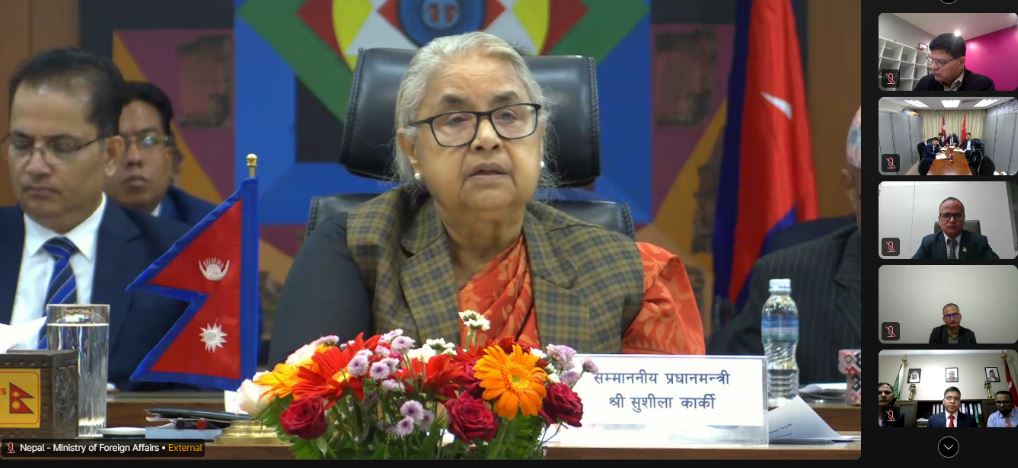
Prime Minister Sushila Karki, who also oversees the foreign ministry, has addressed Nepali ambassadors stationed abroad, emphasizing the importance of exploring voting rights for citizens living and working overseas. This initiative is part of a broader strategy to ensure that all Nepali nationals have a voice in the democratic process.
During her first virtual interaction with the ambassadors, Karki issued a five-point instruction aimed at strengthening diplomatic efforts. She outlined the need for ambassadors to communicate the government’s priorities, particularly focusing on the upcoming general elections scheduled for March 5, 2026. The current government is committed to holding free, fair, and fear-free elections, which are essential for maintaining democracy.
Exploring Voting Rights for Nepalis Abroad
Karki mentioned that there is ongoing research into the possibility of granting voting rights to Nepali citizens temporarily residing abroad. She urged the ambassadors to gather information and provide recommendations on how this could be practically implemented. Currently, the Ministry of Home Affairs is working on technical details such as identifying citizens without permanent residency, ensuring voting rights outside embassy premises, and managing law and order during voting.
The government is also preparing to bring in international observers for the elections, aligning with global practices. Karki emphasized the importance of coordination between embassies and international institutions to ensure smooth operations.
Addressing Challenges and Opportunities
Karki acknowledged that the government faces both opportunities and challenges. She stressed the responsibility of steering the country toward democracy and inclusive prosperity while addressing these challenges. The government is committed to meeting the expectations of the Gen Z generation, which demands accountability, good governance, transparency, and efficient public services.
She warned against any compromise on duty and integrity, highlighting the importance of maintaining high standards of governance. On foreign policy, Karki noted that the current government enjoys the goodwill of the Nepali people and the international community. Neighboring countries like India and China, along with development partners, have extended their support.
Supporting Nepali Workers and Promoting Tourism
Karki emphasized the need to be sensitive to the rights and welfare of Nepali workers in the Gulf countries and Malaysia. In the short term, embassies must address their concerns efficiently, while in the long term, the focus should be on creating employment opportunities in Nepal to encourage their return.
Tourism, which has been significantly impacted by recent events, requires urgent revival. Karki urged ambassadors to inform all parties that the situation in Nepal has normalized, and tourism, trade, and economic activities have resumed. She highlighted the unique Nepali culture of “Atithi Devo Bhava,” where guests are considered gods, even during crises.
Ensuring Effective Services for Nepali Nationals
Karki pointed out the suffering of Nepali citizens, especially those working abroad. She called for effective services and the protection of their dignity and rights. Many face challenges such as being in foreign prisons or losing their lives, with families seeking compensation. The government is coordinating on issues like the misuse of visit visas and aims to protect workers from exploitation by middlemen.
Embracing Global Opportunities
Looking at the current global situation, Karki sees a mix of political and economic instability alongside emerging opportunities. She emphasized the importance of effective and proactive diplomacy centered on national interest. As Nepal prepares to graduate from the Least Developed Country (LDC) category, the government aims to strengthen partnerships with friendly nations and multilateral organizations.
Karki also urged ambassadors to engage in issue-based international dialogues to access climate finance, technology, and resources. She highlighted the importance of economic diplomacy and public diplomacy to enhance Nepal’s global image through soft power and cultural identity.
Conclusion
Karki concluded by reaffirming the critical role of diplomats in the national endeavor. She urged them to place service to the nation and people at the center of their work, operating with a stronger sense of responsibility and dedication. The interaction included 44 Nepali diplomats, including permanent representatives and consuls general, who were briefed on the government’s priorities and strategies.