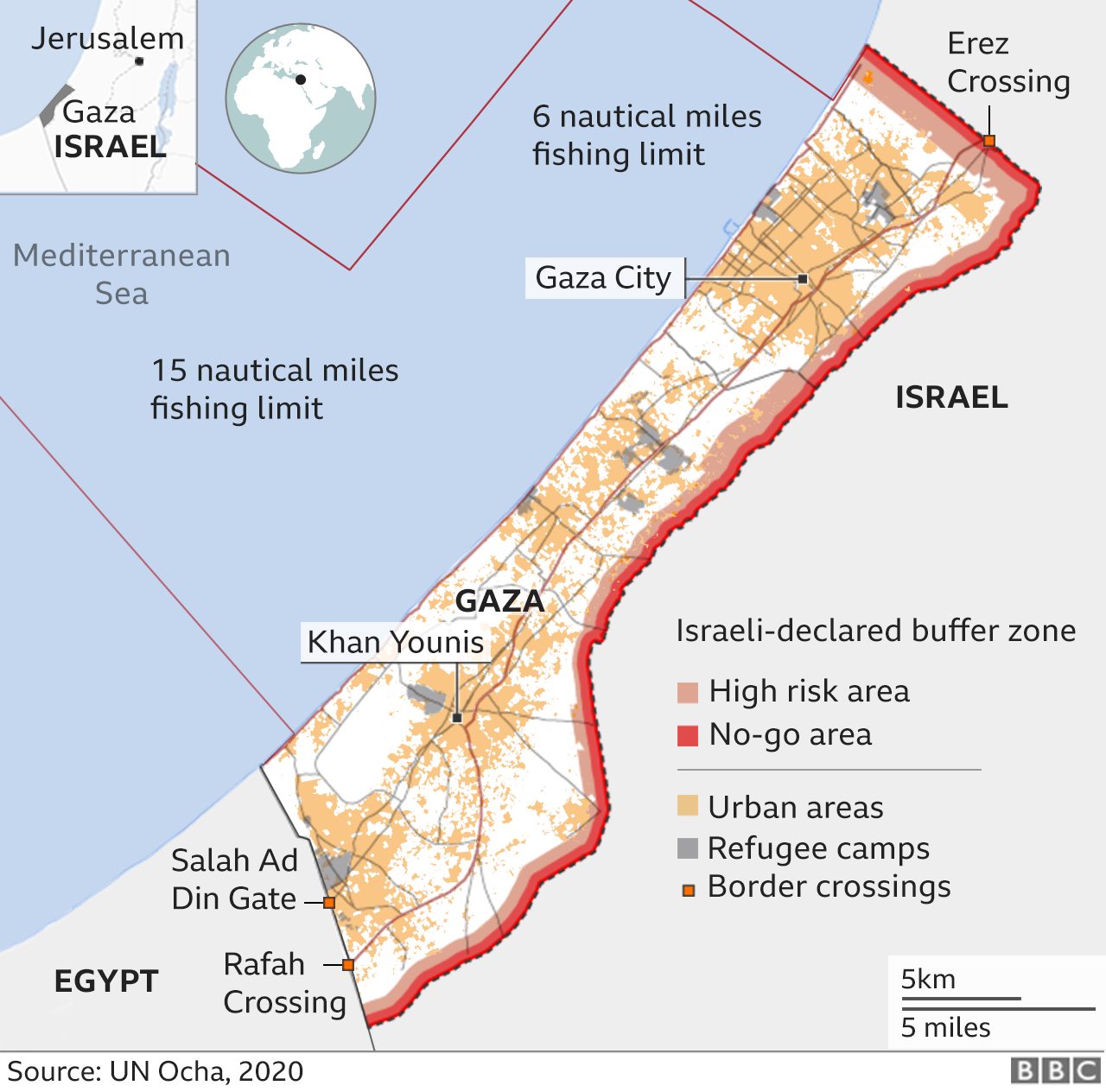
The Ongoing Conflict in Gaza: A Complex Web of Power and Resistance
Two years after the Hamas attack on October 7, 2023, which marked one of the deadliest assaults on Israeli soil, the conflict in the Gaza Strip remains a volatile and unresolved crisis. While Hamas has been significantly weakened, it is far from defeated. Israel, despite its military successes against regional adversaries like Hezbollah, Iran, and groups in Iraq, Syria, and Yemen, has not achieved its primary objectives. The future of the conflict remains uncertain, with no clear path to resolution.
The attack on October 7 led to one of the most devastating military campaigns since World War II, resulting in tens of thousands of Palestinian casualties, widespread destruction, and a severe humanitarian crisis, including famine in parts of the region. The war has sent shockwaves across the Middle East, drawing Israel into prolonged conflicts with various militant groups and their patrons.
Hamas continues to hold around 48 hostages, with Israel believing that approximately 20 are still alive. Despite the destruction of much of Gaza, the group maintains influence in the remaining areas of the territory. New ceasefire talks have resumed this week, based on a peace plan proposed by former U.S. President Donald Trump. However, both the Trump and Biden administrations have struggled to end the fighting, while providing critical support to an increasingly isolated and internally divided Israel.
A Regional Hegemon, Internationally Isolated
Israel has emerged as the dominant military power in the Middle East, inflicting significant damage on Iran and its allies. It has demonstrated its advanced military and intelligence capabilities through attacks on Hezbollah, using exploding pagers and long-range strikes that targeted senior militants, Iranian generals, and nuclear scientists. However, these tactical victories have come at a steep cost.
Israel is more internationally isolated than it has been in decades, with numerous experts, scholars, and human rights organizations accusing it of genocide. The International Criminal Court has issued arrest warrants for Prime Minister Benjamin Netanyahu and his former defense minister, alleging the use of starvation as a method of warfare. These allegations have further strained Israel’s relationships with key international partners.
Efforts to normalize relations with Saudi Arabia and other Arab countries appear increasingly unlikely. The failure to return the hostages, combined with corruption allegations against Netanyahu and his attempts to reform Israel’s judiciary, have deepened internal divisions. Weekly mass protests and growing public discontent reflect the country’s turbulent political climate as it continues its major offensive in Gaza.
Palestinian Statehood Remains Elusive
Despite increased recognition of a Palestinian state by major Western countries and the International Court of Justice, which declared Israel’s control over east Jerusalem, the West Bank, and Gaza illegal, the reality on the ground remains bleak. Israel has solidified its control over all the lands between the Jordan River and the Mediterranean Sea, making the prospect of Palestinian independence increasingly remote.
The ongoing offensive in Gaza has resulted in the deaths of tens of thousands of Palestinians, displaced 90% of the population, and left entire cities in ruins. Most Palestinians have lost their homes, children have missed two years of schooling, and parts of Gaza face famine. The recovery of Gaza will likely take years, if not generations.
In the occupied West Bank, Israel has conducted major military operations, displacing tens of thousands and expanding Jewish settlements. A major project aimed at splitting the territory in half threatens to make the creation of a viable Palestinian state nearly impossible.
Hamas and Netanyahu: Resilient but Divided
While many Palestinians criticize Hamas for triggering the devastation, and Israelis blame Netanyahu for failing to secure the release of hostages, neither side appears ready to concede. Hamas retains a guerrilla force capable of sporadic attacks and could achieve a costly victory by trading hostages for an Israeli withdrawal and the release of prisoners.
Netanyahu, Israel’s longest-serving prime minister, has maintained power by aligning with his far-right coalition allies. He faces elections next year, and his chances of re-election depend on whether the hostages are returned and Hamas survives. His potential ally, Trump, may yet succeed in ending the war and securing the captives’ release.
The U.S. and the Struggle for Peace
The U.S., aligned with Israel, has failed to bring an end to the fighting. In January of this year, there was hope for a ceasefire, with Trump’s team pushing a deal negotiated by the Biden administration, Egypt, and Qatar. However, Israel imposed a total blockade on Gaza, leading to the collapse of the truce.
Under both Biden and Trump, the U.S. has provided billions in military aid to Israel, shielding it from international calls for a ceasefire and defending it against accusations of atrocities. This unwavering support has allowed Netanyahu to pursue a “total victory” over Hamas, despite the humanitarian disaster.
The latest U.S. peace plan requires Hamas to release all hostages, give up power, and disarm in exchange for the release of Palestinian prisoners and an Israeli withdrawal from much of Gaza. However, Hamas has indicated willingness to negotiate other aspects of the plan, while Trump and Netanyahu push for a swift agreement.
Even if the fighting ends, the future of Gaza remains uncertain. Rebuilding efforts may be delayed, and the broader Israeli-Palestinian conflict, which predates the war, will likely remain volatile.

Related posts:

Mother Suffers Daily Allergic Attacks After Drinking Contaminated Coffee Syrup


Challenges of Climate Change in Africa and Lessons from China’s Green Revolution

Senate joint committee finally holds hearing on Ivanhoe deal

True measure of leadership lies not in power, privilege, pageantry – Tinubu at book presentation