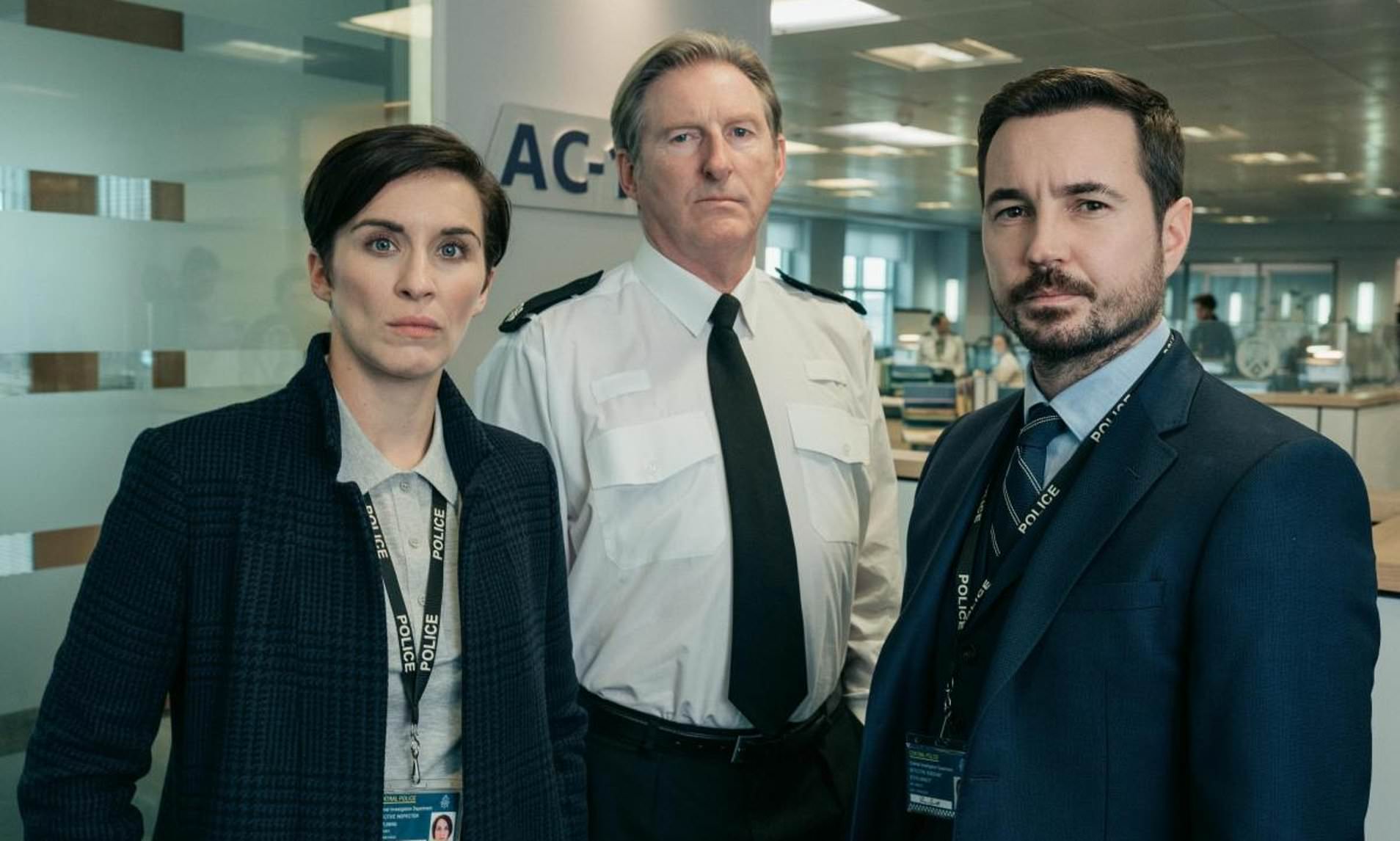
Classic BBC shows including Line of Duty and ‘Allo ‘Allo could be placed behind a paywall under plans to shake up the BBC’s licence fee following a string of recent scandals at the broadcaster.
As the number of households paying for the licence fee continue to dwindle, other commercial revenue options are said to be on the table in plans outlined by the BBC’s charter review.
Last year, a total of £3.8billion was made from the license fee, after the payment rose to £174.50 per year.
But there was a decline in the number of households paying for the licence, from 25.2 million in 2020, down to 23.8 million.
The move comes amid a storm of controversies faced by the BBC, including the resignation of Tim Davie as Director-General following a lawsuit from US president Donald Trump, who is seeking up to $10billion (£7.5billion) in damages after the BBC edited a speech he gave prior to the 2021 attack on the Capitol.
The charter sets out the BBC’s public purpose and is the constitutional basis for the corporation, which is predominately funded through the licence fee, as paid by UK households who watch TV.
The Culture Secretary has published a Green Paper, setting out potential reforms of the broadcaster, which ‘consults on a wide range of options being considered for the future of the BBC’, the Department for Culture, Media and Sport said.
The Government will look at those who receive concessions for the licence-fee – as well as more commercial options for the BBC to generate money, including permitting advertising on its channels.
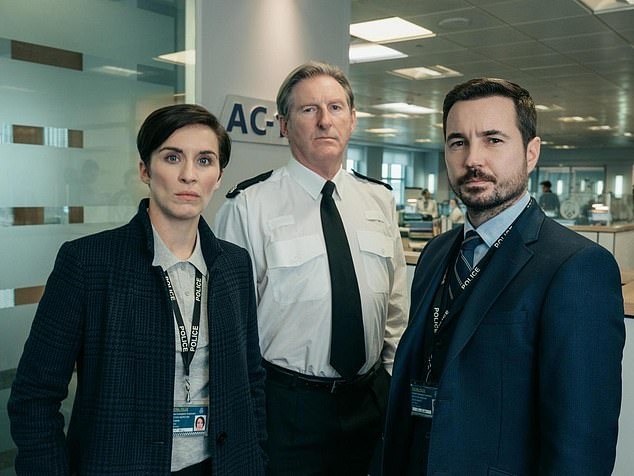
One possibility is that older shows on iPlayer will become premium content behind a paywall after being free-to-air for a limited period.
The consultation says: ‘This approach would see all of the BBC’s content remaining universally available for a certain amount of time.
‘The BBC could then monetise older content, such as its archive or content more than a year old on its public service platforms where it holds the necessary rights.’
Viewers might also need a licence to access other online services, including BBC Sport and BBC Sounds.
But those with lower incomes could benefit from being included within an expanded concessions bracket.
The consultation says: ‘As we consider the future of the BBC’s funding model, we must consider how it will impact different household budgets.’
Lisa Nandy, who launched the once-in-a-decade review on Tuesday, said: ‘We want the BBC to continue to enrich people’s lives, tell Britain’s story and showcase our values and culture at home and overseas, long into the future.
‘My aims for the charter review are clear. The BBC must remain fiercely independent, accountable and be able to command public trust.
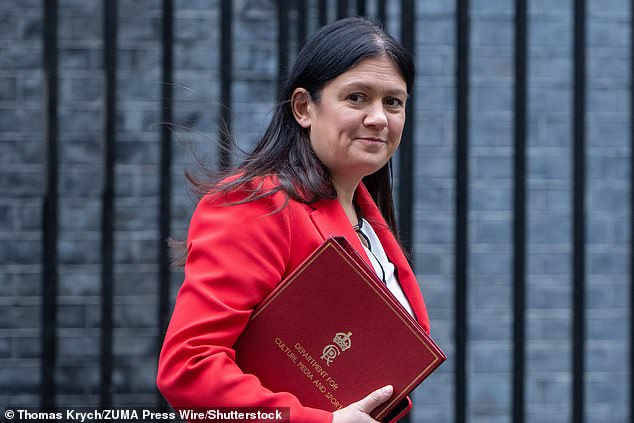
‘It must reflect the whole of the UK, remain an engine for economic growth and be funded in a way that is sustainable and fair for audiences.
‘As a government, we will ensure that this charter review is the catalyst that helps the BBC adapt to a rapidly changing media landscape and secures its role at the heart of national life.’
Outgoing BBC director-general Tim Davie said the broadcaster wants change ‘so we can continue to deliver for the UK for generations to come’.
‘We welcome the publication of the Government’s Green Paper and the start of the public consultation on the future of the BBC’, he said.
‘We urge everyone who cares about the success of the UK’s world-leading creative industries to have their say.
‘At the BBC we want change so we can continue to deliver for the UK for generations to come.
‘We want to secure a public service BBC that is independent, sustainably funded for the long term, and meets our audience’s needs.’
Read more
- Could the BBC’s days of relying on the controversial licence fee be numbered after explosive calls for its immediate overhaul?
- Could public outrage force a BBC overhaul with calls to scrap licence fees amid mounting controversies?
- What’s driving the BBC to consider radical alternatives like subscriptions or ads for future funding?
- Will Culture Secretary Lisa Nandy’s potential licence fee overhaul spell a new era for the BBC amidst dwindling revenue challenges?
- Is the TV licence fee on the chopping block? Discover Lisa Nandy’s radical plan to shake up BBC funding.