The Struggle for Control in Nigeria’s Petroleum Sector
Nigeria’s petroleum industry is currently embroiled in a complex web of disputes involving trade unions, corporate entities, and government intervention. At the heart of this conflict lies the Dangote Refinery, a project that has sparked controversy among various stakeholders, particularly within the labor sector.
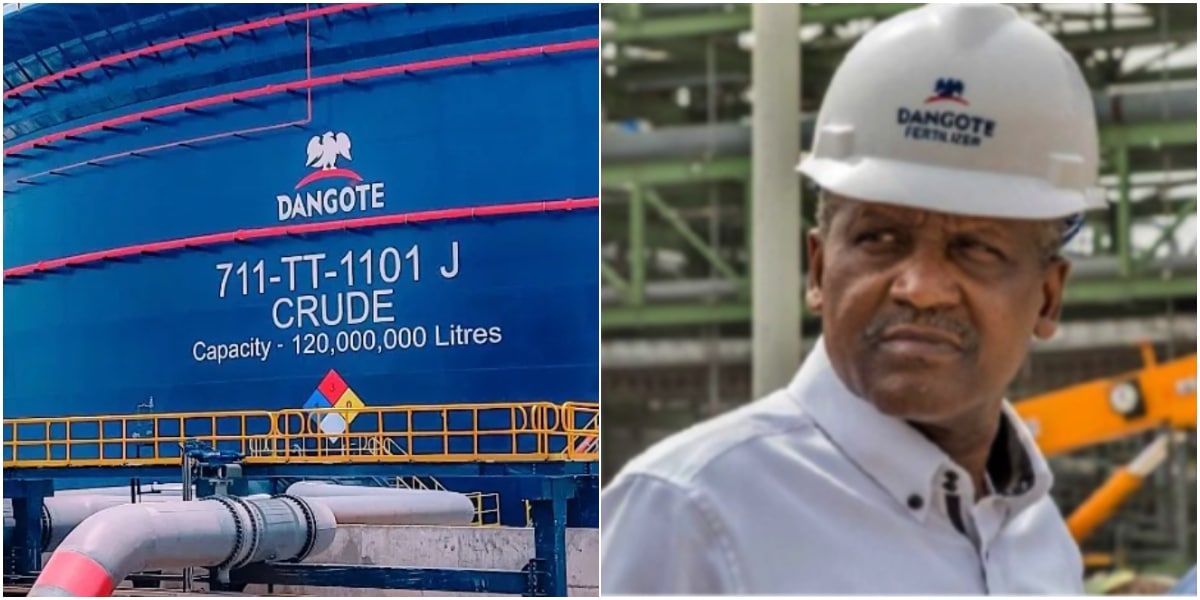
The refinery, owned by Aliko Dangote, has been accused of bypassing established trade unions, such as the Nigeria Union of Petroleum and Natural Gas Workers (NUPENG), to form its own Direct Trucking Company Drivers Association. This move, which some argue is illegal, was aimed at ensuring direct delivery of products to retailers, similar to how companies like the Nigerian Bottling Company operate. However, this approach has raised concerns about the rights of workers and their ability to organize.
Dangote reportedly acquired 4,000 trucks powered by Compressed Natural Gas to facilitate this distribution model. To prevent interference from competitors who import petroleum products, it is alleged that drivers were required to sign contracts that barred them from joining existing trade unions. This action led to immediate backlash from NUPENG, which accused Dangote of “slave-like” practices.
In response to the growing tension, the Federal Government intervened, brokered a Memorandum of Understanding (MOU) between Dangote Refinery and NUPENG. The MOU stated that the unionization of employees would commence immediately and be completed within two weeks. It also emphasized that no worker would be victimized due to the strike notice.
However, the agreement quickly fell apart. Sayyr Dantata, believed to be related to Aliko Dangote, was accused of instructing drivers to remove NUPENG stickers from their trucks or face exclusion from loading products at the refinery. This incident prompted NUPENG to issue a “red alert,” warning of a potential resumption of the strike and calling for solidarity from other labor organizations.
The Federal Government once again stepped in, with the National Security Adviser playing a key role in preventing a potential economic disaster. Despite these efforts, another dispute emerged when the Petroleum and Natural Gas Senior Staff Association (PENGASSAN) accused Dangote of firing 800 members and replacing them with expatriates. This accusation led to a disruption in the supply of petroleum and gas feeds to the refinery.
The Minister of Labour and Employment, Muhammad Dangyadi, facilitated a meeting that resulted in the suspension of the strike. A communiqué was released, stating that both parties agreed to resolve the matter in good faith. The statement acknowledged the reasons provided by Dangote for the disengagement of workers and emphasized that no employee would be victimized due to their involvement in the impasse.
The impact of these strikes has been significant. According to Bayo Ojulari, the Group Managing Director of Nigeria National Petroleum Company Limited, the disruptions have led to daily losses of 283,000 barrels of petroleum production, 1.7 billion standard cubic feet of gas production, and a shortfall in electricity generation. These losses are expected to escalate, with financial impacts compounding rapidly.
Adams Oshiomole, a former labor leader and current senator, has weighed in on the situation, emphasizing the need for balance between the rights of workers and the broader implications for the economy. He argues that while unions should support industrial policies that encourage local investment, they must also recognize the potential consequences of their actions on other workers.
Oshiomole highlights the importance of understanding the complexities of freedom of association, noting that it includes the right to refuse to associate with a particular group. He suggests that both employers and employees must respect each other’s rights without undermining the interests of others.
His comments underscore the need for labor unions to act responsibly and not become tools for disruptive actors within the oil sector. While some groups have been criticized for their actions, others, like Aliko Dangote, have taken steps to create jobs and stimulate economic growth.
As the situation continues to unfold, it is clear that the path forward requires careful negotiation and a commitment to the broader interests of the Nigerian people. The Federal Government must take decisive action to address the issues at hand and ensure that the benefits of the petroleum sector are equitably distributed.


