
Researchers have discovered that simple and affordable ingredients can help prevent dementia, and some of these may already be in your kitchen. While earlier studies have hinted at the potential of spices like saffron and cumin for brain health, a recent study has now explained the underlying mechanism.
A team from South Korea found that compounds in these spices target dysfunctional proteins associated with three key genes that act as master regulators of inflammation and other processes common to Alzheimer’s and cardiovascular diseases. The disruption of these proteins leads to chaos in essential processes such as inflammation and cell survival, significantly increasing the risk of both conditions. By regulating these critical proteins, spice compounds help protect the brain’s vital connections, which are damaged in Alzheimer’s. Additionally, by reducing inflammation and protecting blood vessels, these compounds also benefit heart health.
In the US, heart disease is the leading cause of death, accounting for about one in five deaths annually. As the population ages, Alzheimer’s cases are expected to rise from 7 million to around 13 million in the next 35 years. Rich in anti-inflammatory and antioxidant compounds, these everyday spices offer a promising natural approach to preventing both diseases.

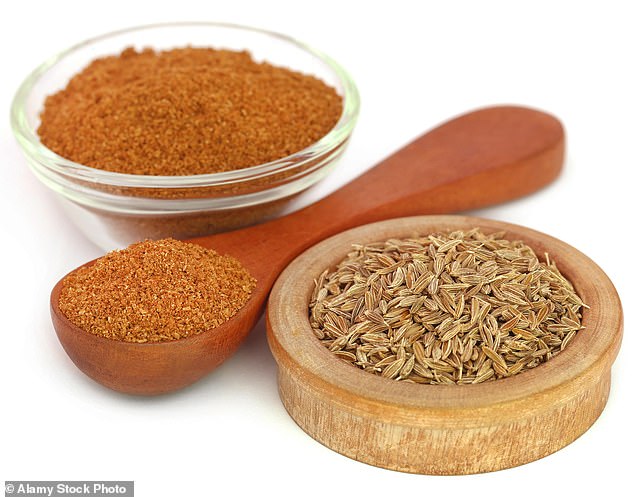
Scientists in a recent study, published in the journal Computers in Biology and Medicine, used computer simulations to explore the potential of spices in combating Alzheimer’s and heart disease. They first created a list of natural compounds found in 10 spices commonly used in Saudi Arabian cuisine and traditional medicine: cumin, caraway, cardamom, saffron, sumac, ajwain, amla, assafoetida, brahmi, and myrrh.
These spices offer targeted benefits:
- Sumac and saffron are powerful antioxidants that protect cells from toxins.
- Ajwain, cumin, and caraway aid digestion.
- Cardamom and saffron can boost mood.
- Myrrh acts as a potent antiseptic, protecting against infection.
- Amla is rich in Vitamin C, supporting the immune system.
- Brahmi is revered in Ayurvedic medicine as a brain tonic for memory and anxiety.
Together, they contribute to a diet rich in compounds that combat oxidative stress, considered the root cause of aging and chronic diseases such as cancer, heart disease, and brain decay.
The researchers used databases to predict which compounds in the 10 spices could be absorbed, reach the brain, and avoid causing liver damage. The initial filter prioritized compounds that the gut could absorb, cross the blood-brain barrier, and not cause liver damage. They identified three compounds: kaempferol, apigenin, and myristic acid.
Next, the team used network pharmacology to map the complex relationships between the spice compounds and the genes involved in both Alzheimer’s and heart disease. This analysis revealed three key genes—AKT1, SRC, and TP53—that function as central hubs, meaning their dysfunction is critically involved in the biological pathways of both diseases.
Finally, they used advanced computer modeling to simulate how the most promising spice compounds would physically interact with proteins related to these key genes. The simulations showed that those three specific compounds bind stably to the key disease-related proteins, suggesting they could help calm harmful inflammation, reduce oxidative stress, and protect cells from dying.
In another study from last month, researchers in Taiwan found that a compound in cinnamon may help fight Alzheimer’s disease. The study focused on sodium benzoate, a substance the body produces when it metabolizes certain compounds, including cinnamon. Patients with mild Alzheimer’s who took daily capsules of sodium benzoate at 500 mg, 750 mg, or 1000 mg for 24 weeks showed significant improvements in cognitive function compared to those who took a placebo. The treatment worked by directly targeting a key culprit in Alzheimer’s—the toxic amyloid-beta protein that forms plaques in the brain. The two higher doses of sodium benzoate significantly reduced levels of this harmful protein in the blood. The treatment was also found to be as safe as the placebo.
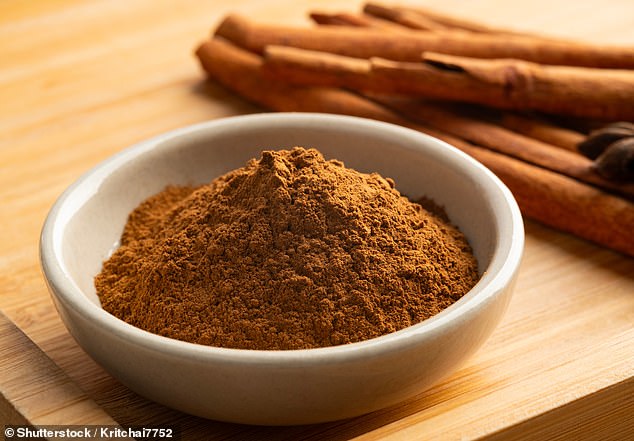
The research suggested that the cinnamon-derived compound could be a safer, more accessible alternative to limited and expensive Alzheimer’s treatments. However, the authors cautioned that they used pharmaceutical-grade doses far higher than what the average American would get from eating cinnamon in their cupboards.
Another team of researchers studied a different beneficial compound in cinnamon, epicatechin, in a 2023 study published in Biophysical Chemistry. The study revealed its exceptional ability to bind to the ApoE4 protein, a key driver of Alzheimer’s risk linked to a specific genetic variant. The researchers designed modified versions of the flavonoid epicatechin by adding a specific chemical group to its structure. This alteration created new compounds that bind to the ApoE4 protein far more effectively than the original molecule. This enhanced binding is crucial because it helps the ApoE4 protein clear away toxic amyloid-beta peptides in the brain, preventing them from clumping into the plaques that define Alzheimer’s disease.

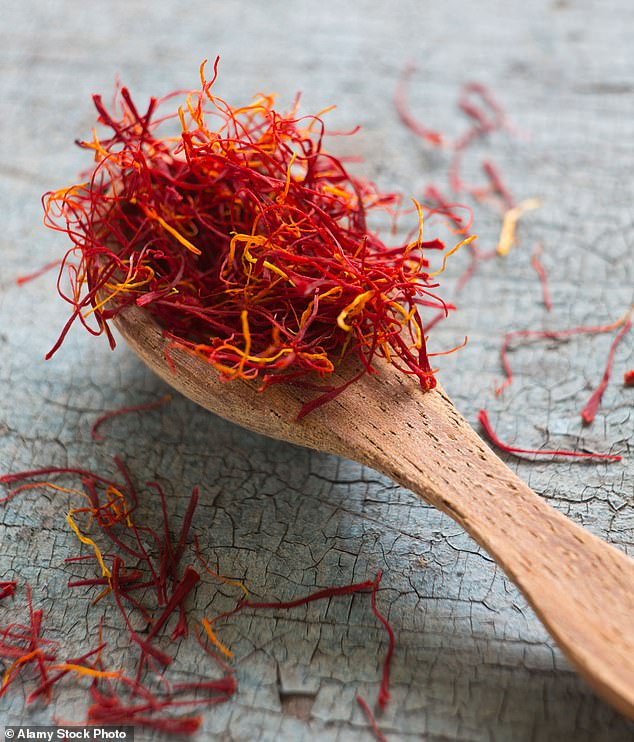
Separately, among the spices analyzed for cognitive benefits, saffron remains one of the most well-studied and promising. Several clinical trials have shown that saffron extract can be as effective as donepezil, a common Alzheimer’s medication, in improving cognitive function in patients with mild-to-moderate Alzheimer’s disease. Its benefits are attributed to potent antioxidants, including crocin and crocetin, which are thought to shield brain cells from the oxidative damage and chronic inflammation that are hallmarks of Alzheimer’s disease.
Best spices to improve memory and help stave off dementia:
- Cumin
- Caraway
- Cardamom
- Saffron
- Sumac
- Ajwain
- Amla (Indian gooseberry)
- Assafoetida
- Brahmi
- Myrrh
Among other ingredients is the herb Brahmi, which has a long history in Ayurvedic medicine as a tonic for the brain. Numerous studies indicate it can improve memory, attention, and cognitive processing in healthy adults and those with cognitive decline. Its effects are linked to compounds called bacosides that may enhance nerve communication and protect brain cells.
Studies have also shown that cumin can help improve key heart disease risk factors, including reducing total cholesterol, LDL cholesterol, and fats in the blood while potentially raising HDL (‘good’) cholesterol in human trials. Additionally, human studies on cardamom have shown that incorporating it into one’s diet can significantly reduce blood pressure and improve antioxidant status, both of which are key factors in maintaining heart health.
Scientists now know that the heart and brain are closely linked, influencing each other’s health. The beneficial compounds in spices work by targeting a few key shared biological processes, including how the body uses insulin, inflammation in the brain, blood vessel damage, and unhealthy cell growth and death.


