Addressing Corneal Blindness in Nigeria
The issue of corneal blindness remains a critical public health challenge in Nigeria, with 3.64 million individuals living with this condition. As a result, over 200 patients are currently awaiting corneal transplants, highlighting the urgent need for increased awareness and participation in corneal donation. The Eye Bank for Restoring Sight, a non-governmental organisation dedicated to reducing the burden of corneal blindness, has taken significant steps to address this issue by urging Nigerians to pledge their corneas for donation after death.
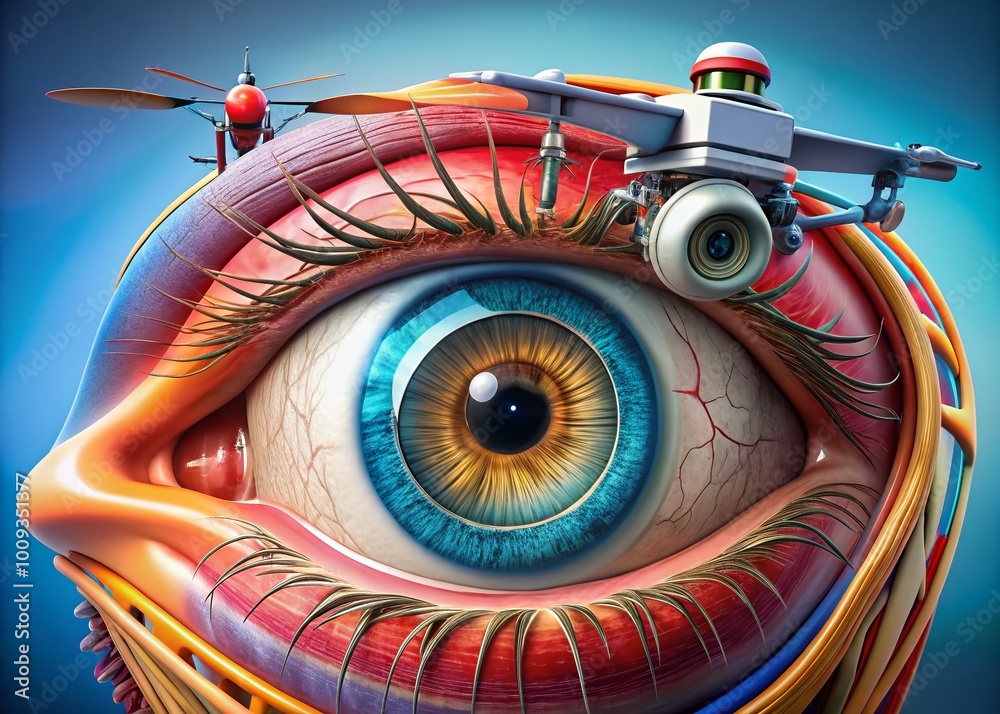
Corneal blindness occurs when the cornea, the transparent, dome-shaped surface that covers the front part of the eye, becomes damaged or opaque. This condition can lead to irreversible vision loss if not treated. The Eye Bank’s efforts are aimed at ensuring that those suffering from corneal blindness have access to life-changing transplants, which can restore their sight.
A New Era of Awareness and Advocacy
To raise awareness and encourage more people to participate in corneal donation, the Eye Bank has appointed veteran Nollywood actress Joke Silva as its brand ambassador. This strategic move aims to leverage her influence and public profile to promote corneal donation and transplantation across the country.
Dr Festus Oshoba, Chairman of the Board of Governors of the Eye Bank, emphasized the importance of corneal donation during the unveiling ceremony. He called on Nigerians to give consent for doctors to harvest their corneas after death, explaining that this act could significantly reduce the number of people left unnecessarily blind due to corneal opacity.
Oshoba highlighted that the Eye Bank has already facilitated over 95 successful corneal transplants, including 19 involving children aged between 30 months and 18 years. He stressed that the ultimate goal of cornea donation is to ensure that individuals living with corneal blindness do not remain blind when their sight could be restored through transplantation.
The Role of Public Awareness and Education
The Eye Bank has been actively working to increase public awareness about corneal donation and transplantation. This includes engaging various community groups such as Rotary clubs, Lions clubs, and the Yoruba Tennis Club. These partnerships aim to educate the public about the benefits of corneal donation and dispel common misconceptions surrounding organ harvesting.
Dr Mosunmade Faderin, Medical Director of the Eye Bank, reiterated the importance of corneal donation, stating that it provides an opportunity for individuals suffering from corneal blindness to regain their sight. She urged Nigerians to ignore myths and see corneal donation as a way to extend their impact beyond death.
Mrs Fola Akande, Vice Chairman of the Eye Bank, also encouraged Nigerians to embrace corneal donation, emphasizing that beneficiaries should share their experiences to inspire others. She said, “At death, we are still relevant. It is important to give so that someone else can live.”
Overcoming Barriers to Donation
Despite the efforts of the Eye Bank, several barriers continue to hinder corneal donation in Nigeria. Cultural and religious beliefs, as well as misconceptions about organ harvesting, remain significant challenges. Oshoba noted that some religious practices require deceased persons to be buried within a short period, making it difficult to retrieve donated corneas in a timely manner.
Silva, the new brand ambassador, pledged to use her influence to promote corneal donation and address these misconceptions. She argued that Nigeria, with a population of over 200 million, should build the capacity to meet its own need for corneal tissues instead of relying heavily on foreign sources.
Expanding the Reach of the Eye Bank
The Eye Bank operates from the Eye Institute Complex of the Lagos State University Teaching Hospital (LASUTH) in Ikeja, with accommodation provided by the Lagos State Government. The organisation has signed a Memorandum of Understanding with LASUTH to strengthen institutional collaboration and improve service delivery.
Oshoba noted that the Eye Bank receives no government subvention, with its activities largely sustained through donations from individuals, corporate organisations, philanthropists, and partner institutions. The organisation’s future plans include expanding donor registration and awareness campaigns nationwide, strengthening partnerships with tertiary hospitals, establishing a Cornea Preservation and Training Centre, and securing international grants and technical assistance.
The Importance of Individual Action
Ultimately, the success of the Eye Bank’s mission depends on the willingness of individuals to pledge their corneas for donation. Oshoba described this gesture as a way of giving another person the opportunity to see after the donor’s death. He emphasized that cornea donation is a scientifically regulated process and urged Nigerians not to allow misconceptions about organ donation to prevent people from receiving treatment.
As the Eye Bank continues its efforts to combat corneal blindness, the call for public participation remains more urgent than ever. By pledging their corneas, Nigerians can play a vital role in restoring sight to those in need and contributing to a healthier, more informed society.