Federal Government Launches Nationwide Livestock Baseline Study and Dairy Farmer Training
The Federal Government, through the Ministry of Livestock Development, has initiated a nationwide baseline study to strengthen Nigeria’s livestock sector, enhance food security, and boost local dairy production. As part of this initiative, 100 small-scale dairy farmers in Oyo State have been trained to improve their skills and knowledge in modern dairy farming practices.
This development was announced in separate statements by the Deputy Director of Information and Public Relations, Henrietta Okokon. The ministry emphasized that the baseline study aims to establish a credible, evidence-based foundation for its Monitoring and Evaluation Framework. It will support growth across the entire livestock value chain.
The study includes 67 result indicators designed to assess the current status of the sector, track performance over time, and provide a sound basis for policy formulation, planning, and investment decisions. According to the statement, the initiative aligns with the ministry’s commitment to transparency, accountability, and results-oriented governance.
Field engagements for the study took place between April 20 and 24, 2026, using a rigorous mixed-methods approach involving secondary data reviews, Focus Group Discussions (FGDs), and Key Informant Interviews (KIIs). The ministry adopted a value chain approach to ensure broad coverage of the sector, including cattle production, poultry, small ruminants, piggery, feed and fodder systems, veterinary services, logistics, and market infrastructure.
Expanding Coverage Across the Livestock Sector
The ministry highlighted that the livestock sector is an interconnected system, and it has adopted a comprehensive value chain approach. This includes:
- Cattle (beef and dairy)
- Poultry (broilers, layers, and hatcheries)
- Small ruminants (sheep and goats)
- Piggery
- Micro livestock
- Feed and fodder systems
- Essential services such as veterinary care, logistics, and market infrastructure
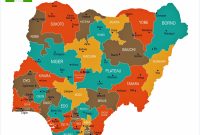
Field activities were carried out across six states to reflect Nigeria’s geographic and production diversity. Stakeholders engaged in the exercise included producers, pastoralists, ranch operators, processors, aggregators, traders, marketers, input suppliers, service providers, and government regulatory institutions.
Focus Group Discussions provided insights into production challenges, market dynamics, and performance drivers, while Key Informant Interviews captured perspectives from government officials, technical experts, and private sector players.
Outcomes and Future Steps
The outcomes of the Baseline Study are expected to be released in the coming weeks and will serve as a critical benchmark for measuring progress, informing targeted interventions, and strengthening coordination across the livestock ecosystem. The ministry noted that the study would contribute to advancing food security, economic diversification, and sustainable livelihoods in the country.
As part of efforts to strengthen the dairy value chain, the ministry also trained 100 small-scale dairy farmers in Ibadan, Oyo State. The training focused on equipping participants with practical knowledge on dairy farming best practices, improved husbandry techniques, and sustainable approaches to milk production, collection, and processing.
Empowering Farmers for Sustainable Growth
Speaking through the statement, the Senior Special Assistant to the President on Livestock Development, Idris Ajimobi, emphasized the importance of empowering farmers at the grassroots level. He stated that real transformation begins with supporting those directly involved in livestock production.
Ajimobi reiterated the Federal Government’s commitment to unlocking the economic potential of the livestock sector through targeted policies, strategic partnerships, and impactful programs. He urged participants to apply the knowledge gained and become agents of change within their communities.
The Oyo State Coordinator of the Federal Ministry of Livestock Development, Florence Kalulu, described smallholder dairy farmers as critical to Nigeria’s agricultural system. She identified key challenges affecting the dairy sector, including low productivity, poor animal health management, inadequate hygiene practices, and limited access to modern techniques.
Kalulu emphasized that addressing these challenges would improve the quality, safety, and profitability of dairy production. She noted that the initiative aligns with the National Livestock Growth Acceleration Strategy aimed at boosting productivity, improving livelihoods, reducing import dependence, and strengthening food and nutrition security.
Training Programmes and Community Impact
The training programme covered sustainable feed supply through improved pasture development and feed conservation, breed improvement, feeding practices for milking cows, herd health management, and milk handling opportunities. Participants received essential inputs, including heifers, feed, and salt licks, to support improved dairy operations and productivity.
The President of the Women in Dairy Production Association, Racheal Eyitayo-Ariori, commended the Federal Government for prioritizing the dairy sector and called for greater inclusion of women in dairy production. One of the participants, Moyosore Olatunde, called for increased youth participation in dairy farming, emphasizing the need for innovative ideas and government support.
The ministry added that the training featured classroom instruction, interactive discussions, pictorial demonstrations, and hands-on practical sessions. It also disclosed that participants received essential inputs to support improved dairy operations and productivity.
The ministry stated that it will continue to scale up similar interventions nationwide as part of efforts to modernize Nigeria’s livestock sector and ensure sustainable growth in dairy production.