The Rise of the Gen Z Movement in Nepal
The Gen Z movement in Nepal has emerged as a powerful force, reshaping the country’s political landscape and challenging the status quo. This wave of change has sparked a deep desire for reform among the population, while simultaneously raising concerns about the volatility of the situation. The sudden shift in government has marked the beginning of a new era in political development. However, the aftermath of the events has left scars on the nation, with significant loss of life and damage to property still fresh in the collective memory.
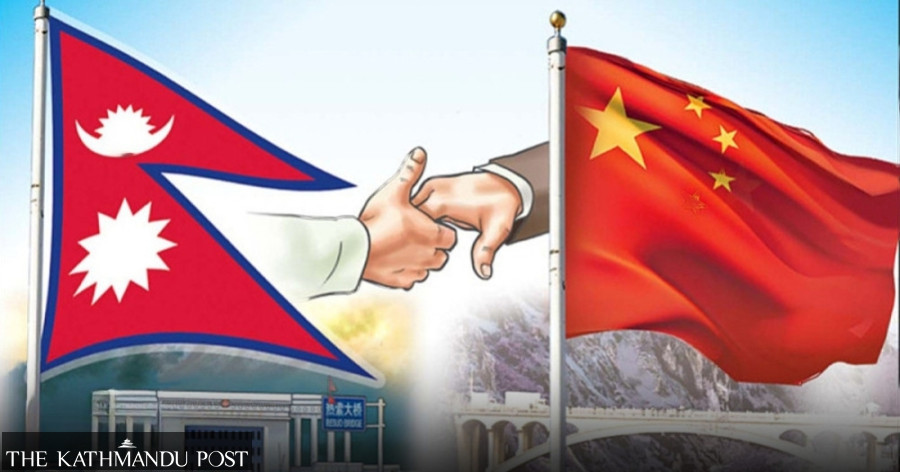
The erosion of trust in the old political establishment, the dysfunction of national institutions, and the demoralization of public officials and police have all contributed to a complex transition that extends beyond domestic issues. Nepal’s strategic location amidst a growing global and regional power struggle adds another layer of complexity. As a neighboring country, China has consistently supported Nepal’s autonomy in governance and administration. At the same time, Beijing has expressed its appreciation for Nepal’s support in safeguarding key national interests. This mutual respect has strengthened the relationship over time, creating a foundation for continued cooperation.
Stability and Governance
The rapid resonance of the Gen Z movement can be attributed to widespread public frustration with corruption and governance failures. The old power structures have been significantly shaken, and the formation of new ones remains uncertain. Internal struggles within political parties and the influence of external geopolitical forces are shaping the current situation, although the direction remains unclear. Prime Minister Karki, known for her integrity and judicial background, may play a crucial role in restoring social trust and unity. Her ability to fulfill her commitments upon taking office could lead to greater political stability, which aligns with China’s long-standing belief in the principle of independent development paths.
In the long term, China hopes to see Nepal resolve its internal divisions. Drawing from its own experience, achieving the dual goals of reform and stability is a test of political wisdom. While there have been persistent calls for improved governance, opinions on the best path forward remain divided. Reform inevitably touches vested interests, and challenging these can lead to opposition. Avoiding drastic changes that might cause further turmoil during this transitional period seems difficult, but it is essential for maintaining stability. Broad consensus across all societal groups on core national interests, along with mutual concessions and compromises, is necessary to achieve this. Building such a consensus tests the strategic resolve and inclusive vision of Nepal’s political leaders, as hasty power reorganization could deepen factional rifts and weaken the nation’s resilience against external threats.
Economy and Mutual Trust
The impact of the recent events on Nepal’s economy is evident. Although the transitional government’s primary focus is on political matters, this period is also critical for economic recovery. The success of Nepal’s future political transformation depends on economic resurgence, making China an inevitable partner in this endeavor. Before the incidents, momentum in China-Nepal economic cooperation was strong, with the Belt and Road Initiative (BRI) serving as a framework for collaboration. Beijing expects the transitional government to maintain this momentum and deepen efforts in areas like interconnectivity.
The Korala Pass in the Mustang region has become a key alternative route for bilateral land cargo transport following the blockage of other passes due to natural disasters. With the peak tourism season approaching, Chinese tourists could boost the recovery of the tourism industry. However, these measures fall short of the expectations set by the populations and future potential of both countries. The previous government had made progress in BRI-related cooperation, including railways and cross-border energy projects. Beijing has consistently emphasized that political changes will not disrupt these “mutually beneficial and win-win” efforts.
Balance and Perseverance
In the intricate dynamics of South Asia, Nepal’s role is becoming increasingly significant. Its unique geopolitical position necessitates a balanced approach among major powers. From any perspective, adhering to proven and effective strategies is the optimal solution for Nepal’s diplomatic strategy. This approach not only benefits Nepal but also contributes to the overall stability of the region.
Regarding China-Nepal relations, the recent political fluctuations have not directly affected the friendly ties between the two countries. The foundations and prospects of cooperation remain intact, and the overall development trajectory has not changed. The essence of China-Nepal relations is characterized by complementarity and non-confrontation. China does not label political figures or parties as pro- or anti- any country, as this does not help resolve practical issues and is not consistent with China’s diplomatic style.
While uncertainties in Nepal add to the unpredictability of China-Nepal relations, a certain degree of certainty can still be discerned. Ensuring that bilateral relations and cooperation proceed steadily along the established track is crucial. If the transitional government can solidify domestic foundations through gradual governance, sustain economic mutual trust through pragmatic execution, and safeguard strategic space through balanced diplomacy, then post-2026 election Nepal could emerge as a new pillar of stability in South Asia.


