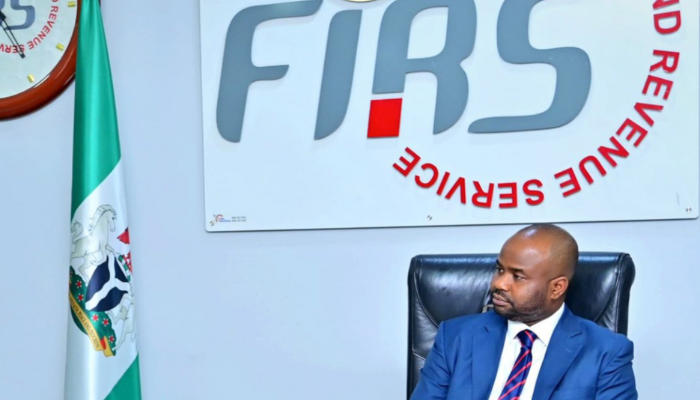
A Two-Year Journey of Reform and Growth
Two years into his tenure as chairman of the Federal Inland Revenue Service (FIRS), Dr. Zacch Adedeji reflects on the journey, the reforms initiated by President Bola Tinubu, and the potential benefits for Nigeria’s economy starting in 2026.
The journey has been one of transformation, with a clear focus on reforming the fiscal landscape of Nigeria. The results are evident, with the three tiers of government sharing a record monthly allocation exceeding N2 trillion. This is a significant milestone that demonstrates the success of the reforms implemented under President Tinubu’s leadership.
Over 70% of this revenue comes from tax collected by FIRS, highlighting the agency’s pivotal role in the nation’s financial structure. President Tinubu’s bold decisions, such as removing petrol subsidies and collapsing the dual exchange rate, have contributed to the improved health of the Federation’s accounts. These actions have eliminated fraudulent subsidy claims, allowing for more efficient use of resources.
Reforms and New Tax Laws
President Tinubu’s commitment to creating a business-friendly environment is evident in the new tax laws set to take effect in January 2025. These laws aim to simplify the tax system by consolidating scattered legislation into a single document. This move eliminates multiple taxes and ensures that no more than ten tax types exist, making compliance easier for taxpayers.
Key benefits include VAT-free food, education, transportation, and agriculture, which will positively impact over 80% of Nigerians. Additionally, personal income tax for low-income earners has been adjusted, and small businesses with turnover below N50 million are exempt from taxation. These changes reflect the president’s compassionate approach to economic policy.
Operational Improvements at FIRS
Under the leadership of Dr. Adedeji, FIRS has undergone significant internal restructuring. The agency has shifted from functional tax typologies to a customer-centric approach, streamlining operations to make tax payments more accessible. Taxpayers are now categorized into emerging, medium, and large tax buckets based on their turnover thresholds. This categorization allows for a more efficient and tailored service for each taxpayer group.
Addressing Criticisms
Despite these achievements, some critics argue that little has changed since President Tinubu took office in 2023. However, Dr. Adedeji emphasizes that the initial disruptions caused by the removal of petrol subsidies were temporary. The government introduced measures such as the compressed natural gas (CNG) initiative to mitigate these challenges. As a result, petrol prices have started to decline, and the crude-for-naira initiative has supported local refiners.
The FX market has also seen improvements, with reduced arbitrage and better management of foreign debt. Over 90% of revenue was previously used for debt servicing, but this has decreased to around 50% in two years. The tax-to-GDP ratio has increased from 10% to 13.5%, with a goal of reaching 18% by 2027. External reserves have grown significantly, from $4 billion to $41 billion.
The Role of the Nigeria Education Loan Fund
The Nigeria Education Loan Fund (NELFUND), established by President Tinubu, has disbursed nearly N90 billion to over 450,000 students nationwide. This initiative underscores the administration’s commitment to investing in the future of the country.
Infrastructure Development and Fiscal Stability
Road projects across all six geo-political zones are enhancing economic corridors and improving connectivity. Federal allocations to states have increased by 70%, contributing to greater fiscal stability and improved debt management. Thirty states have repaid N1.85 trillion in debt within 18 months, demonstrating the positive impact of the current administration’s policies.
The 5% Surcharge on Petrol
Dr. Adedeji clarifies that the 5% surcharge on petrol is not automatically effective. It requires a commencement order from the Minister of Finance, which will be publicly announced. The previous relief of removing 7.5% VAT on diesel highlights the administration’s efforts to support citizens.
The New Name: Nigeria Revenue Service
The renaming of FIRS to the Nigeria Revenue Service (NRS) aims to eliminate misconceptions about the agency’s scope. The term “Federal” may imply a focus solely on federal revenue, while “Inland” could suggest a narrow geographical focus. The new name reflects the agency’s role in collecting all revenue for the Nigerian federation.
Expectations for Taxpayers
Taxpayers can expect a fair and hassle-free tax administration from NRS. The agency’s core mandate remains assessing, collecting, and accounting for revenue. With the new tax laws, compliance should be easier, and voluntary compliance is encouraged. Evading taxes will become increasingly difficult and costly.
Frequently Asked Questions
Why does FIRS still unable to issue TCC after PAYE has been deducted from an employee’s salary?
FIRS does not deny the issuance of TCC to any taxpayer who has fully paid their tax liability. However, TCC requests are rejected if there are outstanding liabilities.
Philosophical Insight
“When there is an income tax, the just man will pay more and the unjust less on the same amount of income.” – Lao Tzu, Chinese philosopher


