A Deepening Crisis: School Abductions and Security Failures
The abduction of female students from Government Girls’ Comprehensive Secondary School in Maga, Kebbi State, has ignited widespread anger over alleged security failures. Despite warnings from intelligence agencies, the incident highlights a growing concern about the effectiveness of Nigeria’s security infrastructure.
The students were taken during the early hours of Monday, adding to a troubling pattern of mass school abductions across northern Nigeria. What has particularly shocked many is the claim that the attack could have been prevented had intelligence reports been acted upon promptly.
Kebbi State Governor Nasir Idris was among the first to speak out following the incident. During a visit to the school, he described the event as “clear sabotage,” accusing unnamed security agencies of ignoring critical intelligence provided by the Department of State Services (DSS).
According to the governor, the DSS issued an alert days before the attack, urging the state to hold an emergency security council meeting. The meeting was convened, and a decision was made to provide round-the-clock protection for the school. However, despite these measures, the attackers managed to strike.
“I got credible intelligence from the DSS that this school was likely to be attacked. They advised us to convene an emergency security council meeting, which we did. And the decision was that we would provide round-the-clock protection for the students,” the governor said.
He also appointed the DSS director to head a special committee investigating the incident. “The good news is that there is sufficient reason to believe that the girls were kidnapped, not killed. With ongoing efforts by the federal and state governments, we are hopeful that they will all be rescued,” he added.
This claim was echoed by others, including Kebbi South Senator Garba Maidoki and a teacher who survived the attack. Maidoki revealed that he was aware of intelligence indicating that terrorists planned to target the school. He noted that while there is an army checkpoint nearby, the soldiers stationed there may have been overwhelmed due to the attackers’ numbers.
“There is an army checkpoint just five kilometres away, and there are only 10 or 20 soldiers there. If three hundred motorcycles come in, meaning 300 bandits, and you have only 25 soldiers, that is suicide,” he said.
A teacher who narrowly escaped the kidnapping recounted that security personnel spent the night guarding the school and even conducted emergency drills for students and teachers. “The heavily armed security men spent the entire night guarding the school. Sadly, for yet-to-be determined reasons, they reportedly left the school before dawn. About 30 minutes after they withdrew, the kidnappers struck,” he said.
Lessons Unlearned
This incident has reignited memories of past tragedies where intelligence warnings were allegedly ignored, leading to devastating consequences.
The Yelewata attack in Benue State, where around 200 people were killed, was blamed on failure to act on intelligence. A leaked DSS memo warned nearly a month earlier of planned attacks on communities in Benue and Nasarawa states. However, the military denied receiving the report, with Maj Gen Moses Gara dismissing the allegations as baseless.
In Kwara State, where armed men invaded a church in Eruku, killing two and abducting 35, political leader Mashood Shittu said the tragedy confirmed long-standing security warnings that leaders had repeatedly ignored.
Similarly, the interception of Brig Gen Musa Uba and his troops by the Islamic State of West African Province highlighted another intelligence failure. The General had sent his location for rescue, but was captured by the terrorists.
The December 2020 mass abduction of over 300 pupils from Government Science Secondary School, Kankara, Katsina State, has also been linked to failures to act on prior intelligence.
Retired Commissioner of Police Lawrence Alobi raised concerns over recent allegations of lapses in military operations. He stressed the importance of using intelligence effectively to guide decisions and prevent incidents from escalating.
“Intelligence is meant to guide decisions, to help security forces think ahead, plan, and act proactively. We should not wait until incidents escalate beyond control,” he said.
Ex-Assistant Inspector General of Police Wilson Inalegwu emphasized the need for better coordination among security agencies. He called for enhanced collaboration between local communities and security forces to improve situational awareness and prevent future attacks.
DHQ Responds to Troop Withdrawal Claims
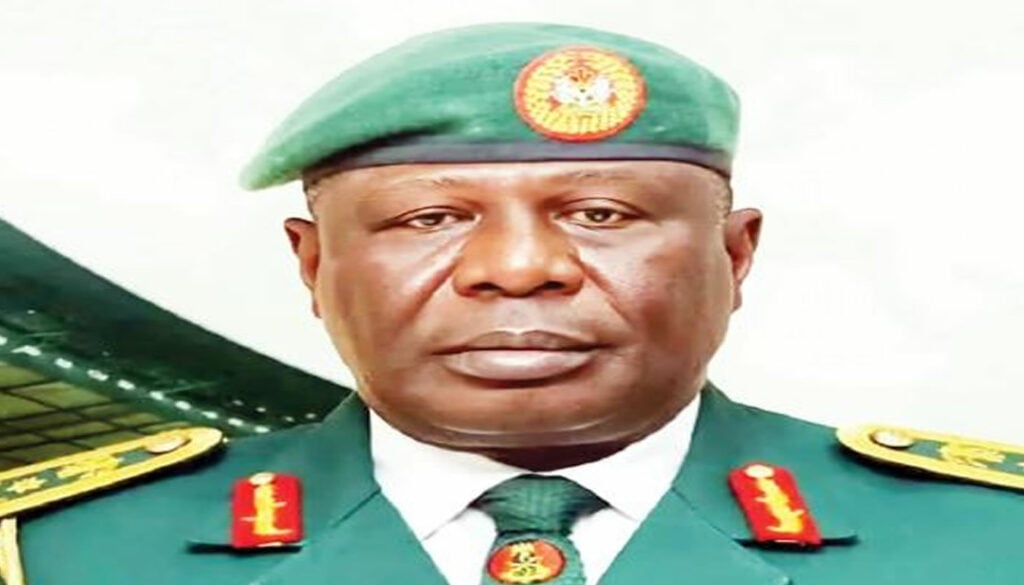
In a statement, the Director of Defence Media Operations, Maj Gen Michael Onoja, condemned the attack and said efforts were underway to rescue the students and apprehend the perpetrators. He addressed the allegation that attackers struck shortly after troops left the school, stating that the Defence Headquarters was reviewing the circumstances surrounding troop deployment.
“Regarding the allegation made by the Executive Governor of Kebbi State that the terrorists struck 30 minutes after troops were withdrawn from the school, the Defence Headquarters is aware of this claim. In line with our standard procedure, a thorough review is currently underway to ascertain the circumstances surrounding troop deployment and movements in the area at the time of the incident,” he said.
Onoja added that operational decisions were based on intelligence assessments and the broader security situation in the region. “If the ongoing review identifies any lapse or gap, the Armed Forces will take immediate corrective action to prevent a recurrence.”


