A Platform for Youth Leadership in Climate Justice
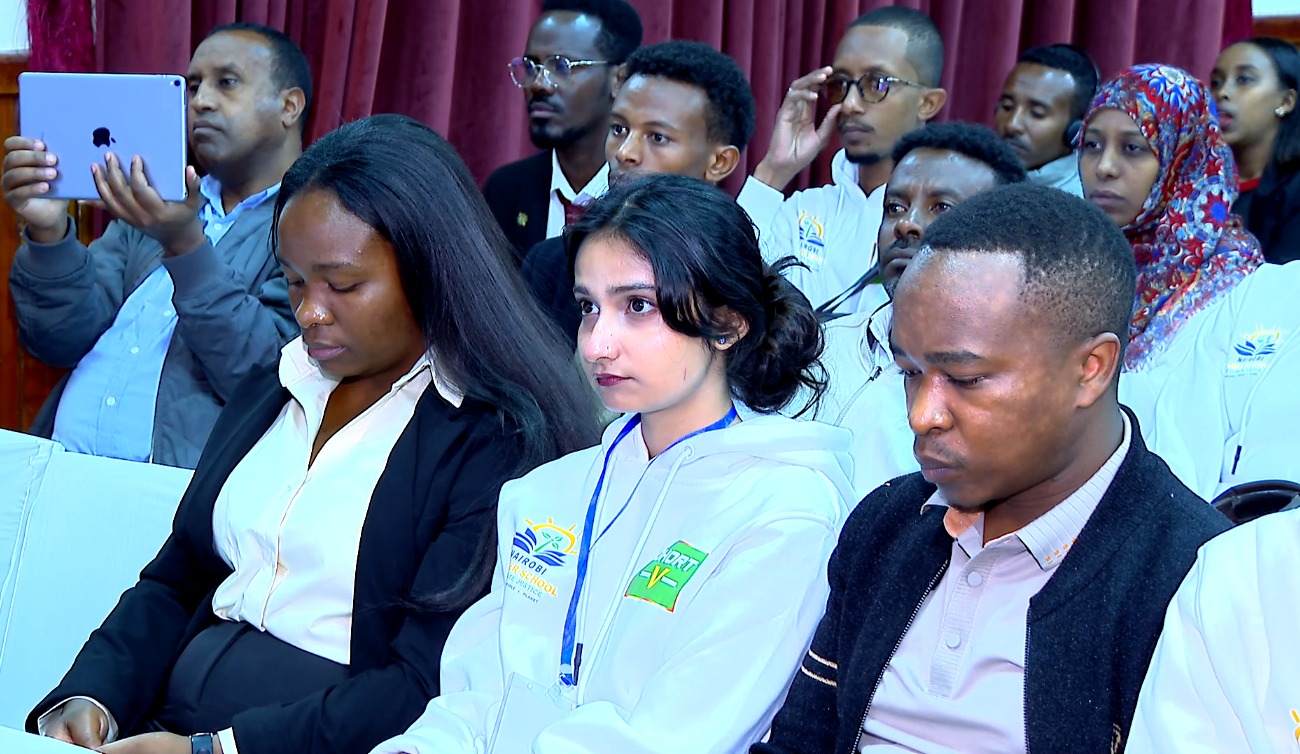
The Pan-African Climate Justice Alliance (PACJA) has initiated the fifth edition of the Nairobi Summer School on Climate Justice (NSSCJ) at Addis Ababa University. This event brings together participants from over 60 countries, creating a global platform for young climate advocates to engage with critical issues related to climate justice.
This year’s program is being held in Ethiopia’s capital as a strategic prelude to the Second Africa Climate Summit (ACS2), which will take place from September 8 to 10, 2025. The timing of the NSSCJ is intentional, aiming to amplify youth voices and perspectives ahead of this major continental gathering.
The summer school serves as a vital opportunity for young people to gain knowledge, develop skills, and build networks that enable them to participate effectively in high-level policy discussions. While it operates independently of the official ACS2 agenda, its placement just before the summit is a deliberate effort to ensure that youth perspectives are integrated into the broader climate dialogue.
Intergenerational Dialogue and Keynote Addresses
The program fosters intergenerational dialogue by bringing together young climate activists and prominent figures from academia, government, and international organizations. This exchange of ideas helps bridge the gap between emerging leaders and established experts in the field of climate action.
In her keynote address, Minister for Planning and Development, Fitsum Assefa, emphasized the moral urgency of climate justice. She stated, “The call for climate justice is not political, it is moral, urgent, and non-negotiable.” Her remarks underscored the importance of addressing climate change as a matter of ethics rather than politics.
Fitsum highlighted Africa’s dual role as both a victim of climate change and a leader in global climate action. She noted that while Africa is warming faster than the global average, the continent bears the disproportionate costs of climate impacts. “Communities across our continent, from drought-stricken lowlands to flood-prone river basins, are carrying the burden of a crisis they do not create,” she said.
Despite contributing less than 4 percent of global emissions, Africa faces significant economic losses due to climate extremes, with annual costs ranging from 2 percent to 5 percent of GDP. Fitsum emphasized the need for a global response that reflects the moral imperative of climate justice.
Ethiopia’s Commitment to Climate Action
Ethiopia has long recognized the urgency of climate change, integrating climate actions into all its plans and policies. The country has developed a stand-alone climate-resilient green economy strategy, well before the Paris Agreement was signed in 2011. This forward-thinking approach has been instrumental in shaping national policies and initiatives.
One such initiative is the Green Legacy Initiative, launched in 2019 under Prime Minister Abiy Ahmed. This program has resulted in the planting of over 48 billion seedlings, with a target of 50 billion by 2026. The initiative has restored degraded land, reduced soil erosion, improved food security, created green jobs, and rehabilitated more than 15 million hectares through watershed management and area enclosures.
Strategic Importance of the NSSCJ
Mithika Mwenda, Executive Director of PACJA, emphasized the strategic importance of hosting the NSSCJ in Addis Ababa at this moment. He stated, “The Nairobi Summer School is not just about education; it’s about building a movement.” By bringing young leaders to Addis Ababa on the eve of the Africa Climate Summit, PACJA ensures that these voices are represented and equipped to influence continental decision-making.
Mwenda also highlighted the innovative potential of African youth. “Africa is actually bulging in these innovations, but that has never been tapped, mostly coming from the young people,” he added. The two-week program, running from August 25 to September 4, 2025, offers a transdisciplinary curriculum covering topics such as climate finance, grassroots mobilization, and sustainable development.
A Commitment to a Just and Sustainable Future
The presence of the NSSCJ in Addis Ababa reflects a commitment to a just and sustainable future through intentional collaboration and youth leadership. As African leaders convene for the ACS2, the program ensures that the voices of young climate advocates are heard and valued in shaping the continent’s climate agenda.


