In a recent interview, Chimamanda Ngozi Adichie, the woman who told us we should all be feminists, suggested that feminists are being too mean. Not about trivialities, but about the advocacy work itself.
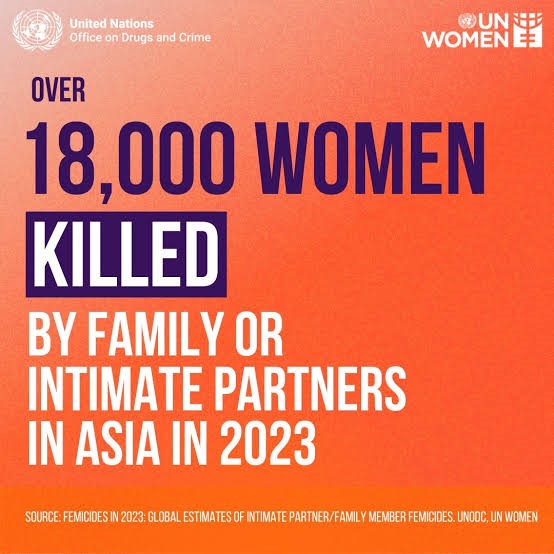
The very activism that made her a household name, that turned her TED talk into a global rallying cry, she now thinks we are doing too harshly. The timing is everything. Every day, 137 women and girls are killed by intimate partners or family members. In 2024 alone, 50,000 women and girls lost their lives this way, one every ten minutes.
At a moment when femicide rates continue to climb across every region of the world, Chimamanda Ngozi Adichie has decided that the problem with feminism is its tone.
Here is what I think happened: Chimamanda Ngozi Adichie got comfortable. When you have written bestselling novels, when you have been profiled in major publications, when your brand of feminism becomes marketable and mainstream, something shifts.
The urgency that once drove you begins to feel like someone else’s problem. The anger that fuelled your early work starts to seem excessive. You begin to police tone because you are no longer in the trenches. You are in the ivory tower, and from up there, the shouting below sounds rather unpleasant.
I come from a deeply Christian home, a family where faith shapes everything. This background creates an internal war when it comes to certain issues. Take LGBTQ+ rights, for instance. Intellectually, I believe in equality, in the fundamental right of every person to love whom they choose without persecution. But there’s still a part of me, shaped by years of religious teaching, that hesitates.
But here’s what I’ve learnt, when my personal beliefs might harm someone else’s fight for dignity and safety, I have a responsibility to sit it out. If I cannot advocate for you, I will not advocate against you. I will not use my platform to undermine your struggle simply because it makes me uncomfortable. And I certainly won’t dress up my discomfort as concern about your methods being too aggressive.
This is the difference between advocacy and performance. Advocacy requires that you remain connected to the people whose rights you claim to champion. Africa has the highest rate of femicide by an intimate partner or family member: three per 100,000 women and girls, followed by the Americas at 1.5, Oceania at 1.4, Asia at 0.7, and Europe at 0.5.
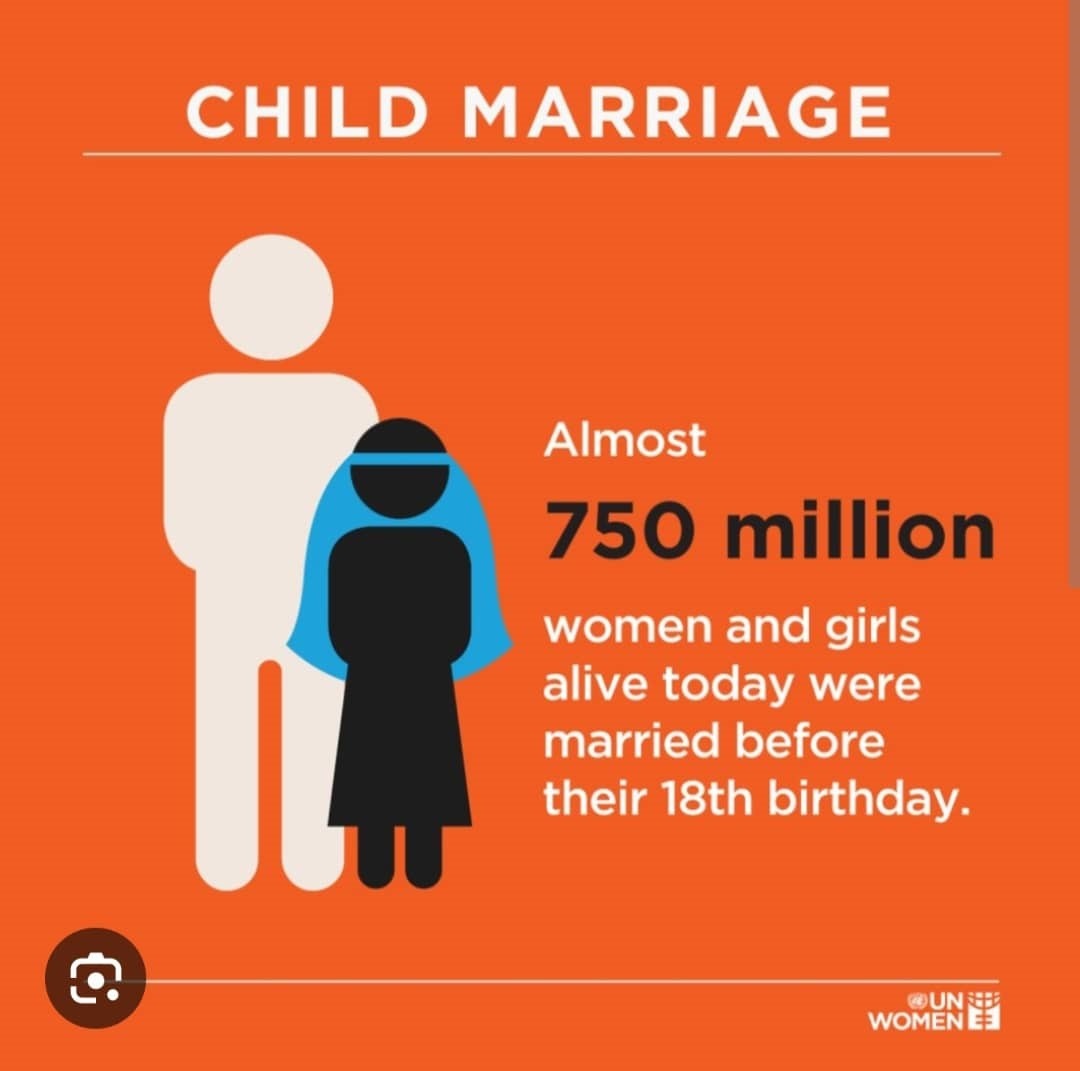
When women are being murdered at these rates, when almost 750 million women and girls were married before turning 18, when rape survivors are being asked what they were wearing, you don’t get to complain that activists are being too mean about it.
Performance allows you to pick and choose when you engage. It permits you to advocate when it’s convenient, when it boosts your brand, when it doesn’t require too much discomfort. And it allows you to tone-police others when their passion begins to embarrass you in the rooms you now occupy.
What’s particularly troubling about Adichie’s recent stance is that it undermines the very activists who are continuing the work she popularised. Young feminists, particularly in Africa, looked to her as proof that our voices mattered, that our anger was justified. Her wedding, her hair, her books, her entire public persona screamed activism that refused to apologise for taking up space.
And now she is telling us we are too loud. This is a pattern we see repeatedly in advocacy movements. The people who break down doors with battering rams eventually start complaining about all the noise from those still trying to get through. They forget that they weren’t polite when they were fighting their way in.
Perhaps reaching a certain level of comfort necessarily means losing touch with the urgency of the fight. Perhaps once you have secured your own liberation, it becomes harder to remember what it felt like to be trapped.
But if that’s true, then perhaps it is time we decentre advocates who have reached this stage. Not to cancel them or erase their contributions, but to acknowledge that their season of leadership has passed. The woman who told us we should all be feminists has apparently decided that she’s feminist enough. The rest of us, still fighting, still angry, still refusing to be silent about violence against women, we’re just being mean.
I’m grateful for what Chimamanda Ngozi Adichie has contributed to feminist discourse. Her work opened doors, started conversations, gave many of us language for experiences we couldn’t articulate. That gratitude doesn’t mean I have to follow her into complacency. Because here’s the uncomfortable truth: you can use advocacy to build a career, to establish a brand, to secure a platform. But if you then use that platform to undermine the people still doing the work, you’ve become part of the problem. You’ve transformed from advocate to obstacle.
The battles we fight are not theoretical. When a 56-year-old lawyer is beaten to death by her husband whilst her three grown sons do nothing, when educated women stay in abusive marriages because society has convinced them that leaving means failure, we don’t need advocates telling us to be nicer about it.
I’m still working through my own contradictions. I’m still battling the parts of my upbringing that clash with my convictions. But I know this: I will not become an enabler. I will not use my voice to silence others simply because their methods make me uncomfortable. And I will not prioritise my own comfort over the safety and dignity of women who are still fighting battles I’ve been fortunate enough to avoid.
Progress is never polite. It’s loud and disruptive and, yes, sometimes it’s mean. Because the systems we are fighting against are violent. And meeting violence with courtesy has never liberated anyone.
So, to Chimamanda Ngozi Adichie and to anyone else who has reached the mountaintop and decided the climbers below are too noisy: step aside. Let those of us who still remember what it is like to struggle continue the fight. Your contributions matter, but they don’t give you the right to police how others advocate for their survival.
To the feminists who have been called mean, aggressive, too much: keep going. The fact that you make people uncomfortable means you are doing something right. And to the women still suffering, still surviving, still hoping someone will speak loud enough to be heard: we see you. We won’t stop fighting. And we definitely won’t stop being mean about it. Because kindness doesn’t save women’s lives. Accountability does. Justice does. Systemic change does.
Perhaps it’s time we stopped asking advocates to be kind and started asking systems of oppression to be less violent. Perhaps it’s time we stopped tone-policing feminists and started holding abusers accountable. And if Chimamanda Ngozi Adichie has forgotten that, then perhaps it’s time we found new voices to follow. Voices that remember why we’re fighting. Voices that haven’t forgotten what it’s like to be angry. Voices that won’t trade justice for comfort or silence for acceptance. The fight continues. With or without her.
>>>the writer is a PR, Marketing & Communications professional and General Secretary of the Network of Women in Broadcasting (NOWIB). A dedicated feminist and advocate for women in media, she champions workplace excellence whilst empowering voices and building bridges across the industry. Bridget is passionate about amplifying women’s stories and driving positive change in Ghana’s media. She can be reached via email at mbridget634@gmail.com
Provided by SyndiGate Media Inc. (Syndigate.info).


