HKEX plans to adopt digital currencies and tokenisation in the next decade, which analysts say are in demand for round-the-clock trading
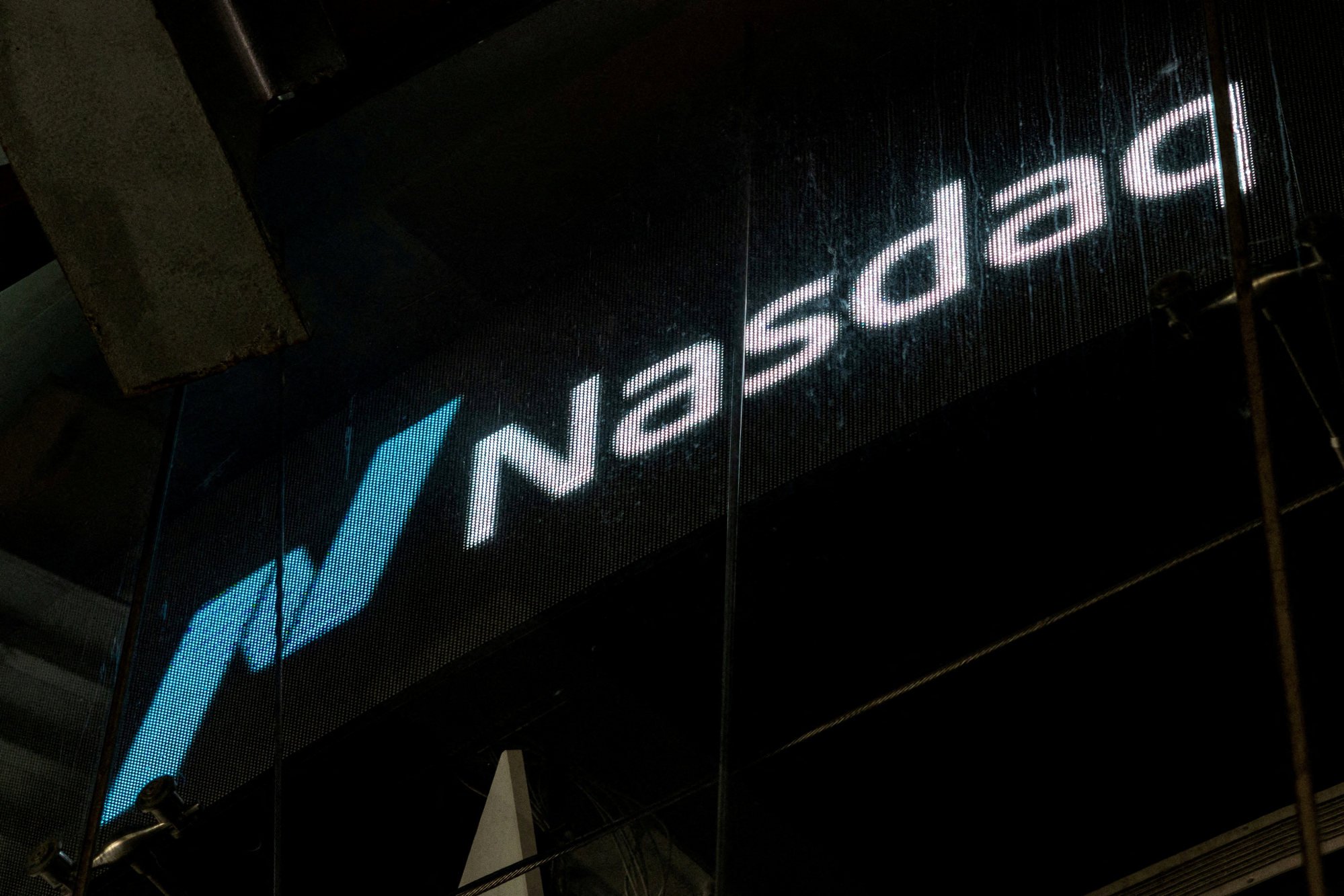
With Nasdaq seeking US regulatory approval to extend its trading hours to 23 hours, some industry players believe local bourse operator Hong Kong Exchanges and Clearing (HKEX) will need to consider a similar move for certain products to enhance its competitiveness.
HKEX chief executive Bonnie Chan Yiting did not mention trading hours in her blog on Monday, but she did say the bourse operator would expand into digital currencies and tokenisation over the next decade, which analysts pointed out were the types of products in demand for round-the-clock trading.
“Trading securities 23 hours a day may not be suitable at the current stage in Hong Kong,” said Robert Lee Wai-wang, lawmaker and chairman of Hong Kong-based Grand Finance Group. “However, HKEX’s futures trading should actively explore extending trading hours as many futures markets are already trading 24 hours a day.”
Do you have questions about the biggest topics and trends from around the world? Get the answers with SCMP Knowledge, our new platform of curated content with explainers, FAQs, analyses and infographics brought to you by our award-winning team.
The issue came under the spotlight after Nasdaq, home to tech giants such as Apple, Microsoft and Amazon, applied to the US Securities and Exchange Commission on Monday to extend trading to 23 hours per day, five days a week, up from 16 hours a day now, according to its filing.
“Nasdaq submits its proposal to extend its trading hours to compete for order flow from these investors, as well as to position itself favourably in the future to participate in markets that trade digital assets,” the filing said.
The London Stock Exchange Group was also weighing whether to introduce 24-hour trading to meet growing demand from small investors, the Financial Times reported in July, citing unidentified sources.
The HKEX currently trades for 5.5 hours on weekdays, from 9.30am to 4.00pm, with a one-hour lunch break. That compares with four hours of trading in Shanghai and Shenzhen, five hours in Tokyo, 6.5 hours in Toronto, 8.5 hours in London and 14 hours in Frankfurt.
The discussions underscore efforts by global exchanges to redefine themselves for the new era of investing, as a generation of smartphone-enabled investors opts to trade anywhere and anytime, unencumbered by geography or time zones.
At present, foreign currency markets, gold, cryptocurrencies and other digital assets have been trading round-the-clock.
HKEX’s Chan said that for the next decade, the bourse operator would invest in digital products and established tech platforms to strengthen the connectivity of the Asian market to China.
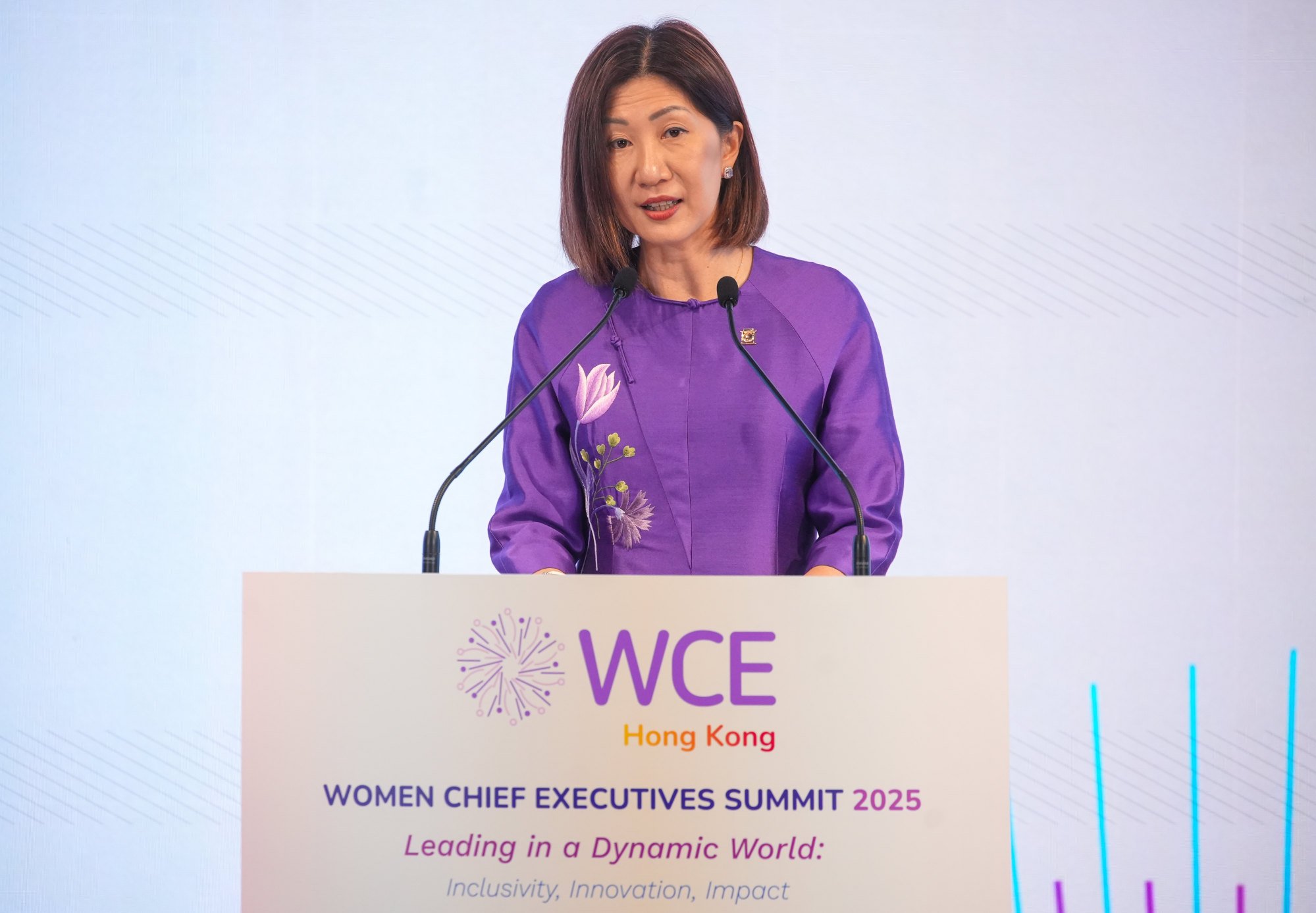
“We will be exploring products that are tailored for clients in Asia and especially the growing retail and ‘protail’ classes of investors here,” she wrote on her blog. “Thinking even more long-term, fixed income and currency is an area where we can definitely grow.”
HKEX would also invest in adjacent capabilities, including “data, analytics, the index business, digital currency, tokenisation and more,” Chan said. “We will be looking at how to develop these adjacencies to support our core business by driving capital flows and liquidity, especially through the lens of connecting global capital to Asia opportunities.”
Last week, the bourse operator launched the HKEX Tech 100 Index, which formed part of such strategies, she added.
Given HKEX’s consideration of digital currencies and asset tokenisation, it was “natural for the bourse operator to consider whether it needs to extend trading hours for these particular products”, said Tom Chan Pak-lam, permanent honorary president of the Institute of Securities Dealers, an industry body for brokers.
However, he said that given the dominance of the US in digital assets, it would not be easy for HKEX to compete for global investors simply by extending trading hours. “For the stock markets … such a move may not necessarily attract more turnover, while it would add cost to the brokers,” he said.
Further, the Hong Kong Investment Funds Association (HKIFA) said fund houses had not seen strong demand for 24-hour trading, according to chairman Sam Yu Chun-sing.
“While the fund industry will explore opportunities to enhance operational efficiency, cost and benefit to end investors, we have not yet seen a strong demand from HKIFA members for around-the-clock trading hours in Hong Kong,” Yu said.
“It is certainly good for Hong Kong to explore new global market trends to maintain competitiveness as an international financial hub,” he added.
More Articles from SCMP
‘Don’t be misled by lies,’ Beijing tells foreign media in Hong Kong after Jimmy Lai ruling
China’s latest stealth endurance drone, CH-7, completes maiden flight
Ex-NBA player fights cancer in Singapore, porn star mocks Bali arrest: 7 Asia highlights
Hong Kong shipping baron’s nephew buys US$9.6 million flat in Repulse Bay
This article originally appeared on the South China Morning Post (www.scmp.com), the leading news media reporting on China and Asia.
Copyright (c) 2025. South China Morning Post Publishers Ltd. All rights reserved.