Hong Kong Taxi Industry and Uber Voice Concerns Over Proposed Ride-Hailing Quota
The Hong Kong taxi industry and ride-hailing platform Uber have both expressed concerns over a proposed quota for ride-hailing vehicles, even before the final number is decided. This comes after the Transport and Logistics Bureau submitted regulatory details to lawmakers, suggesting that between 10,000 and 15,000 permits should be issued.
Transport Minister Mable Chan stated that the administration has not yet taken a position on a specific figure. The government had previously promised to include a quota limit in the final gazetted document, pending lawmakers’ approval before their summer recess in mid-July.
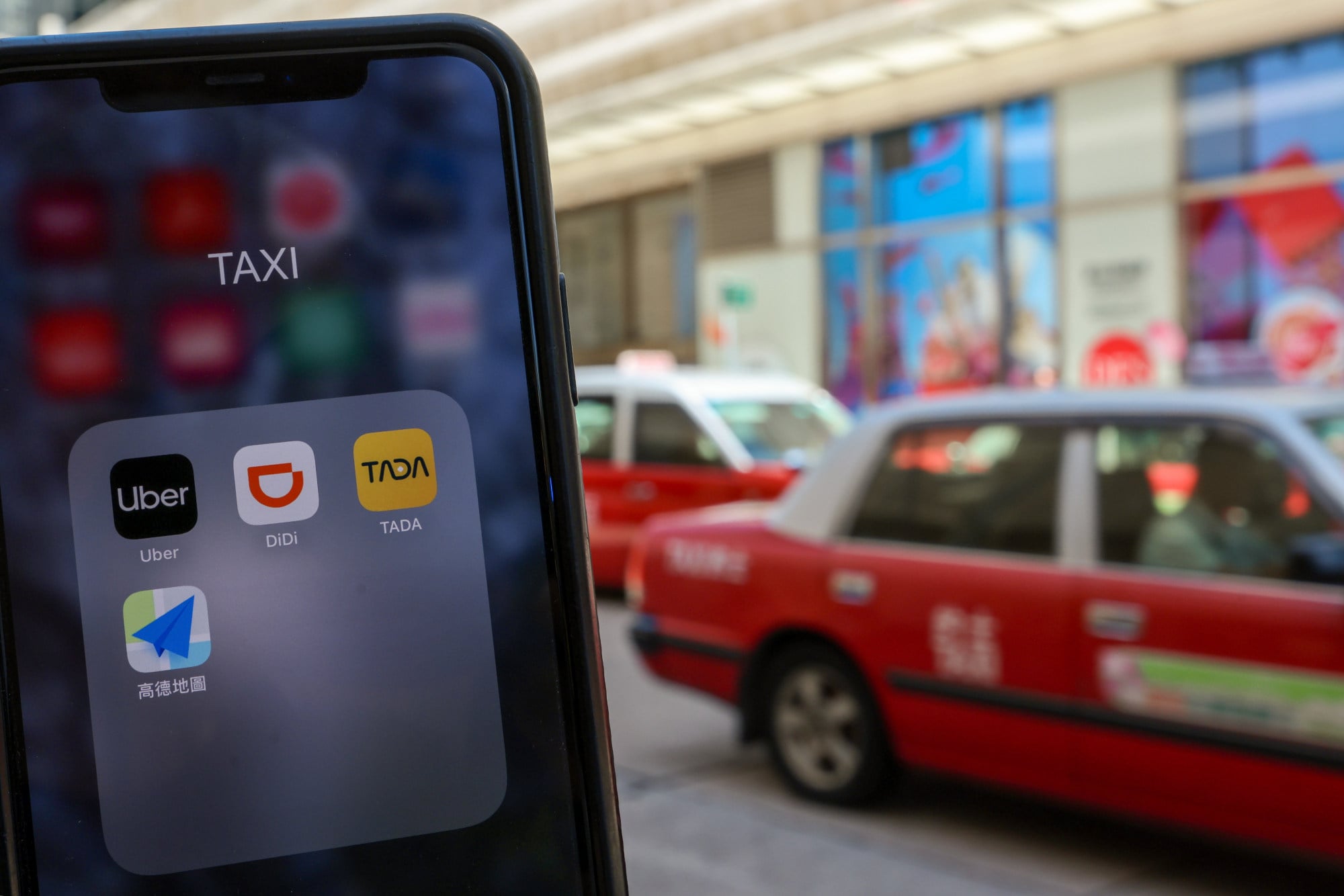
The proposed ride-hailing regime aims to address a regulatory gap where platforms such as Uber, Tada, Amap, and Didi Chuxing currently operate without clear oversight—a situation criticized by taxi drivers as unfair. Amap is operated by Alibaba Group Holding, which also owns the South China Morning Post.
Three major taxi groups have highlighted the potential impact of the quota on the market. Tran Chau, chairman of the Hong Kong Taxi and Public Light Bus Association, said: “Ride-hailing service providers are supposed to help us serve the people better, not replace us.”
Before the bureau’s submission, lawmakers and experts discussed various numbers for the cap. Legislator Mark Chong Ho-fung argued that a minimum of 10,000 ride-hailing vehicles, combined with the existing 18,000 taxis, would help absorb illegal operators and establish a balanced market.
Gary Zhang Xinyu, director of the Smart Transportation Alliance and former lawmaker, suggested a higher quota of 20,500 based on government data showing that ride-hailing services handle about 190,000 passenger trips daily—equivalent to roughly 119,000 journeys assuming an average of 1.6 passengers per ride.
These journeys accounted for about 22% of the city’s daily total, with the rest covered by taxis. Hong Kong has 46,000 active cabbies on the road with 18,000 taxis.
Uber Hong Kong, which has operated in the market for over a decade, expressed concern over the possibility of a 10,000 to 15,000-permit limit, arguing it would fall far short of meeting current demand. The company warned that such restrictions could drastically reduce service access for residents and tourists.
Tran Chau added: “I hope the government will not take [the 10,000-permit proposal] seriously. Traditionally, taxis are the main providers of point-to-point transport services, while the role of ride-hailing should be supplementary.”
Wong Po-keung, chairman of the Hong Kong Taxi Owners’ Association, raised concerns about worsened traffic congestion if 10,000 or more permits were issued. He said: “I am speechless. That is an incredibly silly idea, and I hope the government will not listen to those people. Hong Kong’s traffic will be jammed everywhere if there are too many ride-hailing cars running on the roads during rush hours.”
Ng Kwan-sing, honorary chairman of the Taxi Dealers and Owners Association, suggested that the government should initially issue a small number of licenses to test the waters. He said: “It can gradually increase the number of permits if necessary so that the taxi sector can adjust to the new competition and find ways to stay afloat.”
Ng argued that the city’s new premium taxi fleets, which can be booked through apps, could serve as alternatives to ride-hailing services. Authorities launched the premium fleets last year in a bid to improve service quality, but only 1,500 of the vehicles were operating as of April.
Quentin Cheng Hin-kei, spokesman for commuter concern group Public Transport Research Team, noted that the ride-hailing industry offered drivers flexibility, allowing them to decide when to earn and how much. “By shifting towards a formal licensing system similar to traditional taxi-hailing companies, the government risks destroying the flexibility that defines the gig economy,” he said.
Cheng advocated for a system that would require platforms to register with the government while maintaining market elasticity. “I am not saying there should be no regulation,” he said. “But it should be a moderate level of oversight that maintains market vitality.”
He added that as long as vehicles met basic safety standards, such as age limits and being bound to specific drivers, the government should avoid imposing caps on the number of cars allowed to serve the public. “By allowing the market to dictate supply, I believe that Hong Kong can avoid the grey area for ride-hailing services to operate and finally establish a system that truly reflects actual market demand,” he said.
Lawmakers are scheduled to discuss the proposed details of the regulatory regime on Tuesday afternoon.