A New Approach to Hair Loss Treatment
A natural sweetener found in numerous candies, desserts, and diet drinks might offer a new solution for people experiencing hair loss. According to recent research, stevia, a zero-calorie sweetener used in over 40,000 products globally, contains compounds called steviosides that could potentially promote hair growth when combined with minoxidil, a popular over-the-counter treatment for baldness.
Minoxidil, commonly known as Rogaine, is widely used in the United States, with an estimated 40 million Americans using it annually. It works by stimulating blood flow to hair follicles, extending their growth phase, and encouraging new hair growth. However, its effectiveness is limited by poor absorption through the skin, requiring frequent application and long-term use before results are visible.
Promising Results from Animal Studies
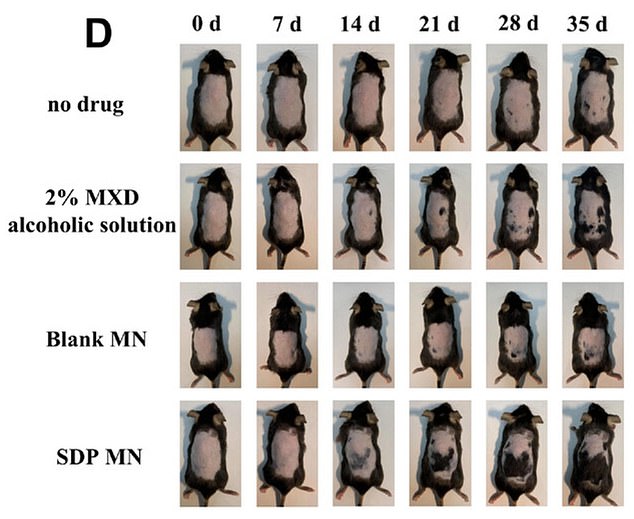
In a study conducted by Australian researchers at the University of Sydney, mice were tested with different treatments to evaluate the potential of combining steviosides with minoxidil. The mice were divided into four groups: one receiving no treatment, another receiving a two percent minoxidil alcoholic solution, a third receiving a microneedle patch without medication, and a fourth receiving a microneedle patch infused with both minoxidil and steviosides.
The results showed that mice treated with the combination of minoxidil and steviosides experienced significant hair regrowth, covering 67.5 percent of their bald areas after a month. In contrast, those treated with the standard two percent minoxidil solution saw regrowth in only 25 percent of the bald area. The researchers noted that the hair regrowth was faster and more extensive in the group receiving the combination treatment.
Potential Benefits and Mechanisms
Dr. Lifeng Kang, the lead researcher, suggested that steviosides might enhance the absorption of minoxidil, thereby increasing its effectiveness. This could lead to a more efficient treatment for hair loss, reducing the need for frequent applications and potentially minimizing side effects.
Minoxidil is generally safe, but it can cause side effects such as swelling, chest pain, and unwanted hair growth on other parts of the body. Oral administration of the drug is also an option, although it is less commonly used due to concerns about side effects and systemic absorption.
Challenges in Current Treatments
Previous attempts to improve the absorption of topical minoxidil have involved adding ingredients like alcohol and propylene glycol, which can cause irritation and other adverse reactions. The new study, published in the journal Advanced Healthcare Materials, offers an alternative approach using microneedle patches, which have shown promise in enhancing blood flow to bald areas and promoting hair regrowth.
The study did not specify the exact amount of steviosides administered to the mice, but the results suggest that this combination could be a viable option for future hair loss treatments. However, further research is needed to confirm these findings in human trials.

Emerging Alternatives in Hair Loss Treatment
The field of hair loss treatment is evolving, with new medications showing promising results. One such treatment, PP405, has demonstrated rapid hair regrowth within eight weeks, compared to the six months typically required for minoxidil and finasteride. In a phase 2a trial, participants using a gel containing PP405 experienced significant hair density improvements, with 31 percent showing a greater than 20 percent increase in hair density.
Stevia, while primarily known as a sweetener, is also present in various food and beverage products, including diet sodas, ice creams, and protein bars. Its widespread use raises questions about its potential impact on health, with some studies suggesting possible effects on gut microbiome balance and mental health.
The Prevalence of Hair Loss
Hair loss is a common concern, affecting a significant portion of the population. By age 35, about two-thirds of men experience some form of hair loss, with this number rising to 85 percent by age 50. Among women, over 50 percent will experience notable hair loss at some point in their lives.
As research continues to explore innovative treatments, the potential of combining natural compounds like steviosides with existing therapies offers hope for more effective and accessible solutions for those struggling with hair loss.