The October 7 Attack and Its Aftermath
The attack by Hamas on October 7, 2023, left Israel in a state of shock. This event marked the beginning of a significant military campaign in Gaza that has had far-reaching consequences beyond the borders of the region, reshaping the political landscape of the Middle East.
On that fateful day, Hamas fighters and other militant groups breached Gaza’s fortified border, launching an assault on Israel. The attack resulted in the deaths of nearly 1,200 people and the capture of 251 hostages. The experience of vulnerability deeply affected the Israeli population, creating lasting trauma.
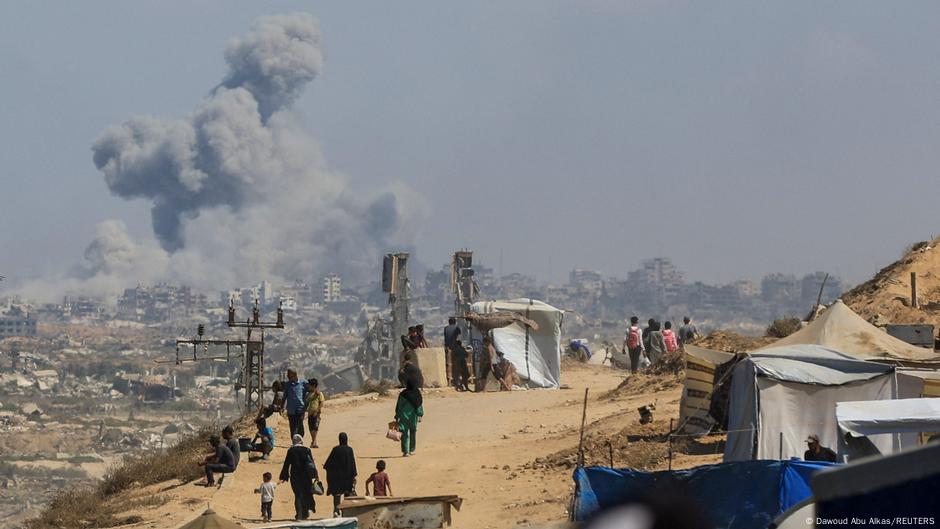
In response, the Israeli government initiated a military operation in Gaza on October 8, 2023. Over the past two years, this conflict has been devastating for the Palestinian population in the enclave. According to conservative estimates from the Hamas-run Health Ministry of Gaza, at least 66,000 people have been killed, with approximately 80% being civilians. Additionally, around 169,000 others have been injured.
The International Organization for Migration reported that 90% of homes in Gaza have been destroyed or damaged, leading to the displacement of 1.9 million people out of a total population of 2.1 million. Due to the “total blockade” imposed by Israel, large parts of the territory are experiencing severe famine, which has already claimed at least 450 lives, including 150 children.
Israel’s War Aims and Their Outcomes
Following the October 7 attack, Israeli Prime Minister Benjamin Netanyahu outlined two main objectives: to recover all hostages taken from Israel and to “destroy” Hamas. Two years later, these goals remain unfulfilled. Of the 251 hostages captured, 148 have been returned to Israel alive. Eight were recovered by the IDF, while the remaining 140 were released by Hamas in exchange for hundreds of Palestinians held by Israel. Some remains of dead hostages have also been returned.
According to the Israeli government, 48 hostages are still being held, with only 20 believed to be alive. Despite the killing of several key Hamas figures, including Ismail Haniyeh and Yahya Sinwar, the group continues to operate in Gaza.
In late September 2025, US President Donald Trump proposed a 20-point peace plan for Gaza, calling for the release of all remaining hostages and the disarmament of Hamas. Those who commit to peaceful co-existence with Israel would receive amnesty, effectively ending Hamas as an armed militia.
Weakening of Israel’s Enemies
The conflict has not been confined to Gaza. Hezbollah, active in Lebanon, and the Houthis in Yemen expressed solidarity with Hamas when the war began. All three organizations reportedly receive financial and material support from Iran.
Hezbollah launched numerous attacks against Israel in 2024 and 2025, while the Houthis targeted Israel with rockets and drones. In response, Israel took military action against these groups, killing Hezbollah leader Hassan Nasrallah and weakening the organization through coordinated attacks. Airstrikes on southern Lebanon further diminished Hezbollah’s capabilities.
Israel’s air force also targeted Iran, damaging nuclear facilities. The assassination of Hamas leader Ismail Haniyeh in Tehran embarrassed Iran’s regime.
The fall of Syria’s longtime ruler, Bashar Assad, in late 2024 meant that Iran lost another regional ally. This dealt a severe blow to Israel’s opponents, strengthening Israel’s military position in the region.
Accusations of Genocide
The manner in which Israel has conducted its war on Gaza has drawn international criticism. Over the past two years, Israel’s army has bombed hospitals, refugee camps, and schools, killing thousands of women, children, and aid workers. Israel has also blocked aid deliveries, claiming it was to prevent supplies from falling into Hamas’ hands.
These actions have led to accusations of genocide against Palestinians. Independent UN human rights commissions, the International Association of Genocide Scholars, and Israeli human rights organizations such as B’Tselem and Physicians for Human Rights have supported these claims. The Israeli government denies these allegations, asserting that there is no evidence and that it has the right to self-defense.
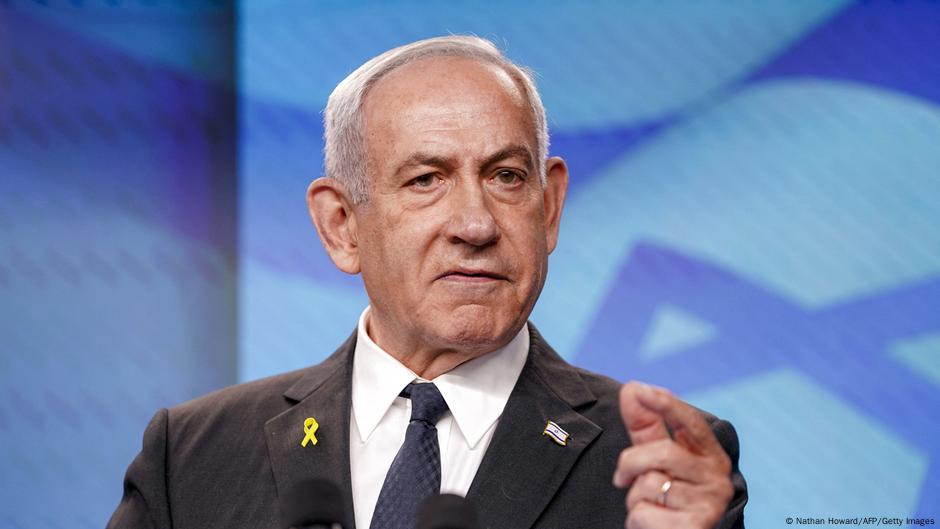
In December 2023, South Africa brought a case against Israel before the International Court of Justice (ICJ) for violating the UN Genocide Convention. In November 2024, the International Criminal Court (ICC) issued arrest warrants against Netanyahu and his then defense minister, Yoav Gallant, on charges of war crimes and crimes against humanity. The Israeli government and its supporters rejected the warrants, and Hungary later withdrew from the ICC.
Recognition of Palestinian Statehood
The dire conditions in Gaza have fueled efforts to recognize an independent Palestinian state. About 140 countries recognized Palestine before October 7, 2023. Two years later, 20 additional countries, including France, the United Kingdom, Spain, Australia, and Canada, have formally recognized Palestine.
These governments support a two-state solution, with an independent Palestine alongside Israel. Netanyahu claims that Palestinian statehood would “reward” Hamas, but those recognizing Palestine have ruled out any role for Hamas in a future Palestinian state.
Numerous countries have halted arms exports to Israel in response to the ongoing war in Gaza. Several countries, including Colombia, South Africa, and Malaysia, have imposed sanctions on Israel. The European Union has discussed punitive economic measures, with some member states supporting the suspension of the EU-Israel association agreement and restrictions on visa-free travel for Israeli citizens.
Social Fragmentation in Israel
Opinions in Israel are divided on how the country should continue its war in Gaza. Far-right ministers, Itamar Ben-Gvir and Bezalel Smotrich, advocate for continued military action and have suggested annexing the occupied West Bank, effectively ending any plans for a two-state solution.
Other groups, including relatives of hostages and Arab Israelis, have called for a ceasefire. Protests have been held weekly, demanding a negotiated solution. Many feel abandoned by their government.
According to a survey published in July, over 60% of the Israeli population supports a ceasefire. If implemented, Trump’s plan for Gaza could bring temporary peace, but the wounds inflicted will likely take decades to heal.


