Economic Reforms and Growth Targets
Kathmandu has witnessed the unveiling of an ambitious roadmap by the federal government, aiming to achieve an average annual economic growth of 7 percent over the next decade. This initiative is focused on key areas such as corruption control, good governance, and digitalisation, with the ultimate goal of transforming Nepal into a dignified middle-income nation.
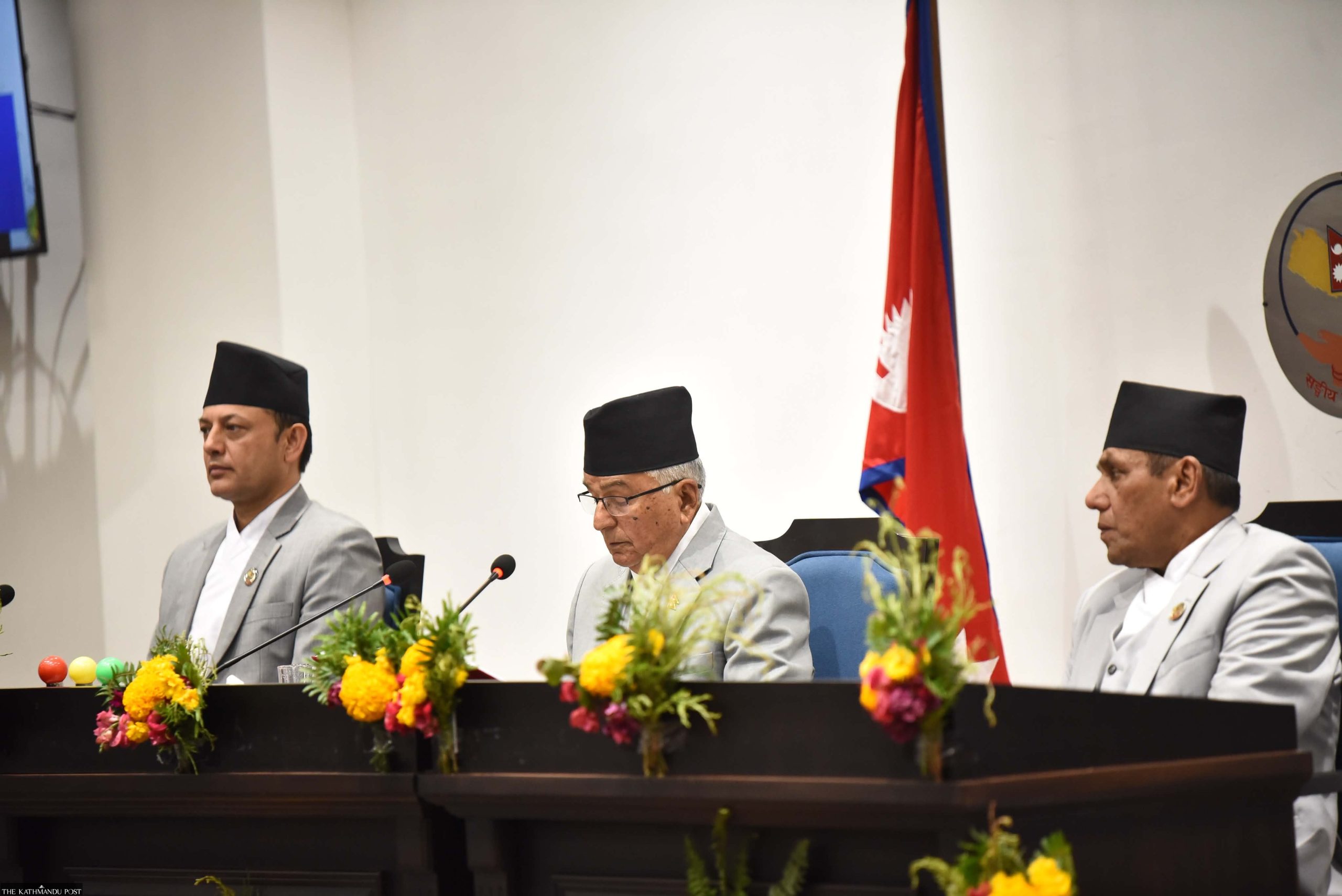
During a joint session of Parliament, President Ramchandra Paudel outlined the policies and programmes that will drive this economic reform series. The government emphasized a zero-tolerance approach to corruption, improved public service delivery, economic recovery, and social advancement. Additionally, it aims to identify common issues for constitutional amendments through dialogue and cooperation with political parties, ensuring equal ownership among all classes, sectors, and communities.
The government also claims continuity in implementing the 100-point governance reform agenda introduced earlier. However, economists argue that achieving these targets will be highly challenging given the country’s current economic landscape.
Current Economic Challenges
Nepal’s economic growth has remained relatively low and unstable over the past decade, with an average annual growth rate of 4.2 percent. During this period, the economy contracted by as low as 2.4 percent and expanded by a maximum of only 9 percent. Recent years have seen sluggish economic activities, with the economy expanding by 4.61 percent in fiscal year 2024-25 but projected to grow by only 3.5 percent in fiscal year 2025-26.
The shift towards the service sector without sufficient industrialisation has led to shrinking contributions from industry and agriculture, while the service sector’s share continues to expand. The condition of productive industries remains weak, with the industrial sector contributing an average of 5.4 percent to GDP over the past decade. Given these conditions, achieving the government’s declared target of 7 percent economic growth will not be easy.
Tax Reform and Digital Economy
The government has proposed formalising the economy into a cashless, transparent, and revenue-leakage-free system by integrating all economic transactions onto digital platforms. Nearly 49 percent of Nepal’s economy remains informal, making this transformation challenging. Nevertheless, the government has set a target to conduct economic transactions through digital payment systems and reduce revenue leakage.
Similarly, the government has adopted a policy to review the tax structure and reduce the burden on entrepreneurs and middle-class families. The document states that the revenue system will be made business-friendly through voluntary tax compliance, technology-friendly revenue administration, and a fast-track tax dispute settlement system.
Infrastructure Financing and Investment Challenges
The government plans to introduce new models of infrastructure financing by mobilising alternative development finance, diaspora capital, and private investment. Foreign aid, loans, and private sector investment will be focused on high-return projects, with transformative projects advanced with clear targets, fixed budgets, and strict deadlines.
However, private-sector investment has steadily declined in recent years, with more than Rs 1.1 trillion in loanable funds accumulated in banks and financial institutions. The decline in private investment has directly affected revenue collection and public debt, with mandatory liabilities such as social security and subsidies exceeding revenue collection by Rs 150 billion.
Employment and Remittance Policies
The government has announced a new National Employment Policy integrating skills, education, labour market information, social security, and employment service systems. It also plans to prepare legal arrangements for a remote work policy allowing people to work from Nepal for foreign employers.
To support this, the government is preparing a digital skills passport for youths returning from foreign employment and providing international professional certification. Legal assistance and access to justice for workers, a digital labour inspection system to ensure minimum wages, and occupational safety and health in workplaces are also part of the plan.
The government aims to channel remittance inflows into productive sectors by diversifying destination countries that offer higher wages and establishing a “Remittance Investment Fund” to transform remittances from consumption-oriented use into productive investment.
Health, Education, and Social Development
The government plans to implement an integrated service model for basic healthcare services nationwide, ensuring access to basic hospitals at the local level. The health insurance programme will be restructured, with specialist consultation services provided to citizens in remote areas through telehealth platforms. A Centre for Disease Control and a National Health Accreditation Authority will be established to improve healthcare quality.
Education is highlighted as the foundation of equality and prosperity, with free education up to the secondary level. The government plans to expand e-learning, virtual classrooms, open digital content, and AI-based learning systems, while restructuring universities academically and administratively to align higher education with the labour market.
Conclusion
While the government’s policies and programmes address several critical areas, experts suggest that their success will depend on effective implementation. The focus on digitalisation, tax reform, and infrastructure financing offers potential for growth, but challenges remain in mobilising investment and addressing systemic issues. The coming years will determine whether these ambitious goals can be achieved.