The Legacy of Structural Adjustment and Its Impact on African Agriculture
The World Bank’s 1981 Berg Report provided a blueprint for structural adjustment in Africa, emphasizing economic liberalization. It advocated for trade liberalization, promising growth based on the continent’s supposed comparative advantage in agriculture. However, this promise has not materialized as expected.
Berg’s Promises and Their Consequences
In “Accelerated Development in Sub-Saharan Africa: A Plan for Action,” Professor Elliot Berg blamed government interventions for hindering post-colonial economic progress. He argued that removing ‘distortions’ caused by marketing boards and other state institutions would unleash export-led growth for SSA producers. Yet, despite these expectations, African agricultural exports have not grown significantly due to protectionist policies by wealthy nations.
By the turn of the century, Africa’s share of worldwide non-oil exports had declined to less than half of what it was in the early 1980s. This decline is attributed to decades of low investment, economic stagnation, and neglect. Significant public spending cuts further deteriorated infrastructure, undermining potential ‘supply responses.’
While high growth in East and South Asian economies boosted SSA mineral exports, often mined by foreign firms, the primary commodity price collapse from 2014 did not prevent Africa’s share of world exports from increasing. However, the overall trend remains concerning.
The Marrakech Declaration and WTO Challenges
The 1994 Marrakech declaration led to the creation of the World Trade Organisation (WTO) in 1995. The Doha Development Round began in 2001, following a walkout by African trade ministers at the WTO Seattle ministerial conference in 1999. The Public Health Exception to the WTO’s intellectual property rules alleviated concerns but was ignored during the COVID-19 pandemic.
A 2005 World Bank study estimated that developing countries could gain US$16 billion from a Doha Round trade agreement. However, studies suggest significant net losses for SSA, with gains largely accruing to existing major agricultural exporters, mainly from the Cairns Group.
Uneven Effects and Economic Stagnation
WTO trade rules have reduced policy space for developing countries, especially in industrial, trade, or investment policy. African governments were told that a Doha Round deal would reduce agricultural subsidies, import tariffs, and non-tariff barriers by rich nations. However, the neglect of physical and economic infrastructure over two decades left little capacity to respond to new export opportunities.
Trade liberalization of manufactured goods also undermined nascent African industrialization. African market access to European markets was secured through preferential agreements rather than trade liberalization. Further multilateral trade liberalization would erode these modest gains.
Most African governments, particularly poorer economies, struggled to replace lost tariff revenues with new taxes. The losses foretold by experts like Thandika Mkandawire highlighted the risks of the WTO trade regime without preferential treatment from the EU under the Lomé Convention.
Export Growth and Economic Realities
Export growth typically follows economic growth, creating a virtuous circle. However, trade cannot trigger this cycle alone. A weak investment-export nexus hinders export expansion and diversification. The World Bank noted Africa’s export collapse in the 1980s and 1990s, resulting in a staggering annual income loss of US$68 billion.
For Dani Rodrik, Africa’s ‘marginalisation’ was not due to its trade performance, although poor by international standards. Gerald Helleiner emphasized that Africa’s failures were developmental, not export failure per se. With its geography and income, Africa probably trades as much as can be expected.
Vulnerable Africa and Future Prospects
The Doha Round negotiations ended over a decade ago as backlash against globalization gained momentum. Trade liberalization deepened SSA deindustrialization and food insecurity. With Africa unevenly integrated into global markets, most of the continent exports little to the USA, making it less of a target of Trump’s tariffs.
However, trade liberalization has made developing economies more vulnerable to the weaponization of tariffs. The expiration of the African Growth and Opportunity Act (AGOA) prompted some African leaders to seek an extension. US AGOA imports in 2023 totaled US$10 billion, accounting for high shares of some countries’ exports.
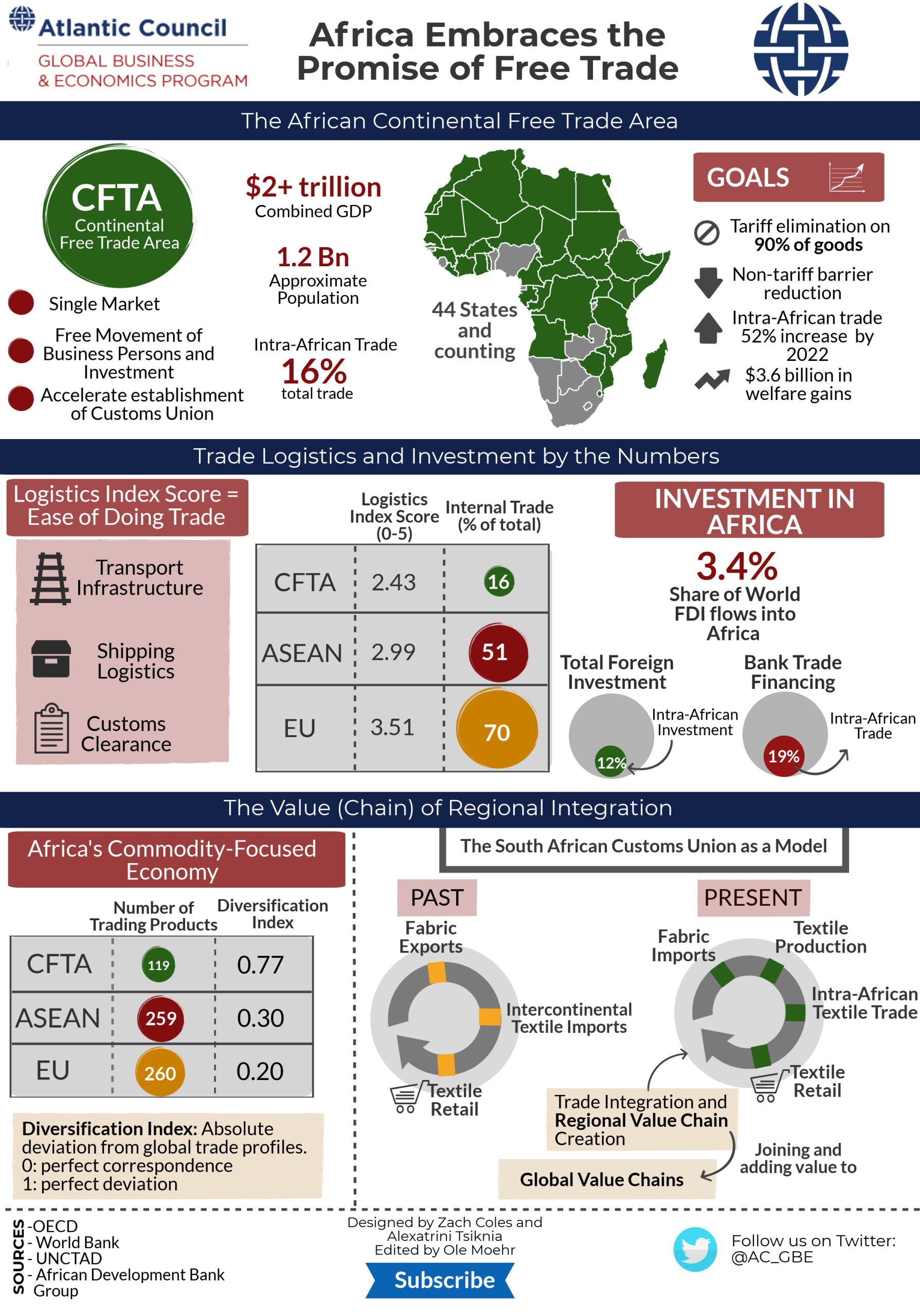
Meanwhile, expectations for the African Continental Free Trade Area (AfCFTA) remain high. However, regional trade integration may not be very beneficial, as SSA exports are more competitive than complementary.


