The Rise of Mexican Cuisine in the UK
Living in multicultural Britain, we’re lucky to have access to scores of different cuisines on our doorstep—and Mexican food is rapidly becoming a firm favourite. A recent poll by YouGov explored Britons’ preferences for Mexican dishes, with fajitas, chilli con carne and nachos making up the top three choices.
For decades, most people’s experience of Mexican food came from using meal kits from brands such as Old El Paso, but over the past five years there has been an explosion in Mexican restaurants and takeaways springing up across the UK. Figures released by RenTech Digital pinpoint over 800 Mexican restaurants in England alone. Some of the brands becoming familiar staples on the High Street are US chains Chipotle and Taco Bell, plus homegrown brands Wahaca, Chiquito, Tortilla and Las Iguanas. There are also scores of independent eateries, food trucks and pop-ups bringing the vibrant and flavoursome tastes of Mexico to the much gloomier shores of Britain.
Nutritional Benefits of Traditional Mexican Dishes
We know Mexican food tastes great, but is it actually good for us? Leading London Nutritionist Lily Soutter says its focus on fresh ingredients and fibre-rich beans and rice means it can be—but there are some American-favoured ‘Tex-Mex’ dishes which should only be enjoyed in moderation.
She told the Daily Mail: “Ingredients used in traditional Mexican cuisine are often fresh, flavourful, and nutritionally dense.”
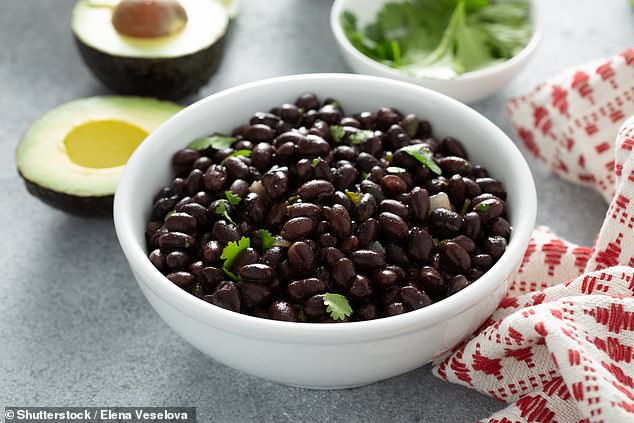
- A variety of beans are commonly used in Mexican meals and are an excellent source of plant-based protein.
- Corn is another popular carbohydrate source and is naturally gluten-free.
Another poll by YouGov found that Mexican food is popular with vegetarians, and when you consider how the meals are typically served, with ruby red tomato salsas and vibrant green guacamole, it’s not hard to see why.
- Many dishes are accompanied by fresh salsa, typically made with tomatoes that are a source of heart-friendly lycopene and vitamin C.
- Salsas are often low in calories yet full of nutrient-dense ingredients like coriander, onion, garlic, chilli, and lime juice.
- Avocado is frequently featured in Mexican cuisine, particularly in dishes like guacamole. It is low in saturated fat but high in heart-healthy monounsaturated fat, as well as vitamin E, fibre, potassium, and folate.
- This cuisine also incorporates a variety of flavourful herbs and spices, such as garlic, coriander, cinnamon, cumin, and oregano, which are rich in plant compounds with antioxidant benefits.
And you can make your dinner pack an even bigger nutritional punch if you dare to try a hotter dish, or ask for your order to come with some extra spice.

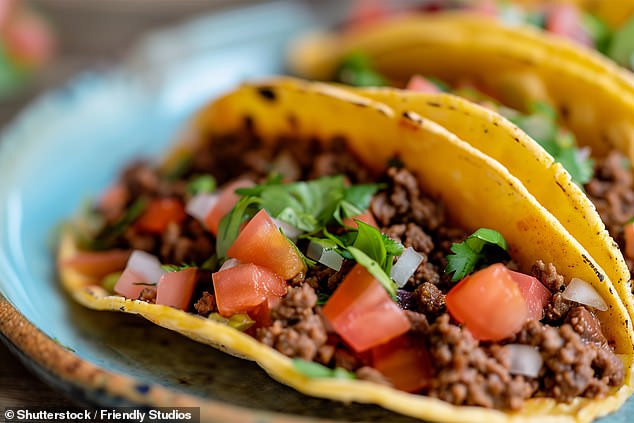
Ms Soutter said: “Many people consider Mexican dishes to be spicy, primarily due to the abundant use of chilli peppers. These peppers contain a special plant compound called capsaicin, which is responsible for their fiery kick and has been shown to have antioxidant properties.”
Another surprising ingredient—chocolate—brings extra depth and goodness to some dishes, both sweet and savoury.
“Research suggests that cocoa flavonols (a type of antioxidant found in plants) may offer health benefits, such as helping to maintain the elasticity of blood vessels, which contributes to normal blood flow,” she added.
When we think of Mexican dishes, a platter of sizzling beef or chicken fajitas is what usually springs to mind, but in Mexico, protein sources are much more varied.
Ms Soutter explained that traditional Mexican cuisine also includes edible insects, such as crickets, which have been a staple of their diet since the mid-16th century, before the arrival of the Spanish conquistadors. The most famous cricket dish is called chapulines, and sees the handfuls of the carefully cleaned insects roasted on a large skillet, sometimes with chilli, garlic, and lemon.
“This practice has garnered attention from other parts of the world due to the insect’s high protein content and their potential as a more environmentally sustainable source of protein compared to traditional animal sources,” she said.
Healthiest Choices on a Typical Mexican Menu
If reading this has got you in the mood for a vibrant, guacamole and bean-packed dinner, below you’ll find the healthiest choices on a typical Mexican menu.
Grilled chicken & avocado tacos with salsa
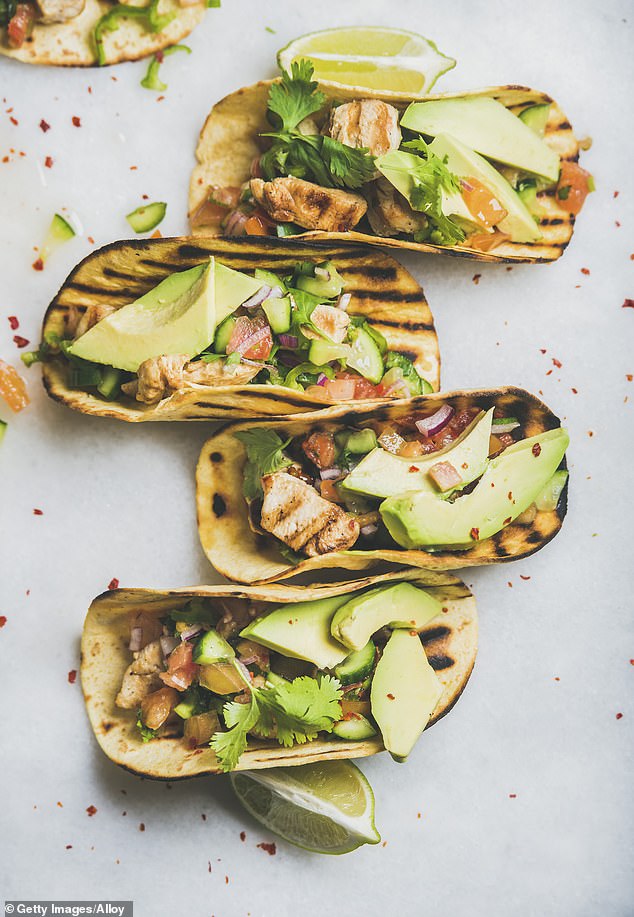
When choosing what to eat from a restaurant or takeaway, the cooking method is key, with grilled dishes often containing less fat than their deep-fried counterparts.
Ms Soutter said: “Grilled chicken is an excellent source of protein and B vitamins, while avocado provides fibre and healthy monounsaturated fats. Served in soft corn tortillas, these tacos offer a good source of carbohydrates, and the salsa adds a nutrient-dense and flavourful kick. Furthermore, grilled tacos can be served in smaller sizes, making it easier to portion control.”
Fajitas
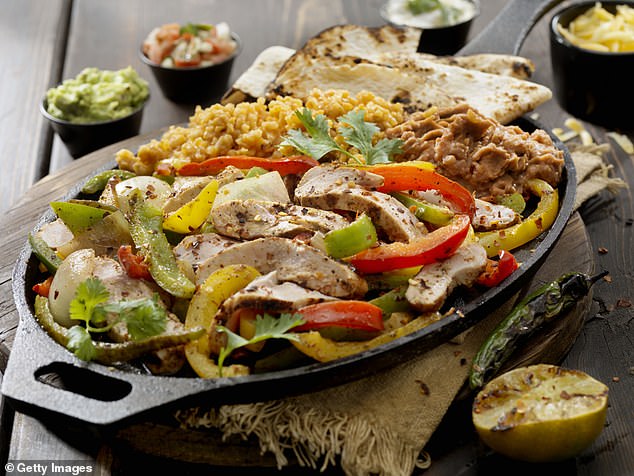
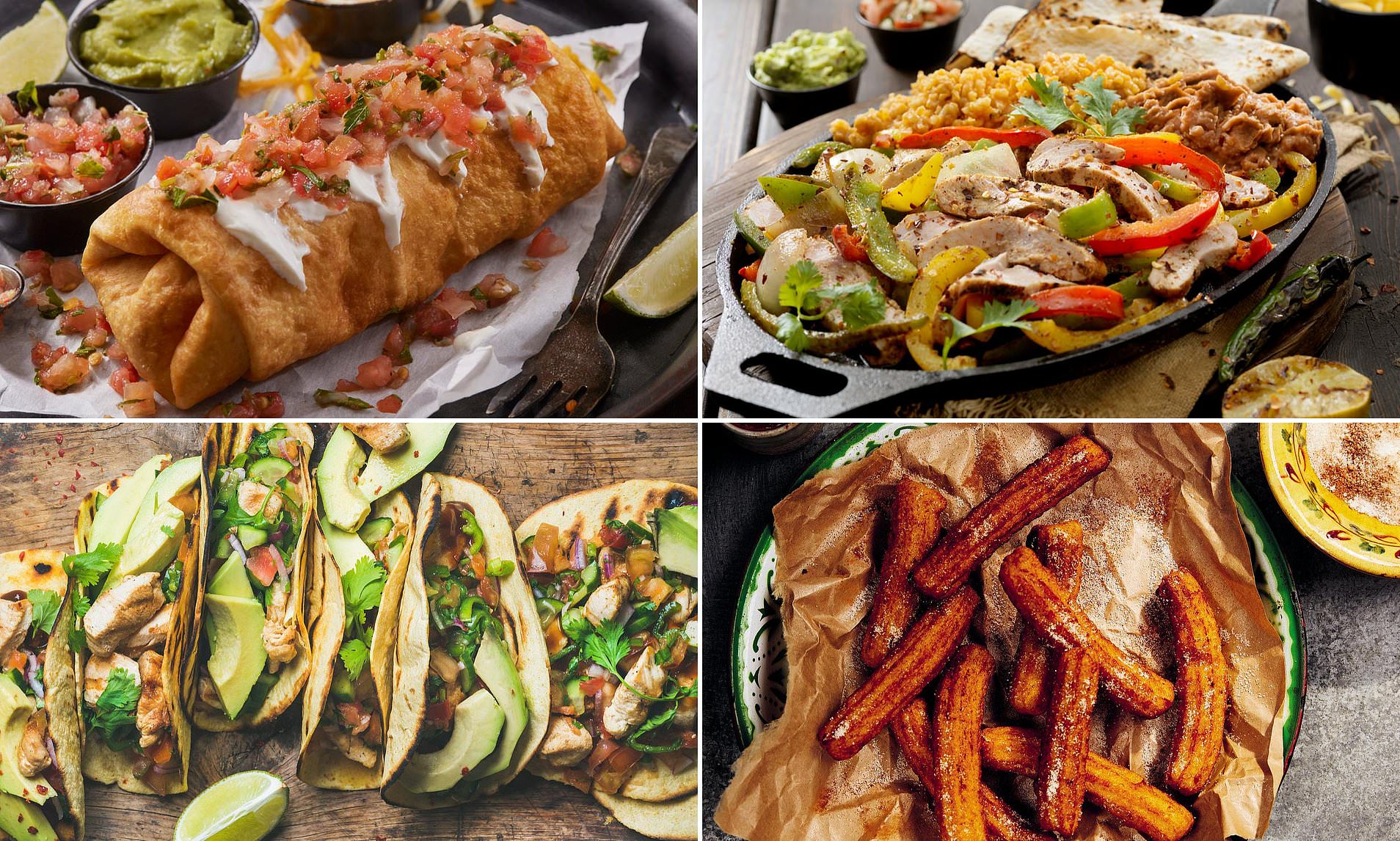
The ‘DIY’ aspect of fajitas means that they are highly customisable, which is great news for people looking for a protein-rich meal which doesn’t scrimp on taste.
“You can choose lean meats or fish like chicken or prawns, along with plenty of vegetables such as peppers,” said Ms Soutter. “Fajitas are typically served with vegetables like peppers and onions, along with guacamole. You can choose to skip the sour cream and cheese, which makes the dish lower in fat, saturated fat, and salt.”
Pozole
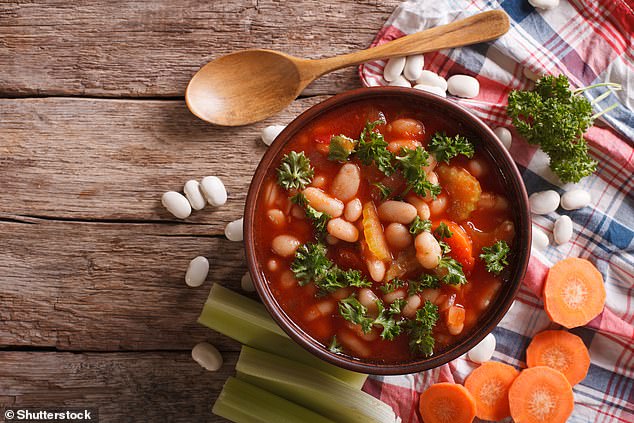
There’s more to Mexican cuisine than sizzling meat and veg encased in a soft, floury tortilla—some of their soups and stews are incredible.
“Pozole is a traditional Mexican stew that typically includes meat, vegetables, broth, and hominy, which is a corn-based ingredient. It’s often topped with avocado, chillies, lettuce, lime, and cabbage,” explained Ms Soutter. She added that generally, pozole is nutritionally balanced, providing protein, a source of carbohydrates and fibre-rich veggies; however, some versions can be high in salt, so that’s something to keep in mind.
Burrito bowl
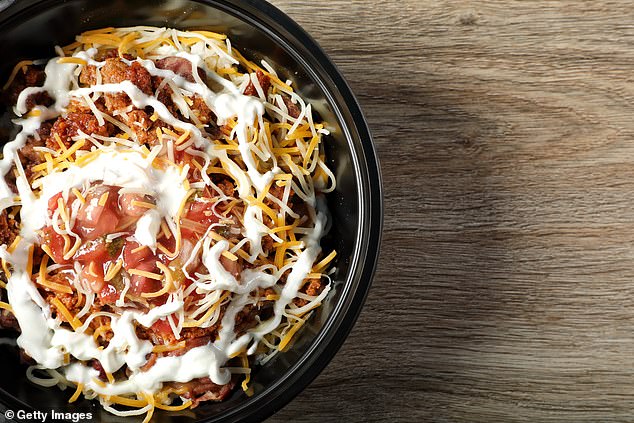
Just like a bun-less burger, a burrito bowl lets you enjoy the meaty, cheesy goodness of the dish with far less carbs and calories.
Guacamole

One of the most famous Mexican dishes, guacamole is often served as a starter or as an accompaniment to a dish. For a veggie-packed option, substitute tortilla chips with crudités.
Ms Soutter said: “Guacamole is high in monounsaturated fats, low in saturated fat, and full of fibre, potassium, and folate. There’s about 50 calories in two tablespoons of guacamole.”
Less Healthy Options on a Typical Mexican Restaurant Menu
In the name of balance, we also asked Ms Soutter to outline the less healthy options on a typical Mexican restaurant menu… and it’s bad news for people who love oozing, melted cheese…
Chimichanga

We’ve learnt that a burrito can be made healthier by serving it in a bowl, but at the other end of the spectrum are chimichangas. These are deep-fried burritos, served with additional sour cream and guacamole on the side, and can be a whopping 810 calories a serving, with more than 40g of fat.
Churros with chocolate sauce
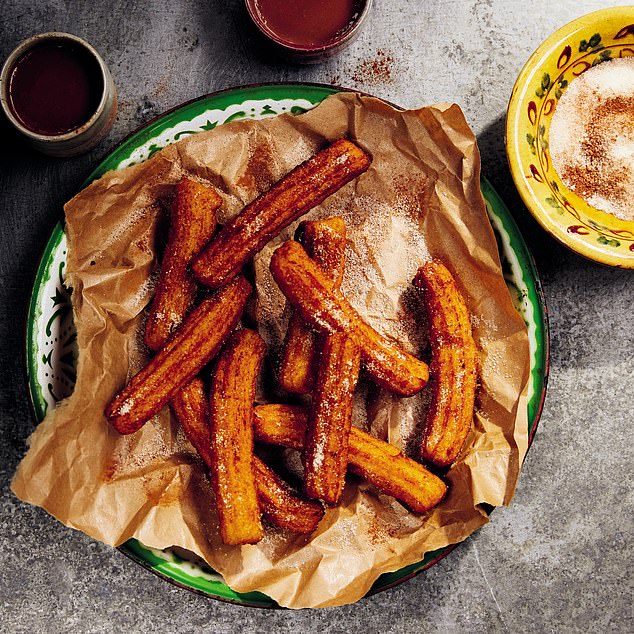
Another deep-fried item has made it on to the less healthy end of our Mexican menu list—churros. This classic Spanish dessert combines sticks of deep-fried doughnuts with a thick dusting of sugar and some molten, rich chocolate to dunk them in.
Nachos
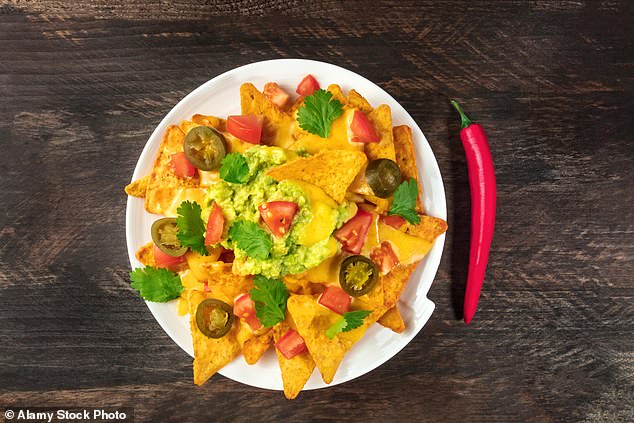
You don’t need to venture far—or even to a Mexican restaurant—to dig into a big platter of nachos, they’re a staple on menus at pubs and bars across the UK. This dish features fried tortilla chips, typically topped with ingredients high in saturated fat, such as sour cream and cheese. It can also be high in calories and salt from tortilla chips, cheese, and seasoned meats.
Quesadilla
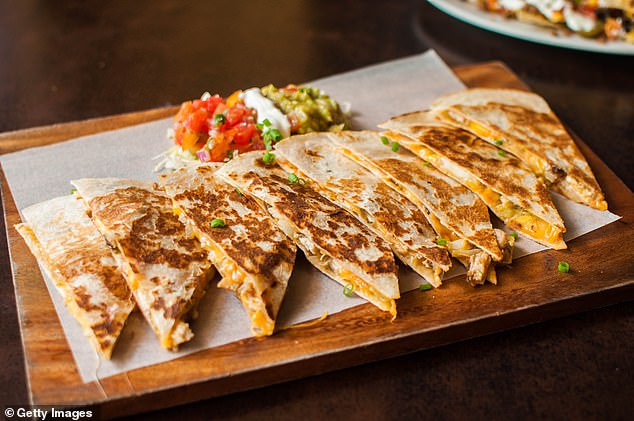
A quesadilla—a dish made from packing cheese and sometimes meat between two flour or corn tortillas and frying them—is a Tex-Mex staple, but Ms Soutter warns that they shouldn’t be a regular order.
Refried beans
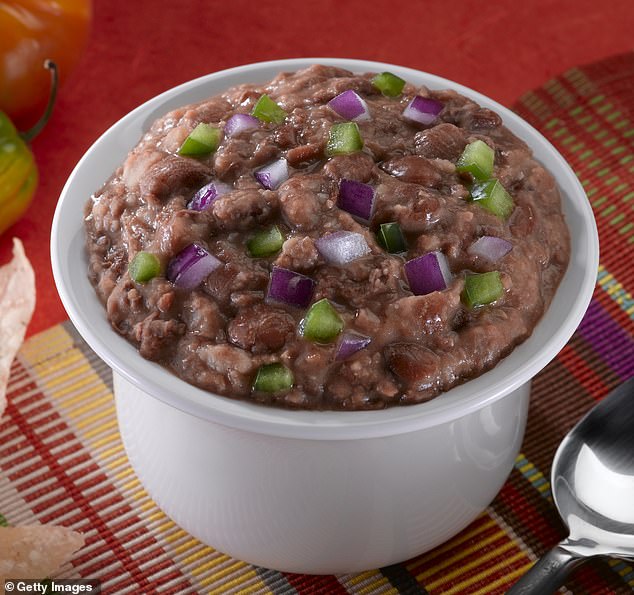
Rounding off the unhealthiest list are refried beans—which might surprise people who know of beans’ natural superfood properties.
Ms Soutter said that it all comes down to how they are prepared, and what is added to them. She said: “While beans are generally healthy, refried beans are often made with added salt and lard. Although many people believe these beans are ‘fried’, they are actually cooked and softened into a paste. At this stage, lard is usually added, substantially increasing the saturated fat content.”