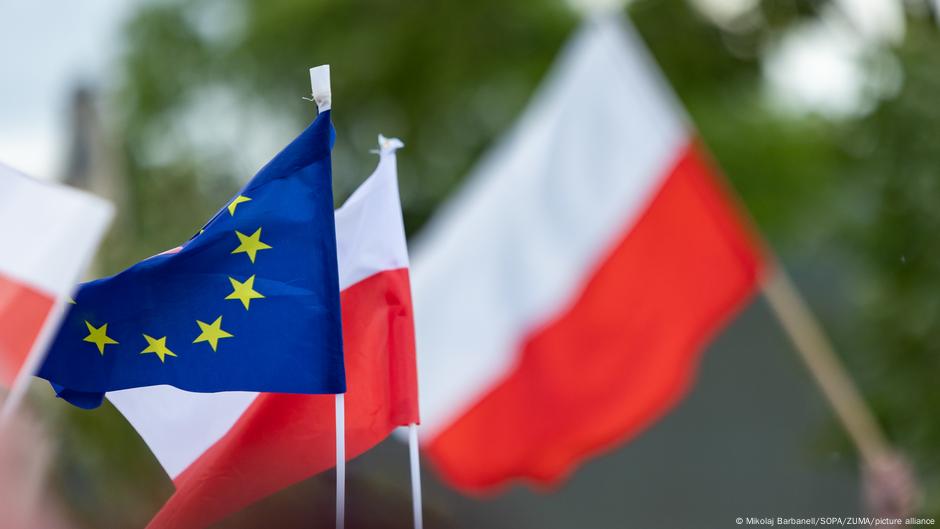
Poland’s Economic Resilience in the EU
In a period marked by economic challenges across the European Union, one nation stands out as a beacon of growth and stability: Poland. While many EU countries struggle with stagnation or even contraction, Poland continues to post impressive economic results, offering valuable lessons for the rest of the bloc.
Strong GDP Growth and Positive Outlook
Poland’s GDP growth rate reached nearly 3% in 2024, significantly outpacing the overall EU average of 1%. This performance surpassed that of France, which recorded a growth rate of 1.2%, and Germany, which experienced a slight contraction of -0.2%. For 2025, the outlook remains positive, with Poland recording a 0.8% growth in the second quarter—the fifth best rate in the EU. Analysts forecast around 3.3% growth for this year, with a similar rate expected for next year.
This consistent growth is not a recent phenomenon. Since joining the EU in 2004, Poland has maintained an average annual growth rate of almost 4%, with the pace accelerating over the last decade. The country’s stock market has also seen a surge, and optimism is growing about its potential to become one of the EU’s most robust and dynamic economies.
Key Factors Behind Poland’s Success
Several factors contribute to Poland’s economic success. Jacob Funk Kirkegaard, a nonresident senior fellow at the Peterson Institute for International Economics, notes that while other Eastern European and Baltic states have also experienced growth, Poland’s size sets it apart. With a population of 37 million, Poland is the fifth-largest country in the EU, and its economy ranks just inside the top 20 globally in terms of GDP.
Poland’s strategic importance extends beyond economics. The country has significantly increased its defense spending, now ranking first in NATO in terms of the share of GDP allocated to defense, currently around 4.5%. Much of this spending goes toward overseas orders rather than domestic production, but Rzentarzewska highlights that Poland’s growth is largely driven by private consumption within the country.
Domestic Market and Economic Stability
The strength of Poland’s domestic market is evident in its low unemployment and strong real-wage growth. This internal demand provides a buffer against external shocks, making Poland relatively resilient during global downturns. As Rzentarzewska explains:
“When you see a global downturn, then obviously first to be hit are the smaller, export-oriented economies because that’s how the value chain works. In Poland’s relatively closed economy, consumption remains strong.”
Integration into the EU and Beyond
Poland’s successful integration into key international organizations such as the EU, NATO, the Schengen Area, and the OECD has played a crucial role in its development. Rzentarzewska emphasizes that Poland’s approach to integration has been particularly effective, despite not adopting the euro.
Access to EU funding since 2004 has been a major driver of growth, with significant investments in infrastructure and improvements in governance. Kirkegaard agrees, stating that Poland has “gotten the basics right” by eradicating corruption, creating a welcoming business environment, and maintaining a well-educated workforce.
Political Challenges and Fiscal Concerns
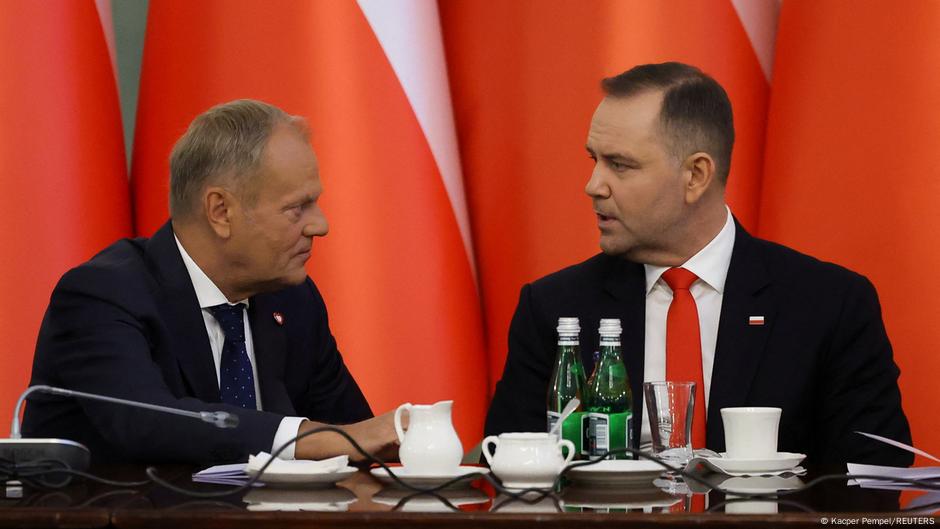
Despite its economic achievements, Poland faces political challenges that could impact its future trajectory. The country has experienced division between a right-wing bloc led by the Law and Justice party and a liberal, center-left bloc led by Prime Minister Donald Tusk’s Civic Coalition. Tusk’s victory in the 2023 parliamentary elections was seen as favorable for securing long-term EU funding, given past disputes with Brussels under the previous administration.
However, the election of Karol Nawrocki, a eurosceptic candidate supported by Law and Justice, raised concerns about Poland’s future relations with the EU. Tusk managed to secure €137 billion in funding from the European Commission, contingent on aligning Poland’s justice system with EU norms.
Balancing Growth and Fiscal Responsibility
While Poland’s growth is impressive, it comes with fiscal challenges. Extra welfare spending, including child benefits introduced by the Law and Justice party, has contributed to economic growth but also tightened the fiscal situation. According to recent plans by Finance Minister Andrzej Domański, Poland’s government deficit is expected to reach 6.5% of GDP in 2026.
Rafal Benecki, chief economist for Poland at ING, notes that while ratings agencies and investors remain optimistic, a convincing fiscal adjustment plan is needed to maintain confidence. Rzentarzewska emphasizes the need for fiscal consolidation, which may slow growth but is essential for long-term stability.
A Model for the Future
Despite these challenges, the current mood of confidence in Poland is justified. Low unemployment, strong consumer confidence, and high productivity all contribute to a positive economic sentiment. Kirkegaard believes that if Germany fails to reform itself, Poland could eventually surpass it, becoming the economic powerhouse of Europe.