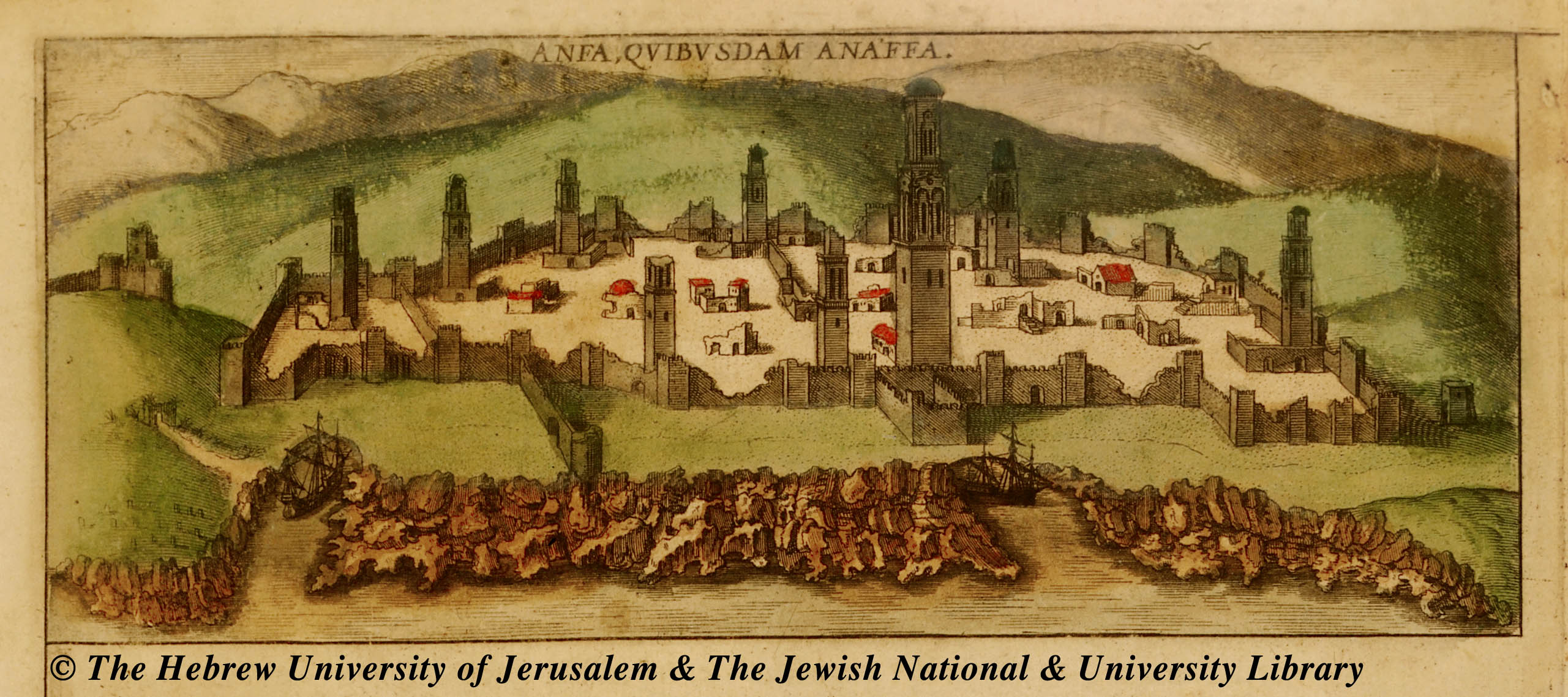
The Historical Journey of Anfa: From Ancient Berber Town to Modern Casablanca
Throughout the long centuries of history, the ancient city of Anfa has endured various foreign conquests and transformations. Today, known as Casablanca, this coastal town was once a significant part of North Africa’s rich historical tapestry. Anfa, which means “little hill” in the Berber language, was founded in the 10th century B.C. and has been shaped by the influences of Berbers, Romans, and later, the Portuguese.
The Roman Influence on Anfa
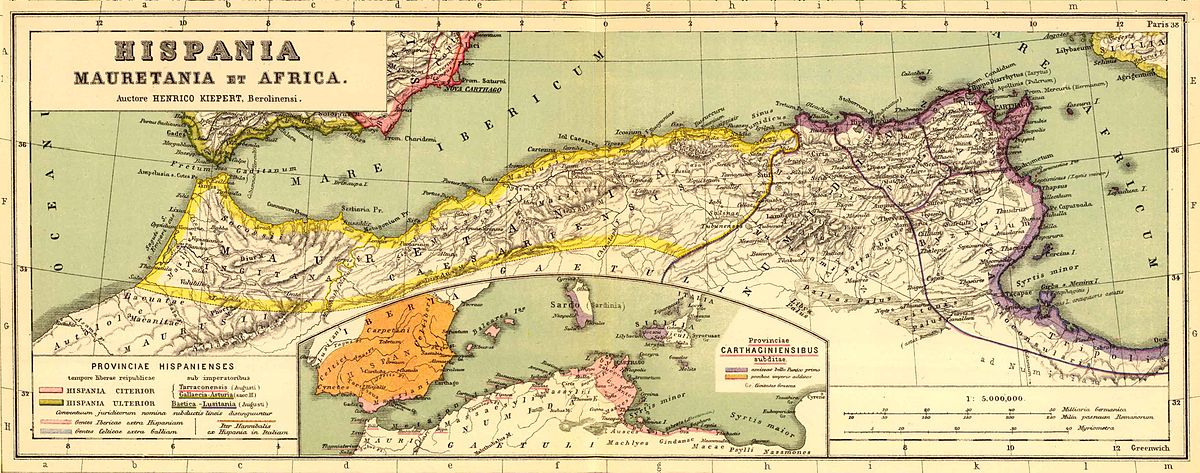
The northern part of Morocco, including the area that would become Anfa, was inhabited by semi-nomadic Berber shepherds. Around 800 B.C., Phoenician villages began to establish commercial settlements along the Mediterranean coast, blending with the local Berber population. This period marked the rise of Carthage in 814 B.C., which eventually became a powerful empire extending across the Iberian Peninsula and parts of North Africa.
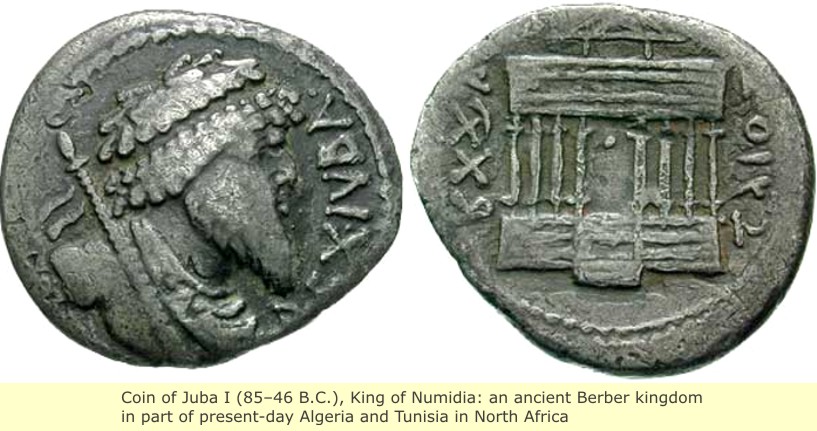
The Roman Empire expanded into the northern regions of Africa, including Mauretania, around 15 B.C. During the reign of Octavius Augustus, the first Roman emperor, the port of Anfa was established, becoming an important link between the region and Mogador (now Essaouira). It is believed that Juba II, a Berber king, embarked on an expedition to the Canary Islands from the port of Anfa. The Romans referred to the city as Anfus when Mauretania was a client-state of the Roman Empire.
Anfa was part of the Roman province of Mauritania Tingina, created after Emperor Claudius divided the kingdom into two provinces. The city maintained trade and commercial ties with Volubilis until the 5th century A.D.
The Vandal Conquest
In the 5th century A.D., the Roman Anfa fell to the Vandals, an East Germanic tribe that had migrated from southern Scandinavia. Their conquest marked a short but dramatic interlude in North African history. According to historian Barnaby Rogerson, the Vandals expelled Roman landlords and granted their estates to Vandal warriors, who became the ruling class. Little is known about how Anfa recovered from this conquest, but in 744, the Berber kingdom of Barghawatas settled near the Bou Regreg River, south of the Roman port.
The Portuguese Attack and Decline
By the 15th century, Anfa came under threat from the Portuguese. Historian Barnaby Rogerson notes that the Portuguese attacked the city in 1486 and 1515, and occupied it from 1575 until the Lisbon earthquake of 1755. Paul Puschmann, an assistant professor at Radboud University, explains that the Portuguese aimed to eliminate local pirates. Although they did not occupy the medina, the local population abandoned the town, turning it into a ghost town.
Anfa remained abandoned until 1770, when Sultan Mohammed ben Abdallah initiated efforts to revive the city. Puschmann highlights that three centuries passed before Anfa rose from its ruins, thanks to the sultan’s military plans to free the Moroccan Sultanate from foreign invaders.
The Rise of Dar el Beida
Under the rule of Sultan Mohammed ben Abdallah, who reigned from 1757 to 1790, Anfa was protected from foreign attacks and experienced a revival. The sultan built high city walls, stationed a garrison in the Medina, and constructed a mosque, a koranic school, public bathhouses, and mills. He also repopulated the city with Chleuh Berbers from the Essaouira region and the environs of Meknes.
It was during this time that the city was renamed Dar el Beida, a name that still exists today. While Europeans increasingly referred to the city as Casablanca, the original name Anfa now refers to a district within modern Casablanca.
Today, Casablanca is recognized as an international economic hub, hosting numerous multinational companies and boasting one of the busiest ports in North Africa. Its historical journey from the ancient city of Anfa to the modern metropolis reflects the resilience and adaptability of the region through the ages.


