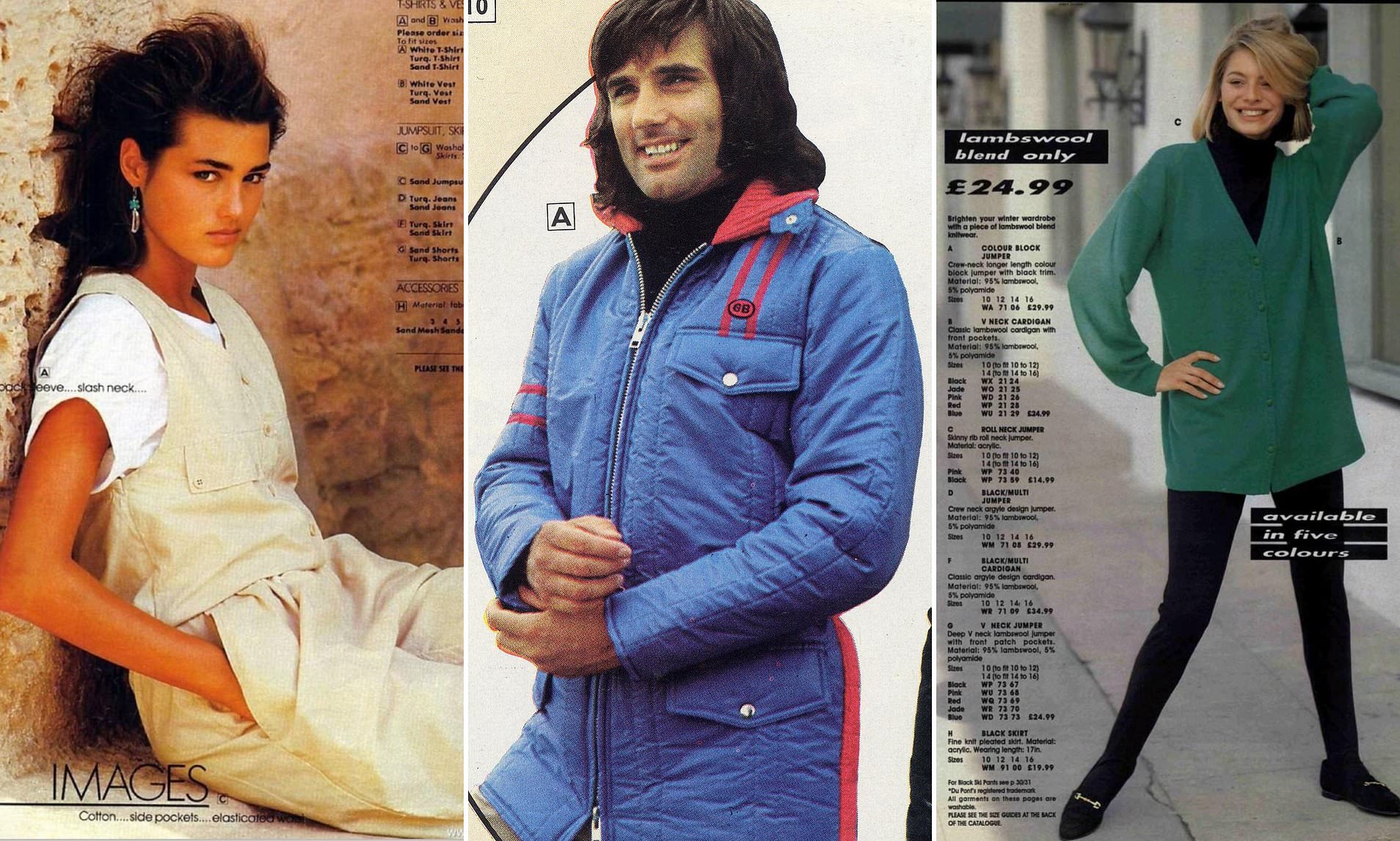
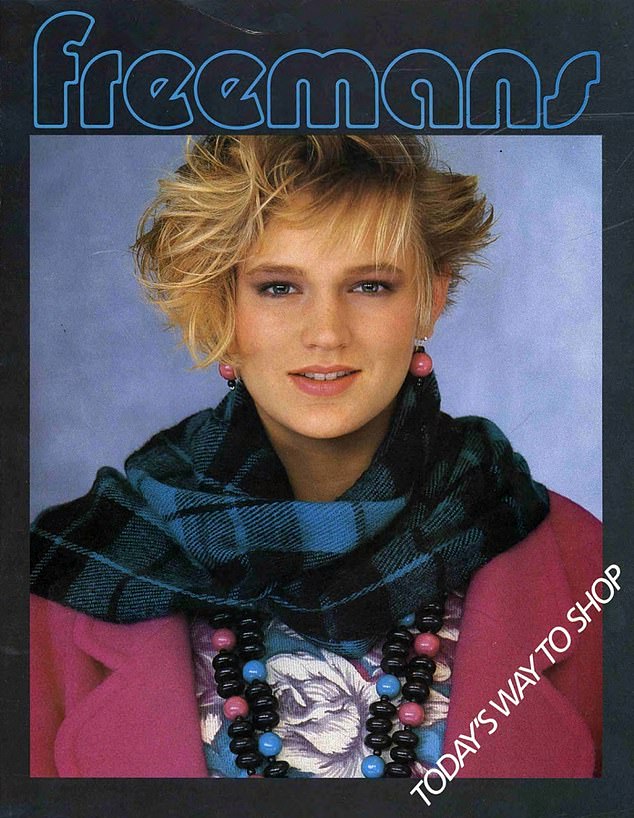
- The Freemans catalogue started in 1905 and continued until 2023
With more than 1,000 pages of fashion, beauty essentials, toys and household items and the appealing perk of paying for your purchases in installments, it’s no wonder the Freemans catalogue was once the cornerstone of Christmas in so many households.
Browsing the hefty tome to find the latest designs and circling your most-wanted items is a festive ritual many will remember – with the scent of the fresh paper and ink and the weight of the book all adding to the enjoyment.
Established in 1905, the enormous Freemans catalogue was at the height of its success in the 70s and 80s and was delivered to the doormats of over two million homes twice a year.
It featured an array of stars, including Twiggy, Lulu, Yasmin Le Bon and Tess Daly modelling the latest fashions, and was once the go-to source for brands that are still popular today including Adidas, Nike and French Connection.
However, in September 2023, the brand ceased printing its physical catalogue after 118 years – making it the last of the big mail-order giants to do so.
At the time, Ann Steer, the company’s CEO, said: ‘The Freemans catalogue was a national institution. It was the UK’s biggest and the best store catalogue and has served generations of families. However, we need to move with the times, in response to how customers are shopping these days.’
Read on to rediscover some of the most popular fashions featured within the hallowed pages, and see how many you remember unwrapping on December 25.
1960s
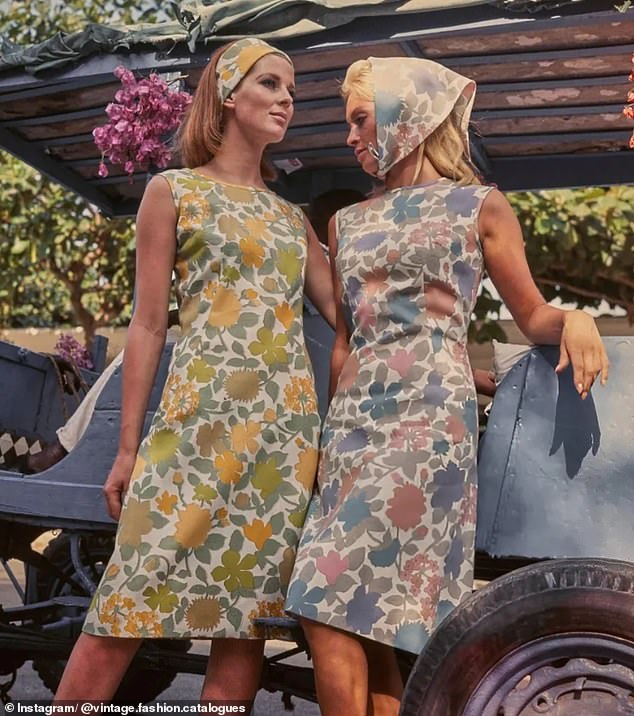
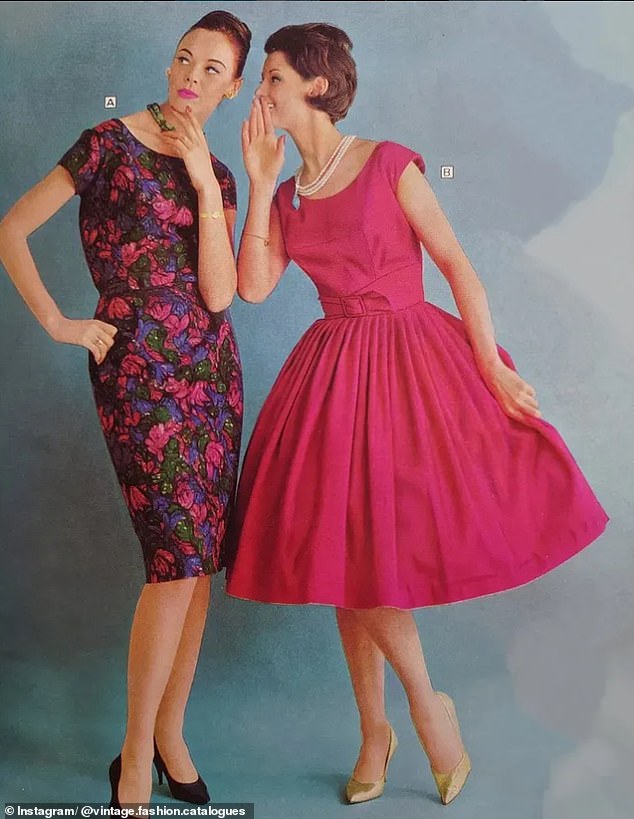
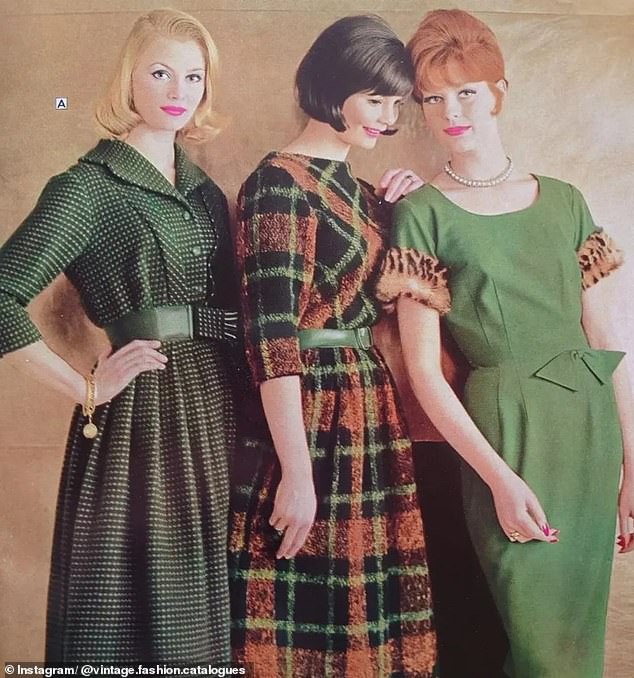
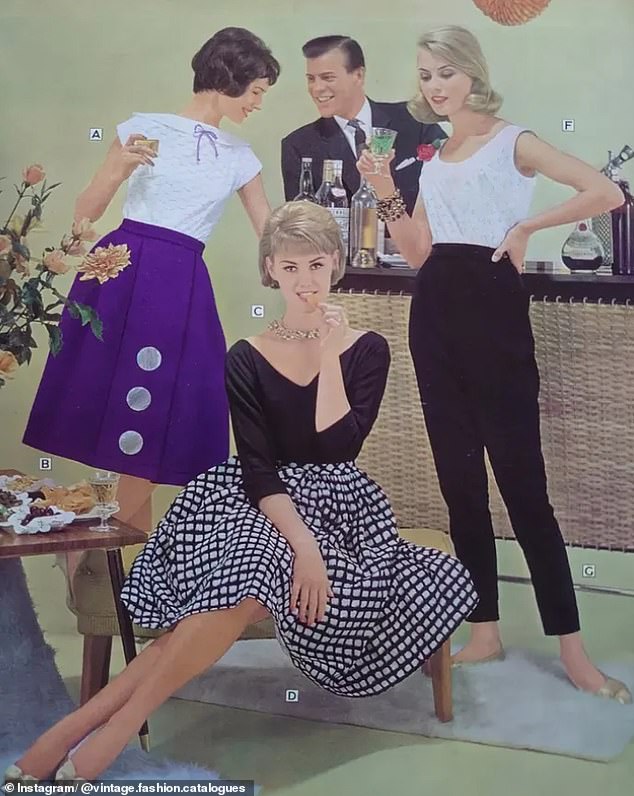
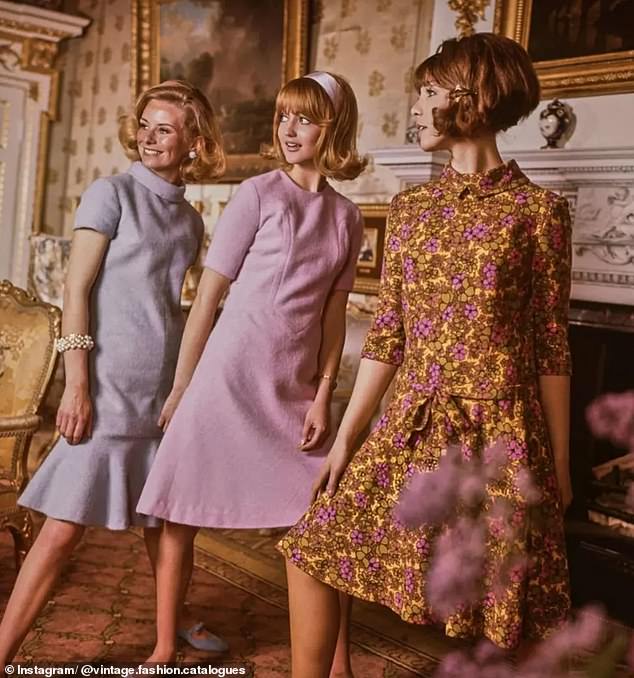
Although the Freemans catalogue was produced in 1905, the brand experienced rapid growth in the 60s.
Riding off the post-war boom of the 50s, the brand grew to be one of the biggest retailers, competing with the leading department stores of the day, and in 1963, it went public.
One year later, in 1964, Freemans installed its first computer in its Bradford-based head office.
In addition to modernising operations, sales were at an all-time high, thanks to the brand’s trendy designs, from fur-lined dresses to more everyday ensembles.
British supermodel Twiggy, one of the most famous of her generation, also helped to promote the brand by appearing on the catalogue’s pages, helping to bring a more boutique feel to Freemans.
Given the increase in sales, Freemans grew its supply chain and opened an automated distribution centre in Peterborough, which was, at the time, the largest warehouse in Europe.
Freemans also became the first company to post goods to shoppers in plastic packaging in the 60s.
The catalogue itself also grew, reflecting a thriving consumer market, with almost 700 pages in the 1963-64 edition, which also featured the introduction of household gadgets and appliances.
1970s
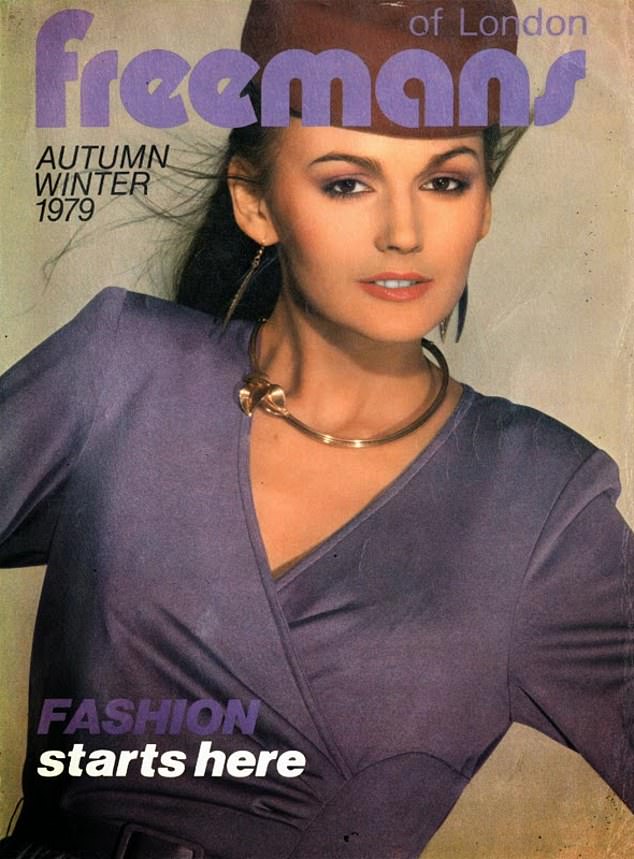
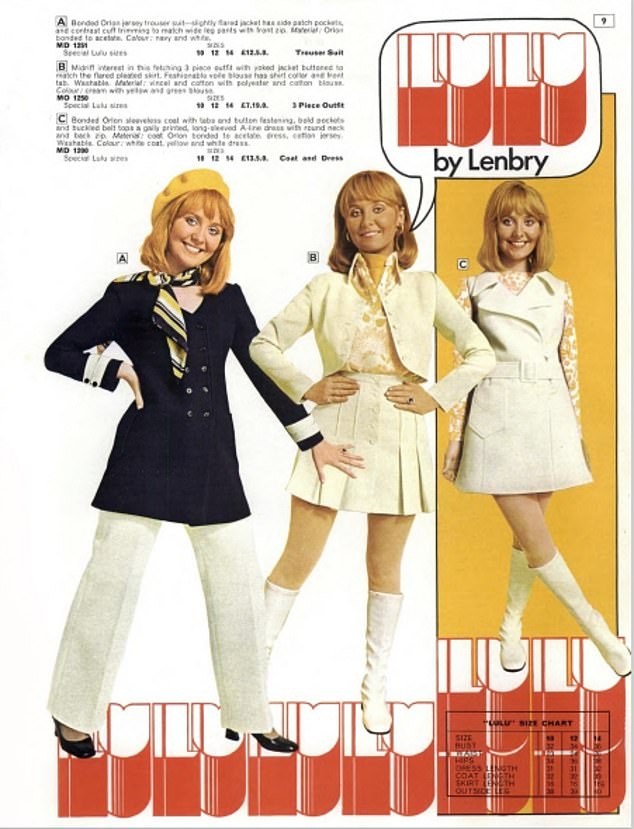
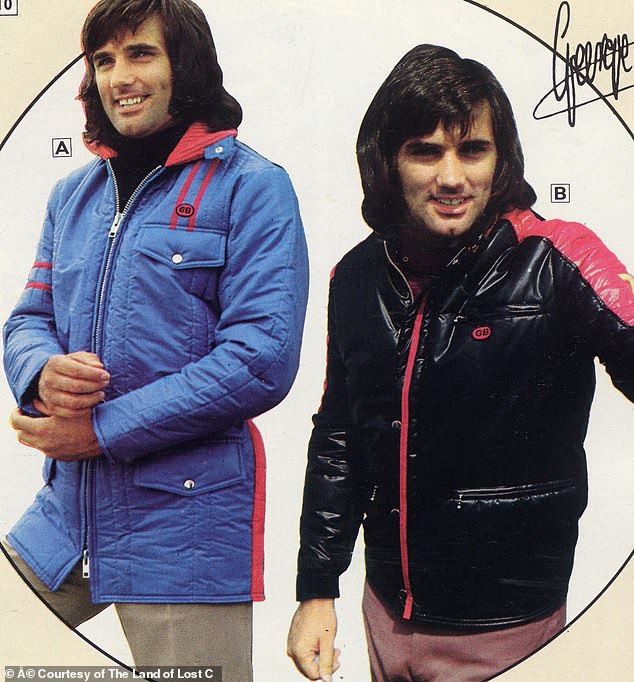
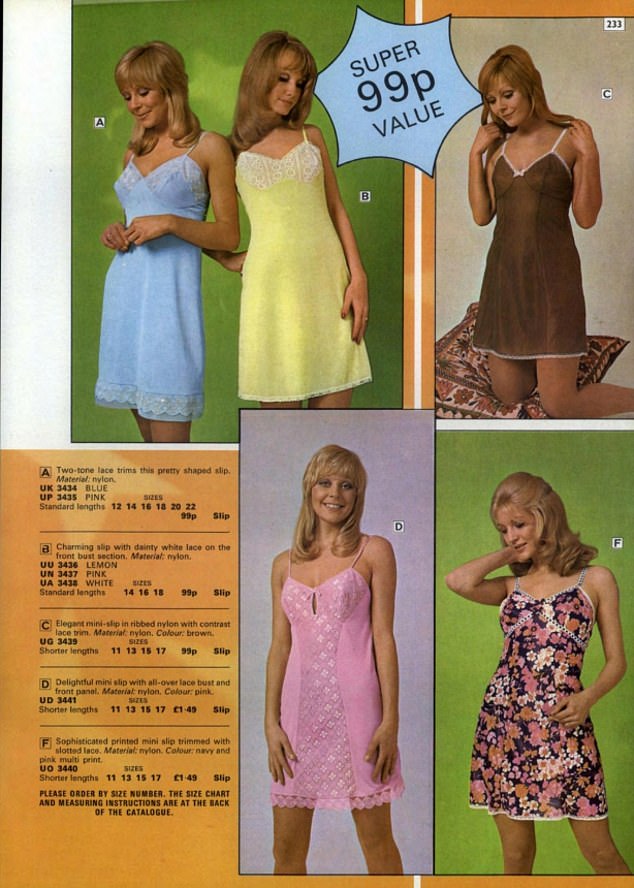
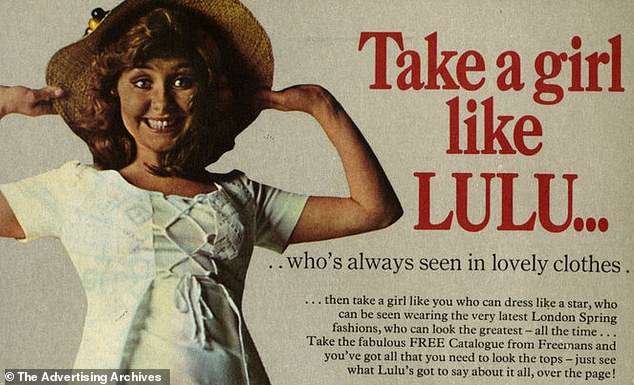
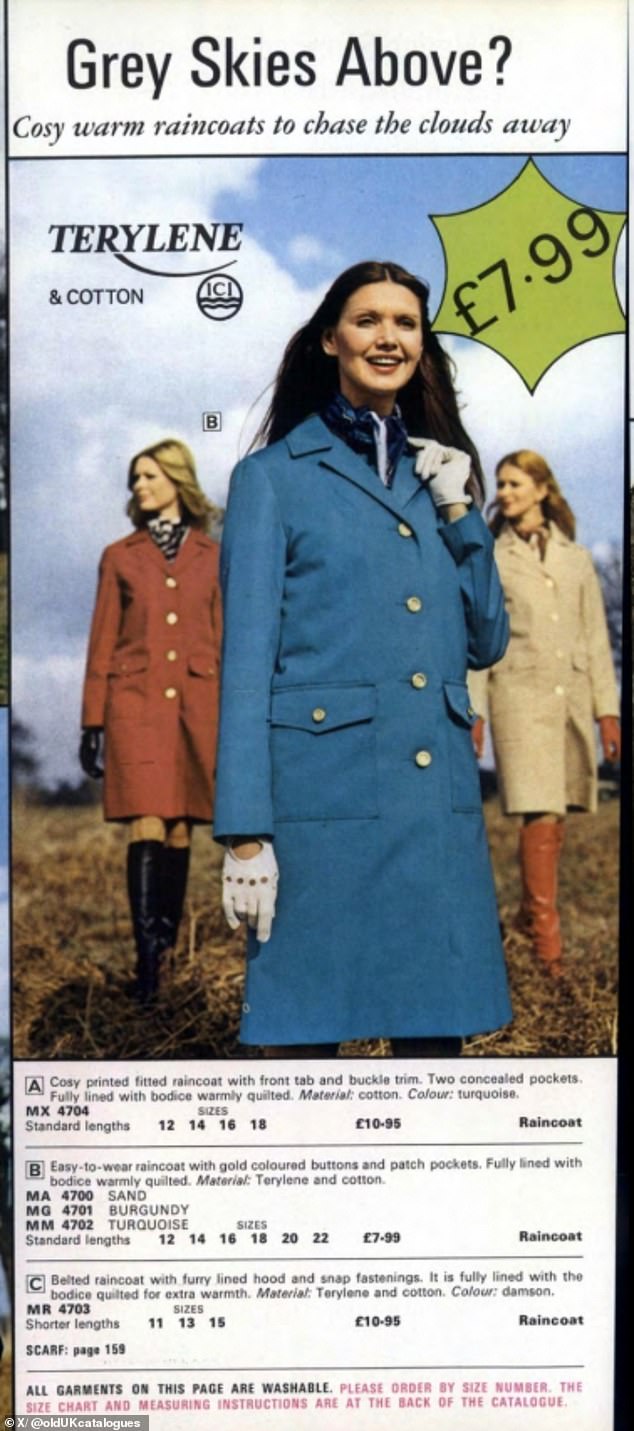
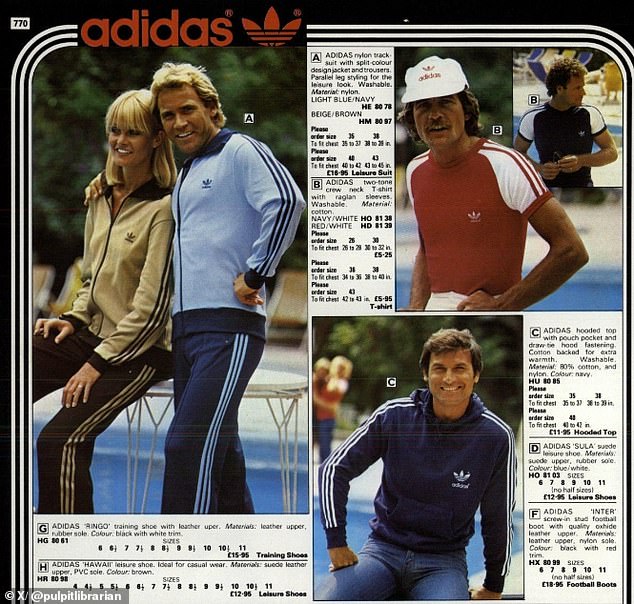
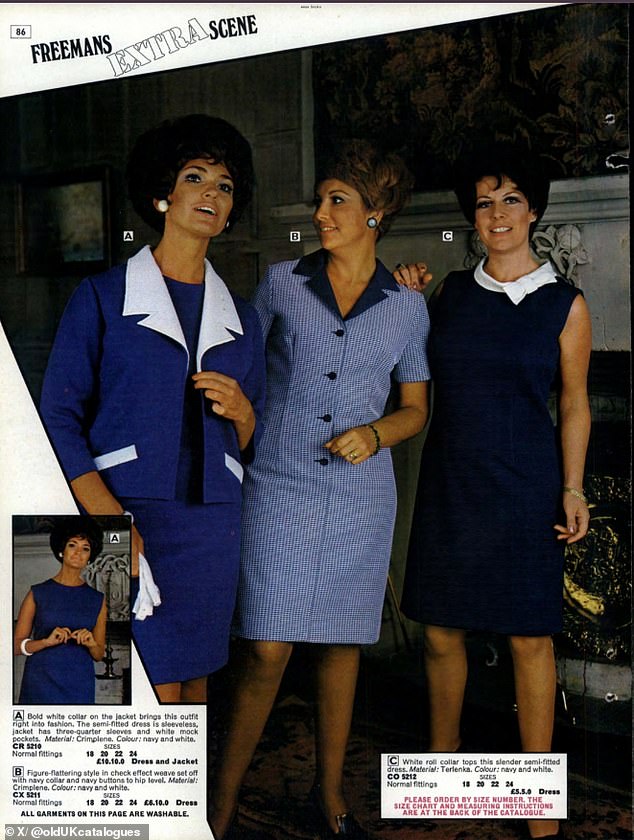
The Freemans catalogue went from strength to strength, and by the 70s, it started to hit its peak.
By that time, the catalogue was established as a one-stop destination for shoppers looking to get their hands on the latest designs, with everything from flared trousers to patterned shirts on offer.
Clothes sold by the ‘fashion bible’ in the 70s reflected the changing times, with bikinis replacing swimsuits and the introduction of items such as brightly coloured maxi dresses and bell-bottomed trousers.
Agents, known as ‘catalogue ladies’ at the time, would visit households to collect orders and cash payments.
In 1979, innovation at Freemans saw the brand become the first home shopping company in the UK to introduce a telephone ordering service for its agents.
A credit option also made purchasing easier, with shoppers allowed to spread the costs of their new items over several months.
With shopping at an all-time high, Freemans employed a string of famous faces to help push sales, including singer Lulu, who featured as a cover star and modelled her own range made in collaboration with the brand.
Belfast-born footballer George Best, known for his finesse on the pitch and his model good looks, also starred in the catalogue, consolidating his status as football’s first fashion icon.
Actress Wendy Craig, known for her appearances in sitcoms And Mother Makes Three and Not In Front Of The Children, also modelled for the company during the 70s.
1980s
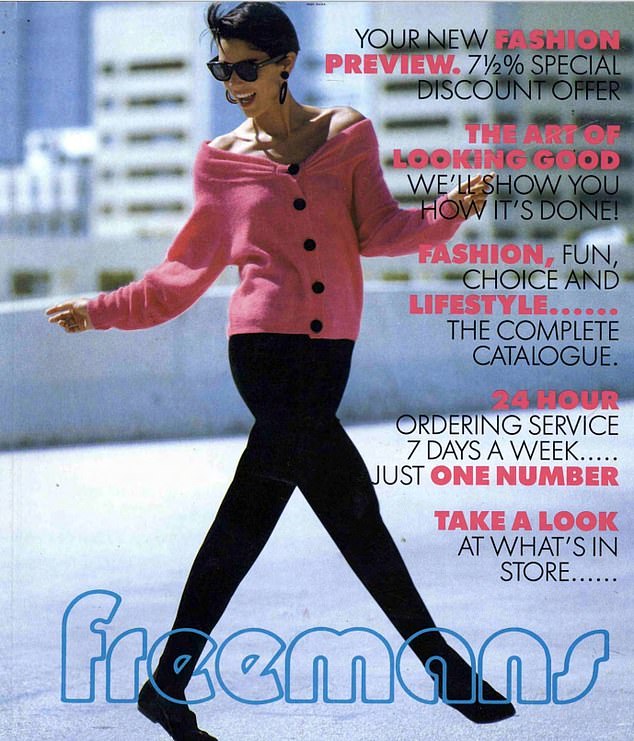
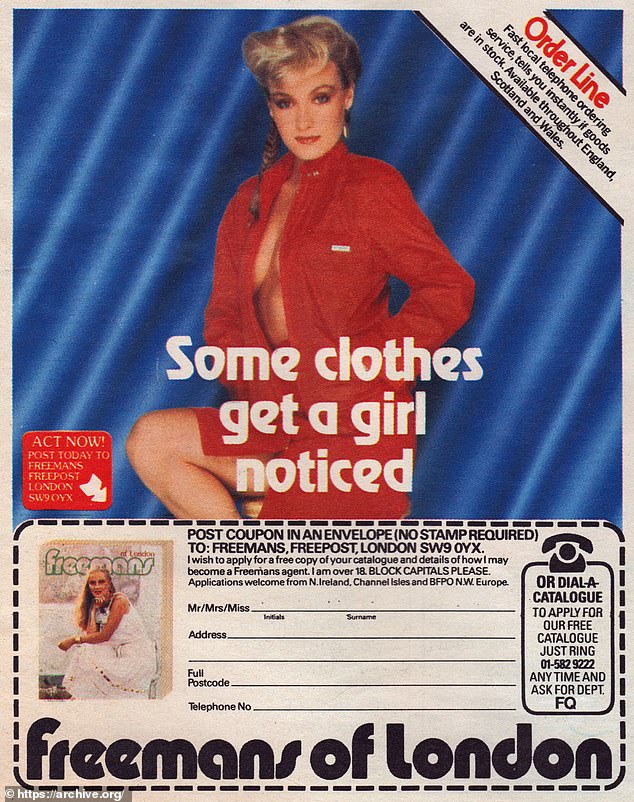
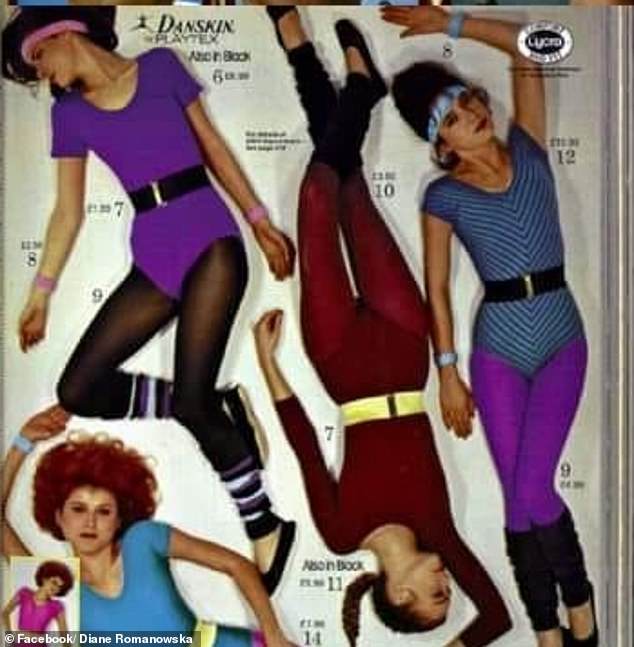
The Freemans catalogue boom continued throughout the 1980s, during which time it ran to over 1,000 pages and thudded onto the doormats of two million-plus homes twice a year.
At the same time, there were over 800,000 agents working to collect orders on behalf of the brand.
Designs sold at the time were quintessential 80s items, from Del-Boy style sheepskin jackets for men to leggings, spandex, and dresses with shoulder pads for women.
In a sign of the times, male models could be seen smoking cigarettes or puffing on a pipe while showcasing the clothes.
Celebrity collaborations continued in the era: model and actress Lorraine Chase promoted her eponymous collection, while Yasmin Le Bon also secured her first major modelling campaign of the 80s with Freemans.
By 1988, Sears plc acquired Freemans, making it one of the country’s largest retail organisations.
Jackie Barrie, who worked as a copywriter at Freemans from 1983 to 2000, told The Sun that the 80s were the ‘peak’ for the company.
She said: ‘Freemans was a huge company and things were quite glamorous, with the photoshoots and the buying department jetting off around the world. It was like The Devil Wears Prada.’
1990s
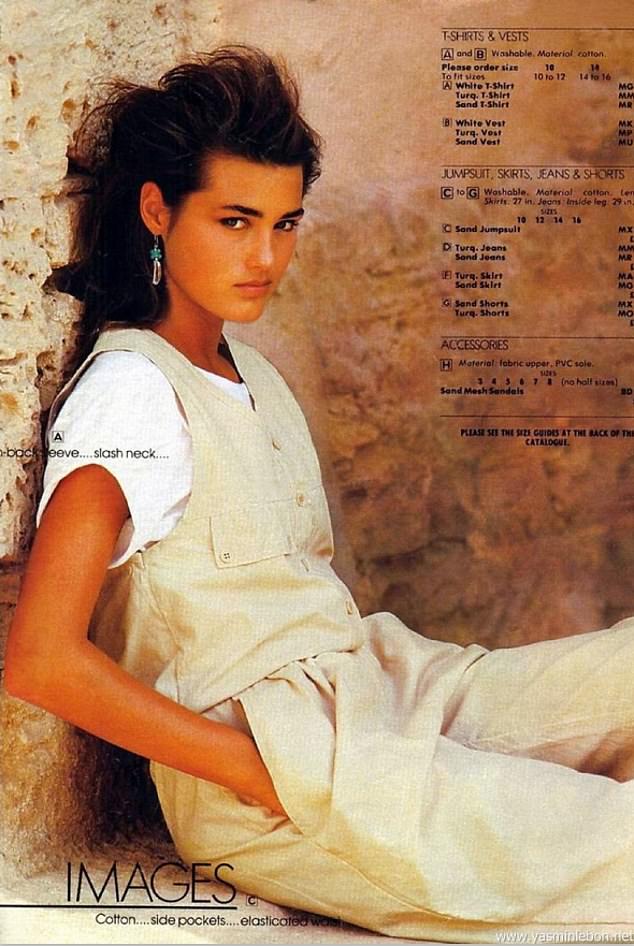
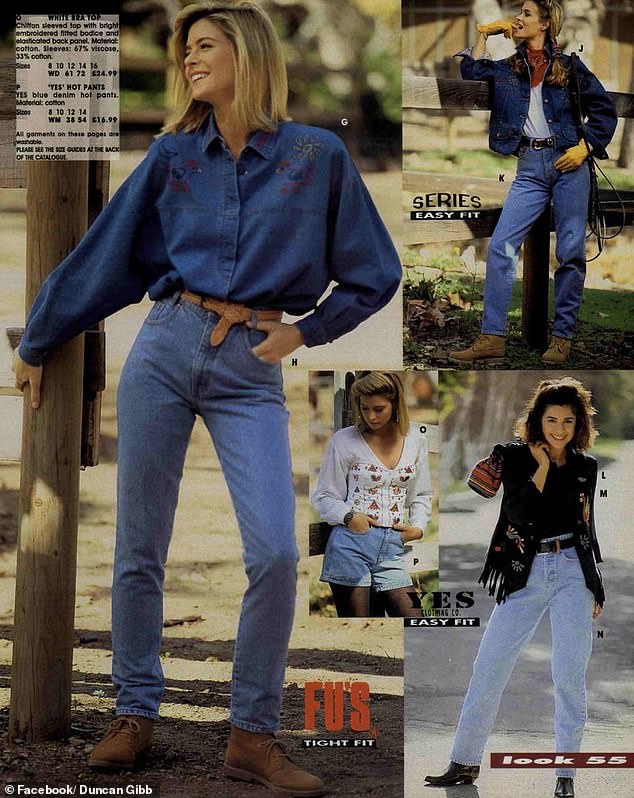
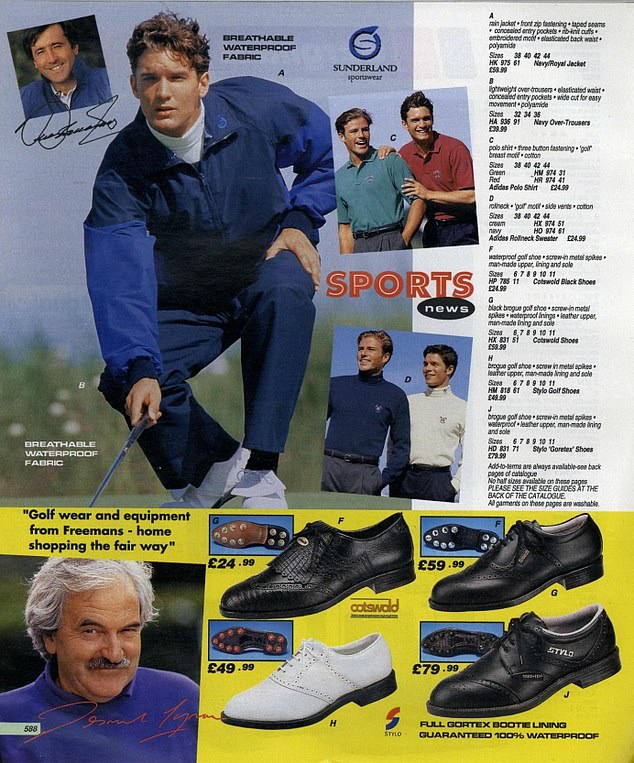
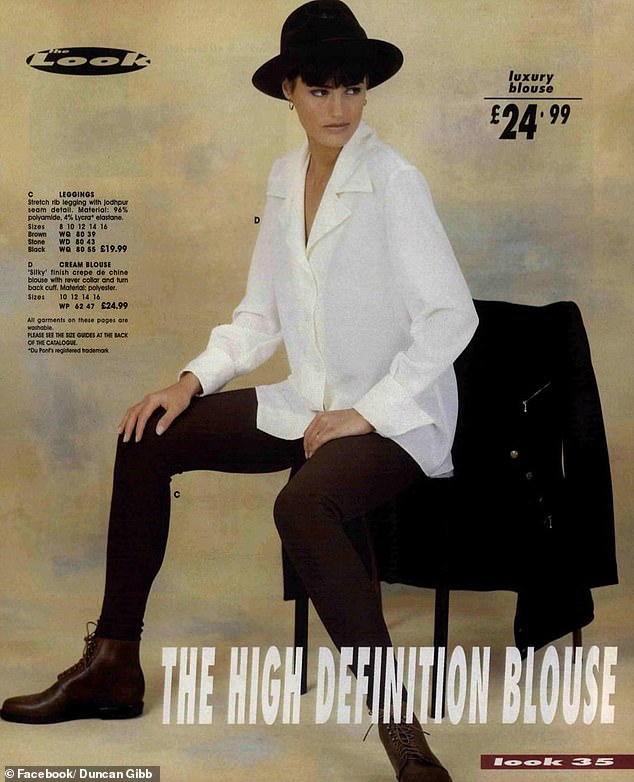
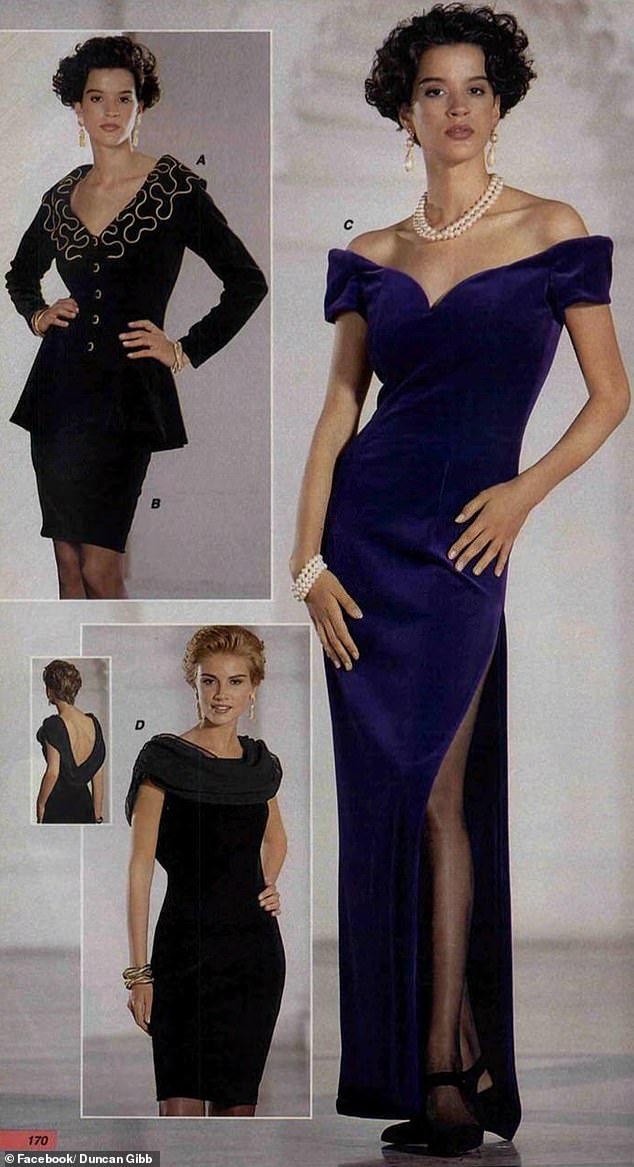
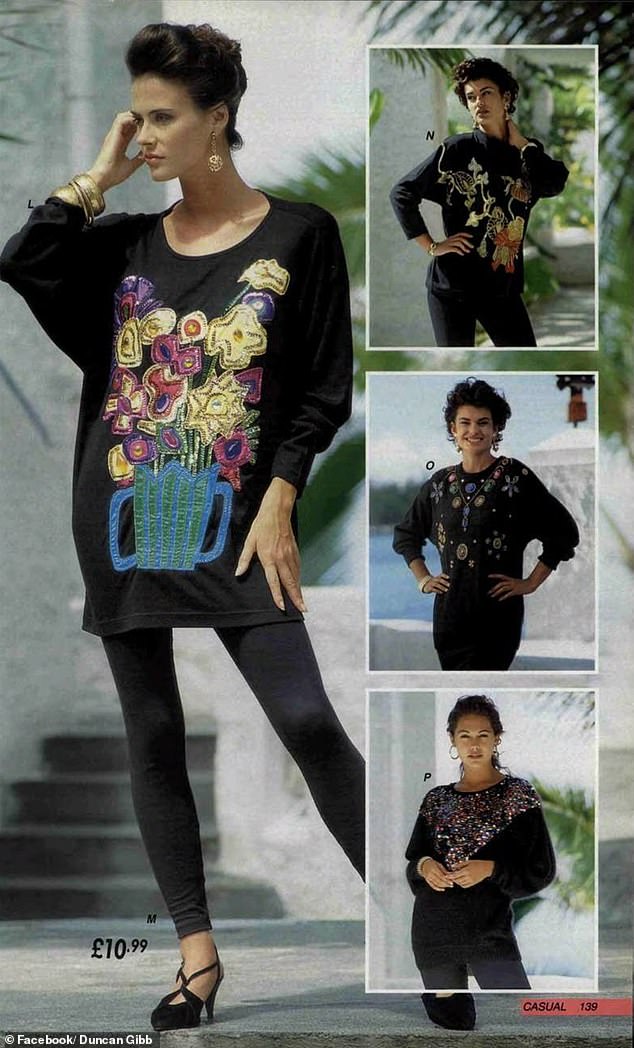
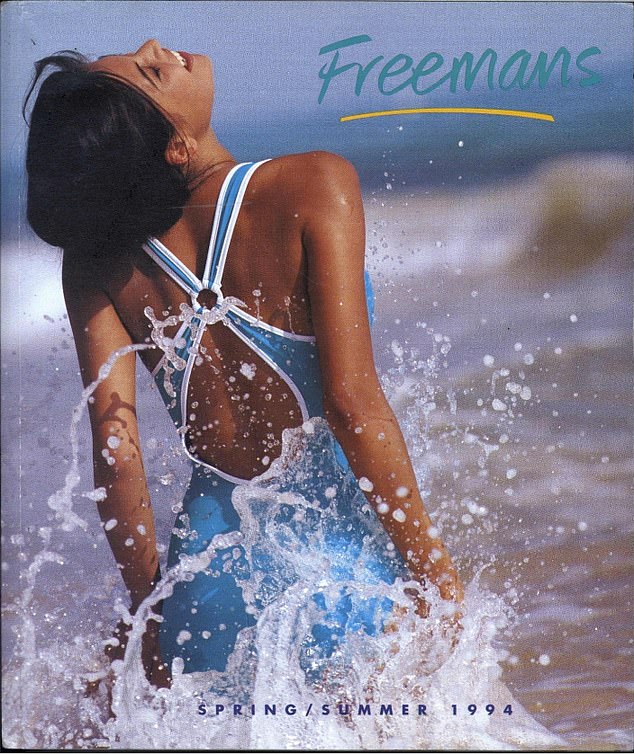
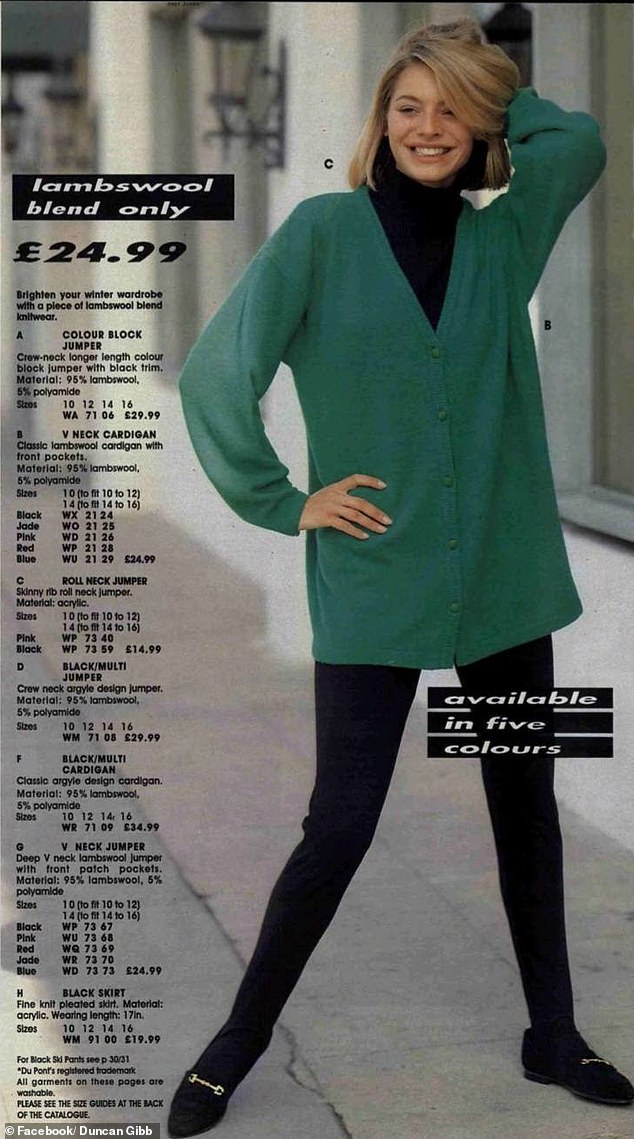
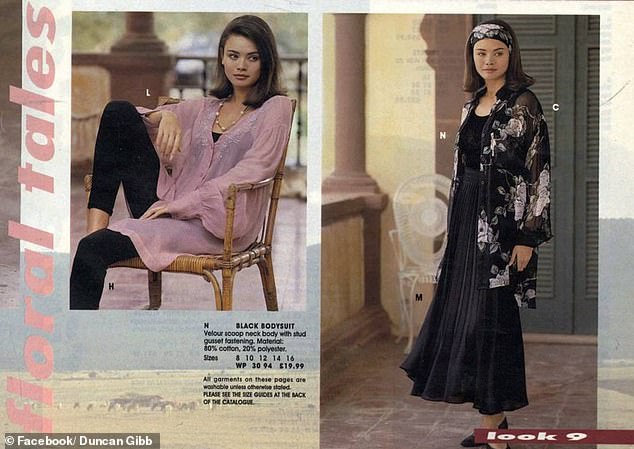
With the rise of the internet, the 1990s were a time of major change for most retailers in the UK, including Freemans.
The company became one of the first to go digital, and in 1997, it launched its shopping website, freemans.com.
Despite new technological advances, the catalogue continued throughout the period, with models who looked like they were forming a boy band modelling cut-off denim shirts.
Other popular brands at the time, including Morgan, Nike, and Adidas, sold items via Freemans.
Around the same time, TV presenter Des Lynam, who has hosted coverage of countless major sporting events, including Wimbledon at Match of the Day, promoted leisurewear in the catalogue.
The brand also ran as the shirt sponsor for the local charity team Bradford City AC from 1991 to 1993.
Change continued until the late 90s, and in 1999, German mail-order giant Otto acquired Freemans from Sears plc for approximately £150million, according to the brand’s website.
2000s
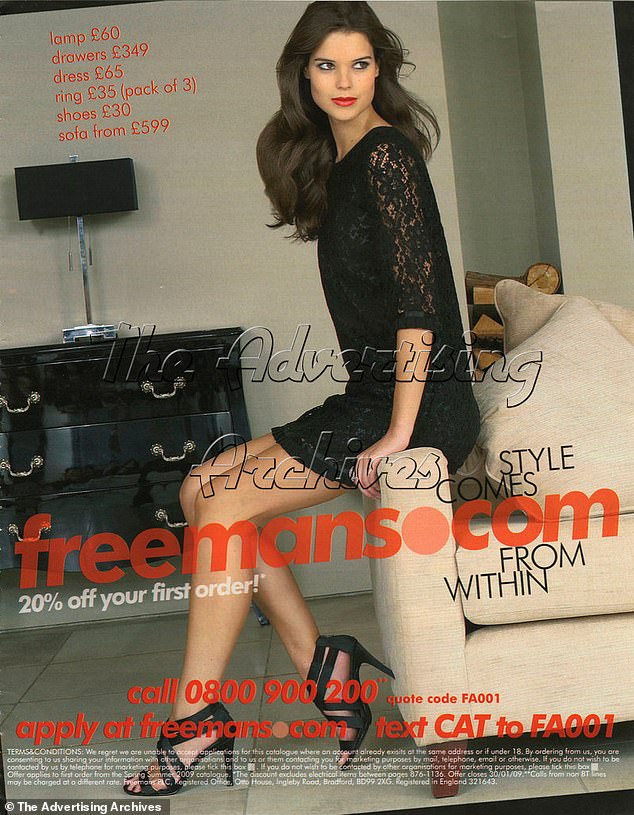
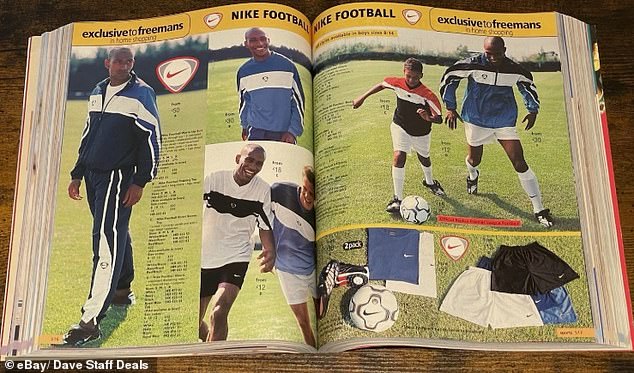
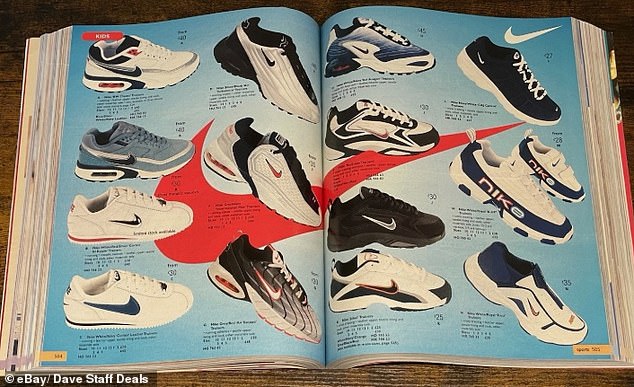
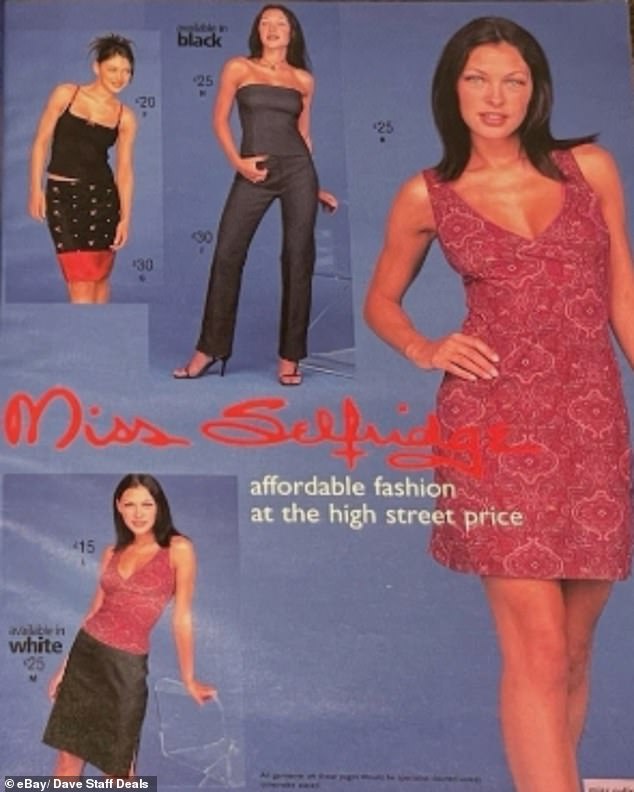
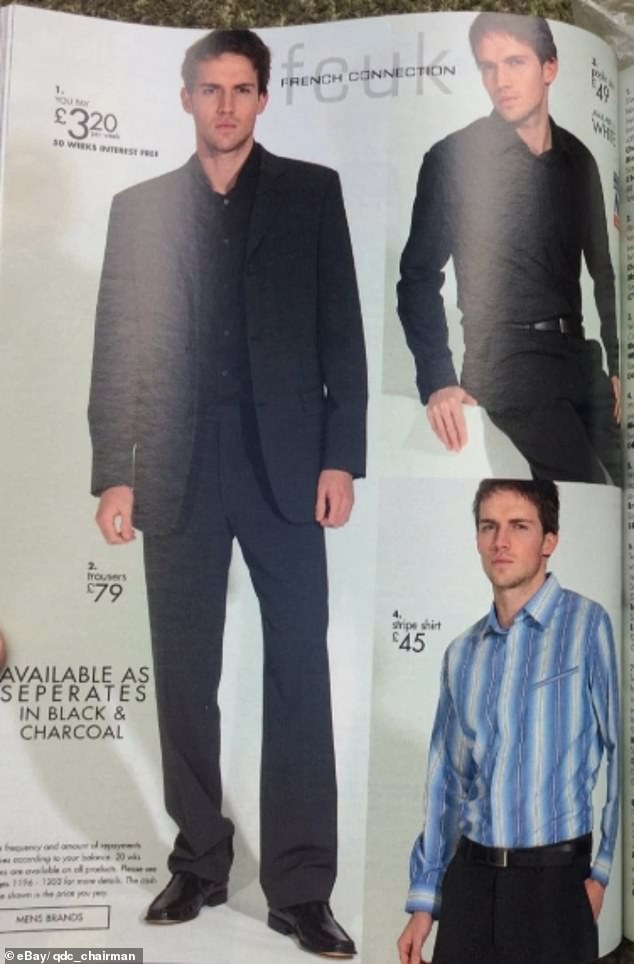
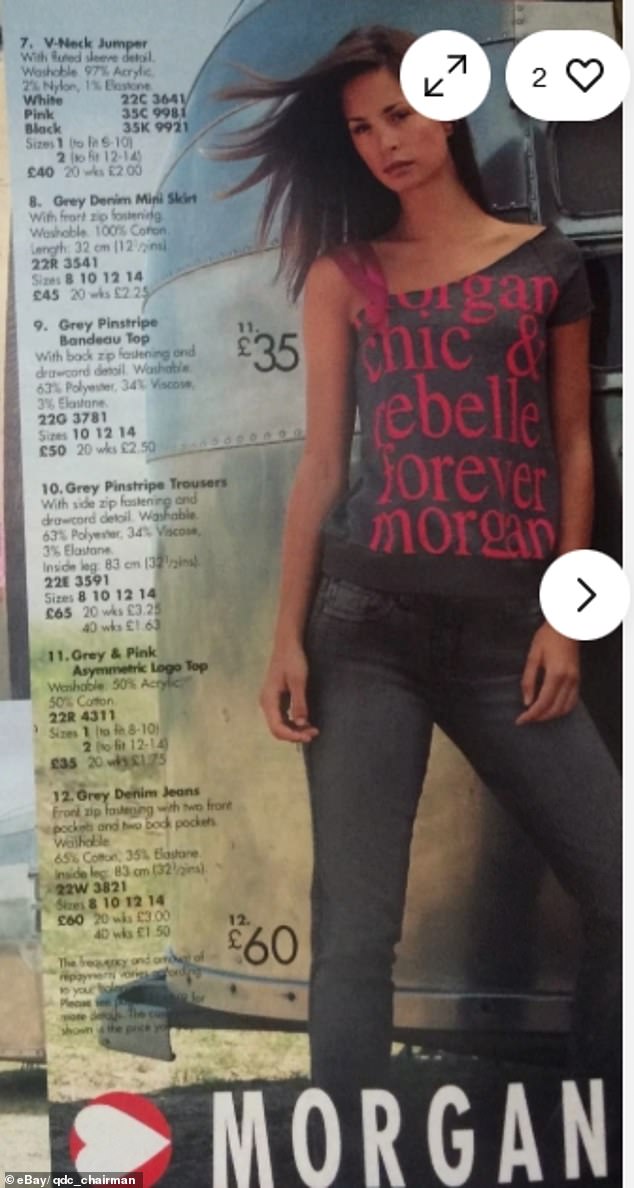
While the Freemans catalogue continued throughout the 2000s, the rise of the internet started to make websites a popular choice for shoppers looking to get their latest purchase.
Despite the changes, the catalogue continued to circulate, showcasing clothes such as halter dresses and low-rise trousers.
Internet shopping ultimately killed off the Freemans catalogue, but the decline began when banks offered credit more widely – a service that the catalogues had a collective monopoly on until then among lower earners.
Jackie Barrie, who was a copywriter at the company, said: ‘Things started fading while I was there for two key reasons – the internet became popular, and banks started to offer credit more widely.
‘The latter meant that Freemans and the big catalogues were no longer the only place lower earners could get credit.
‘I do think Freemans were good in how they offered credit. They knew their customers, via the agents, and they stopped them getting into any sort of debt. If they didn’t pay they would be doing it to a friend and there would be embarrassment in that group of friends, or family, workplace or club.’
Read more
- Why did WH Smith, once a retail titan, face a sensational downfall on Britain’s bustling high streets?
- Has the once-iconic Argos catalogue store model become an obsolete dream in today’s digital age?
- How did WH Smith evolve from a humble Mayfair newsstand to a global retail empire?
- How did Marks & Spencer transform from ‘frumpy’ to ‘cool’ and captivate the younger generation?
- Why might WH Smith’s iconic name disappear after 233 years of dominating the UK’s retail scene?