Keir Starmer’s Speech Fails to Quell Calls for His Resignation
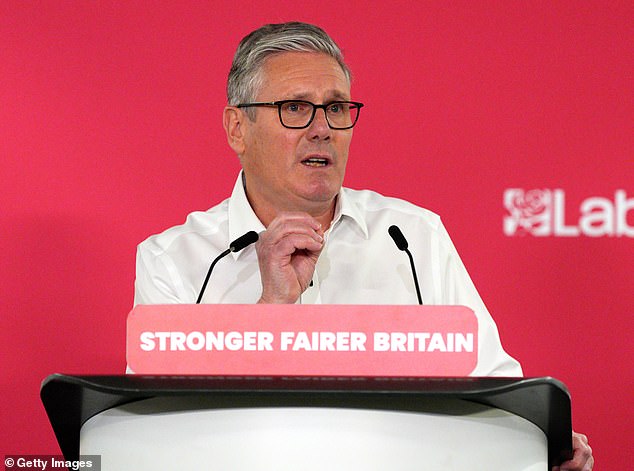
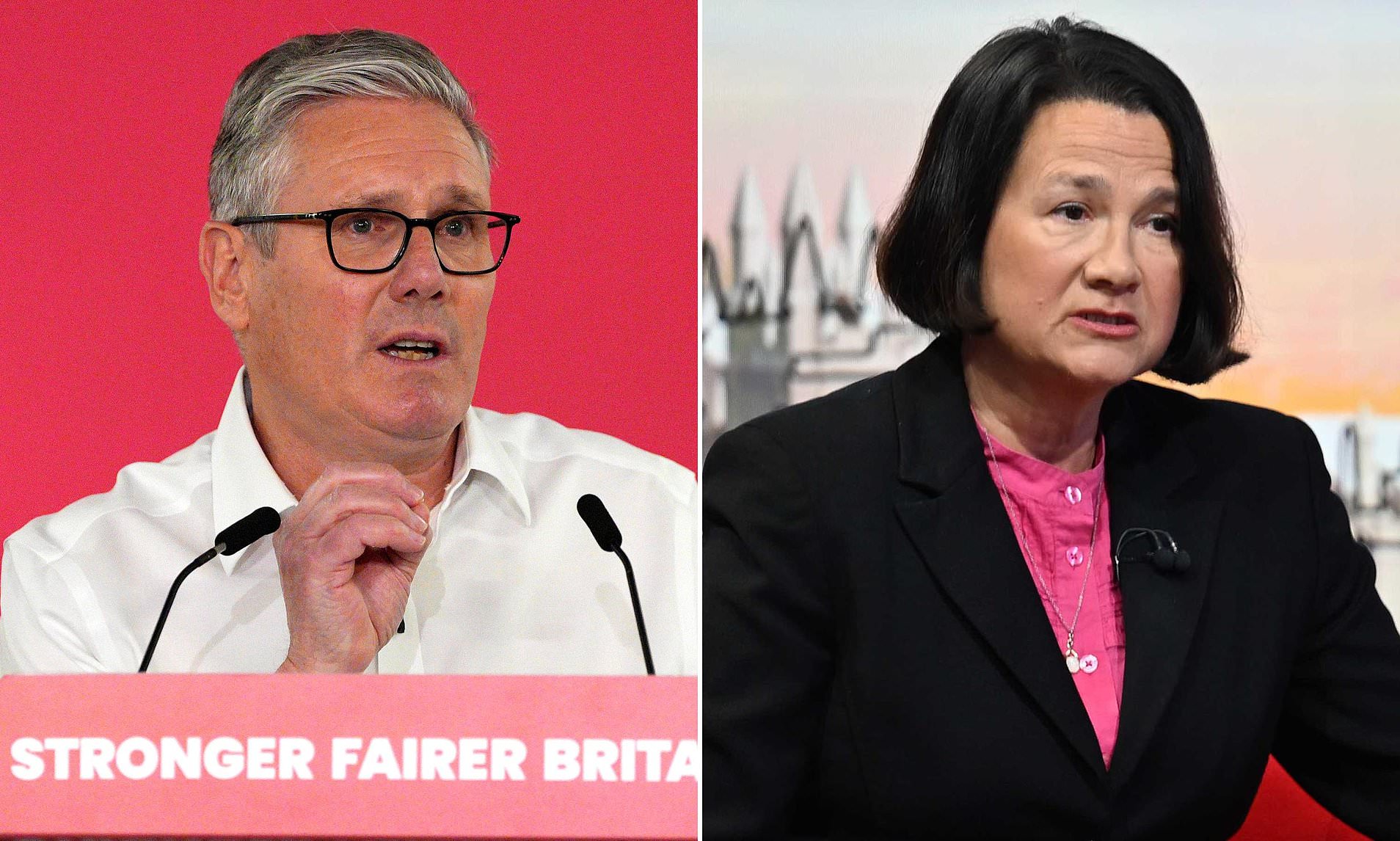
Prime Minister Keir Starmer faced mounting pressure from within his own party after a speech that was intended to be a “make or break” moment for his leadership. The address, delivered to Labour activists, aimed to quell internal dissent and prevent a potential coup. However, it appears to have fallen flat, with more than 70 Labour MPs calling for him to step down.
In the speech, Starmer warned that a leadership challenge could plunge Britain into chaos, referencing the failures of the Conservative Party in the past. He insisted he would not “walk away” even if a contest were to take place this week. Yet, many within the party remain unconvinced.
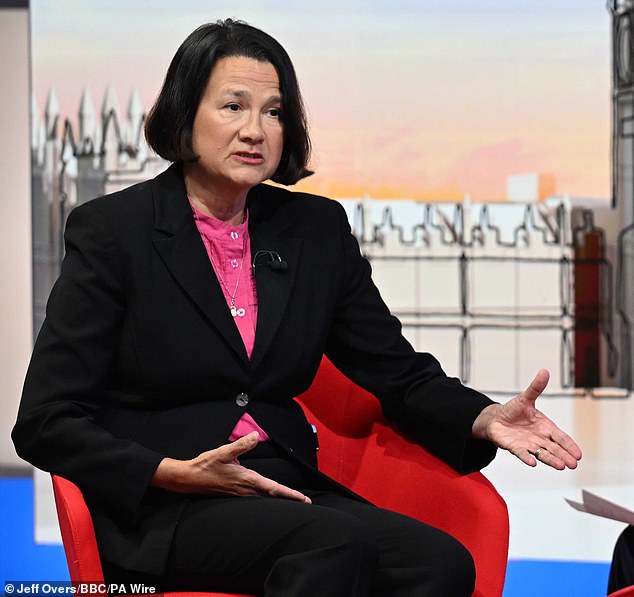
Maverick backbencher Catherine West described the speech as “too little, too late.” While she dropped her threat to launch an immediate leadership challenge, she urged MPs to sign a letter calling for the PM to set out a timetable to step down. This comes after a disastrous performance in the recent local elections, where Labour lost 1,500 councillors and 38 councils in England, and trailed behind in Wales and Scotland.
Labour MPs reported that voters were angry at Starmer personally, with one describing him as “detested on the doorstep.” Despite this, Starmer acknowledged that people were frustrated with the state of the country and with politics in general. He claimed he had doubters but insisted he could win them over.
Culture Secretary Lisa Nandy defended the Prime Minister, stating that he was right to acknowledge his mistakes and the personal animosity towards him. However, when asked if he had done enough to save his position, she said, “No, it’s not enough, to go out and make a speech, but it is certainly the right thing to have done in this moment – to go out and acknowledge the mistakes that have been made, to acknowledge the role that he’s personally played in that.”
Starmer outlined several new measures, including legislation to nationalise British Steel, a ban on “far-Right agitators” coming to the UK for a planned march, and a plan to put the UK “at the heart of Europe.” However, he stopped short of introducing the radical changes many Labour MPs had hoped for, suggesting it would be a mistake to change direction after tough election results.
He framed the current political moment as a “battle for the soul” of the UK, warning that failure would lead the country down a “very dark path.” Starmer argued that Labour must be a “stronger version of Labour, a mainstream party of power, not protest,” contrasting himself with leaders like Nigel Farage and Zack Polanski, whom he criticized as lacking “the serious progressive leadership these times demand.”
The PM also hinted at a closer relationship with the European Union, though he struggled to explain what this meant in practice. Until now, he has maintained Labour’s 2024 election pledge that the UK would not rejoin the single market or customs union or return to free movement. When asked if he was ruling out the party’s next manifesto campaigning to return to the EU, he failed to provide a clear answer.
Instead, he stated, “What I want to do is take a big leap forward with the EU-UK summit this year and take us closer, both on trade, the economy, defence and security. And that will then be a platform on which we can build as we go forward.” A spokesperson later clarified that the so-called red lines on Brexit apply only until the general election, and that “the next manifesto is a matter for the party.”
In his speech, Starmer claimed that Brexit had “snatched away” young people’s ability to work, study, and live in Europe, pledging to agree an “ambitious” youth experience scheme with Brussels. However, leading pro-EU Labour MP Stella Creasy urged him to “rip up his red lines on Brexit,” saying, “They need to go now and be seen to go now otherwise it’s a waste of time.”
Others warned that changing course would only see more Red Wall voters defect to Reform, with influential Labour peer Lord Glasman stating, “It’s the estrangement of working-class voters from Labour that is absolutely not going to be resolved by a speech realigning with the EU. I can’t imagine anything worse.”
A few backbenchers supported Starmer after the speech, with Macclesfield MP Tim Roca and Gedling’s Michael Payne saying he had demonstrated he understood “the scale of the challenge” facing the country. However, many others continued to call for his resignation.
North Northumberland MP David Smith, who has served as the UK’s special envoy for freedom of religion or belief since 2024, said Labour owed “a debt of gratitude” to Starmer but could not “carry on with the approach we have taken” since the General Election.