The Complex Web of Diplomacy and Power in Southeast Asia
Malaysia, as the host of a major international summit, finds itself at the center of a delicate diplomatic balancing act. On one side is US President Donald Trump, who appears to be driven by an insatiable desire for recognition, including a potential Nobel Peace Prize. On the other side is China, a crucial trading partner for many Southeast Asian nations. This tension plays out against the backdrop of ongoing conflicts and fragile peace efforts in the region.
A Fragile Peace on the Thai-Cambodian Border
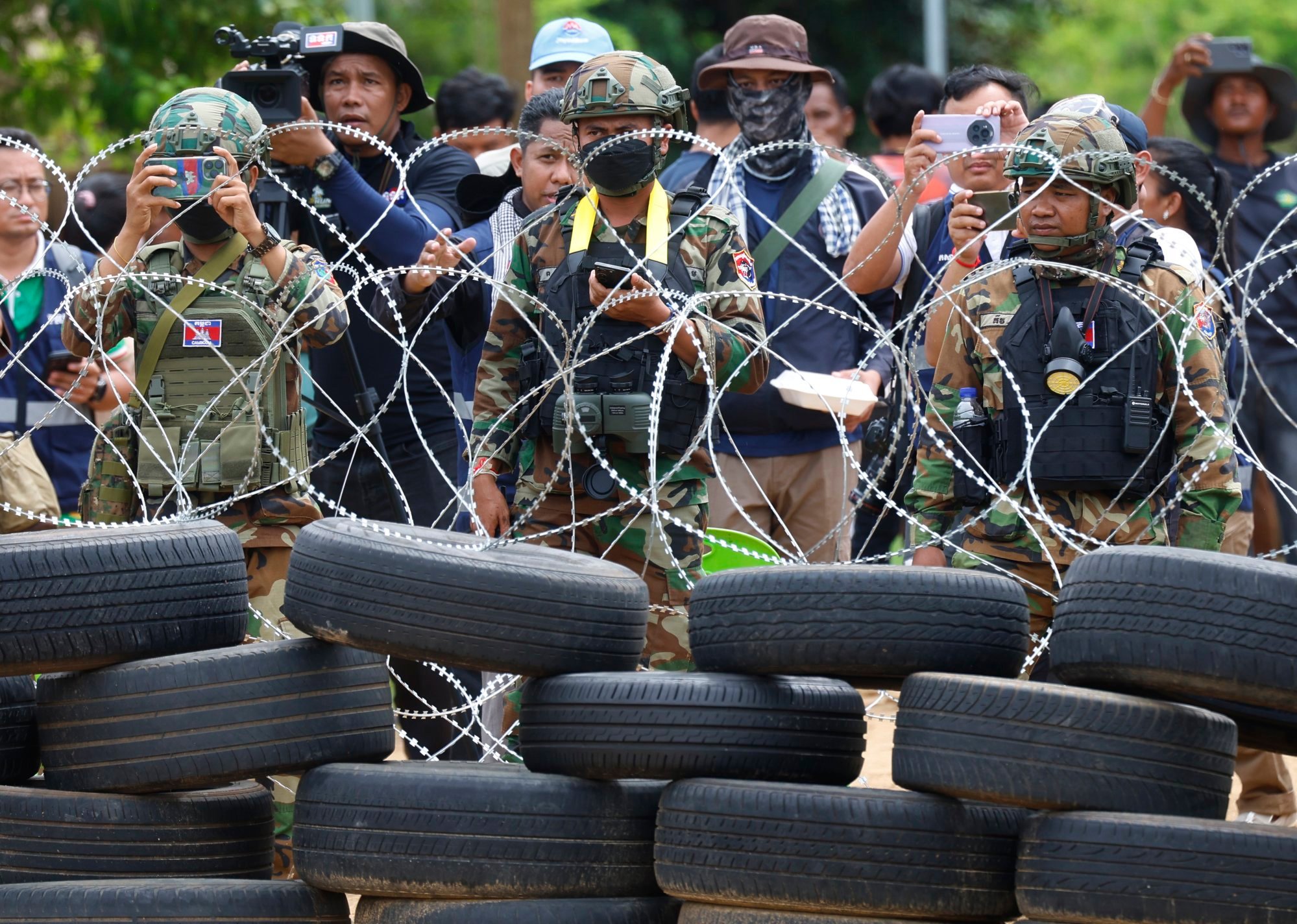
In the quiet village of Wichien, the presence of soldiers patrolling the rice fields serves as a stark reminder that peace along Thailand’s border with Cambodia remains tenuous. Despite a recent truce, the situation is far from stable. For local farmers like Wichien, the prospect of a lasting settlement is welcomed, but the involvement of US President Donald Trump is met with skepticism.
“Trump isn’t here seeking peace; he’s only after recognition… a Nobel Prize. It’s about serving his own ambitions, not helping us,” said Wichien, who chose to use only one name during such anxious times. While the Thai government claims it can resolve its issues with Cambodia independently, the White House insists it played a pivotal role in ending the July conflict that left over 48 people dead on both sides.
Trump’s Obsession with Recognition
The US administration has taken credit for the ceasefire that came into effect on July 28, attributing it to Trump’s use of trade pressure. By offering favorable import tariffs to both countries, Washington claims it brought the warring parties to the negotiating table. However, this effort was also supported by Chinese diplomats, who sought to see two key regional allies end their hostilities.
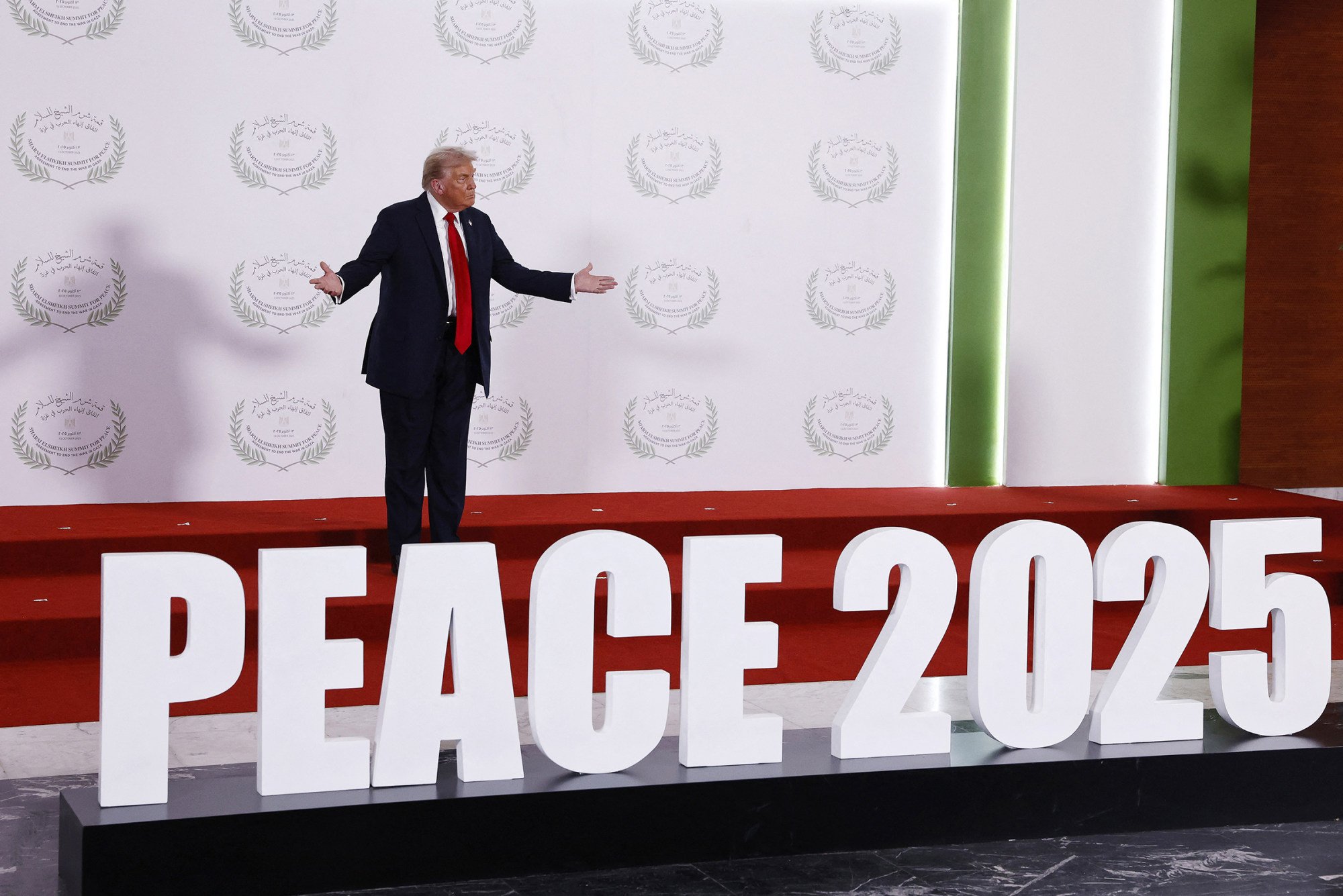
Reports suggest that Trump’s team has even pressured Malaysia to exclude Chinese representatives from the upcoming signing ceremony, highlighting his obsession with securing a Nobel Peace Prize. This move raises concerns about the true intentions behind the so-called “Kuala Lumpur Accord.”
A Symbolic Peace Signing in Malaysia
As Trump prepares to attend the ASEAN summit in Kuala Lumpur, the focus shifts to a symbolic peace signing that could have far-reaching implications. While the Thailand-Cambodia agreement is a sideshow, it is one that Trump is determined to control. A spokesperson for the Thai prime minister hinted that the US used the border issue as leverage to negotiate better trade relations with Thailand.
This situation places Thailand’s new Prime Minister Anutin Charnvirakul in a difficult position. He must navigate nationalist sentiment while maintaining good relations with the US. Meanwhile, Cambodia, with its weaker military and economy, has publicly praised Trump’s efforts and even nominated him for the Nobel Prize. However, mutual suspicion still lingers between the two nations.
The Role of China in Regional Dynamics
China’s influence in the region cannot be ignored. As a key trading partner for many Southeast Asian countries, it plays a critical role in shaping regional dynamics. The Association of Southeast Asian Nations (ASEAN) sees Trump’s visit as an opportunity to reset trade and security ties with the US. However, a ceremonial peace signing could disrupt the delicate balance of power.
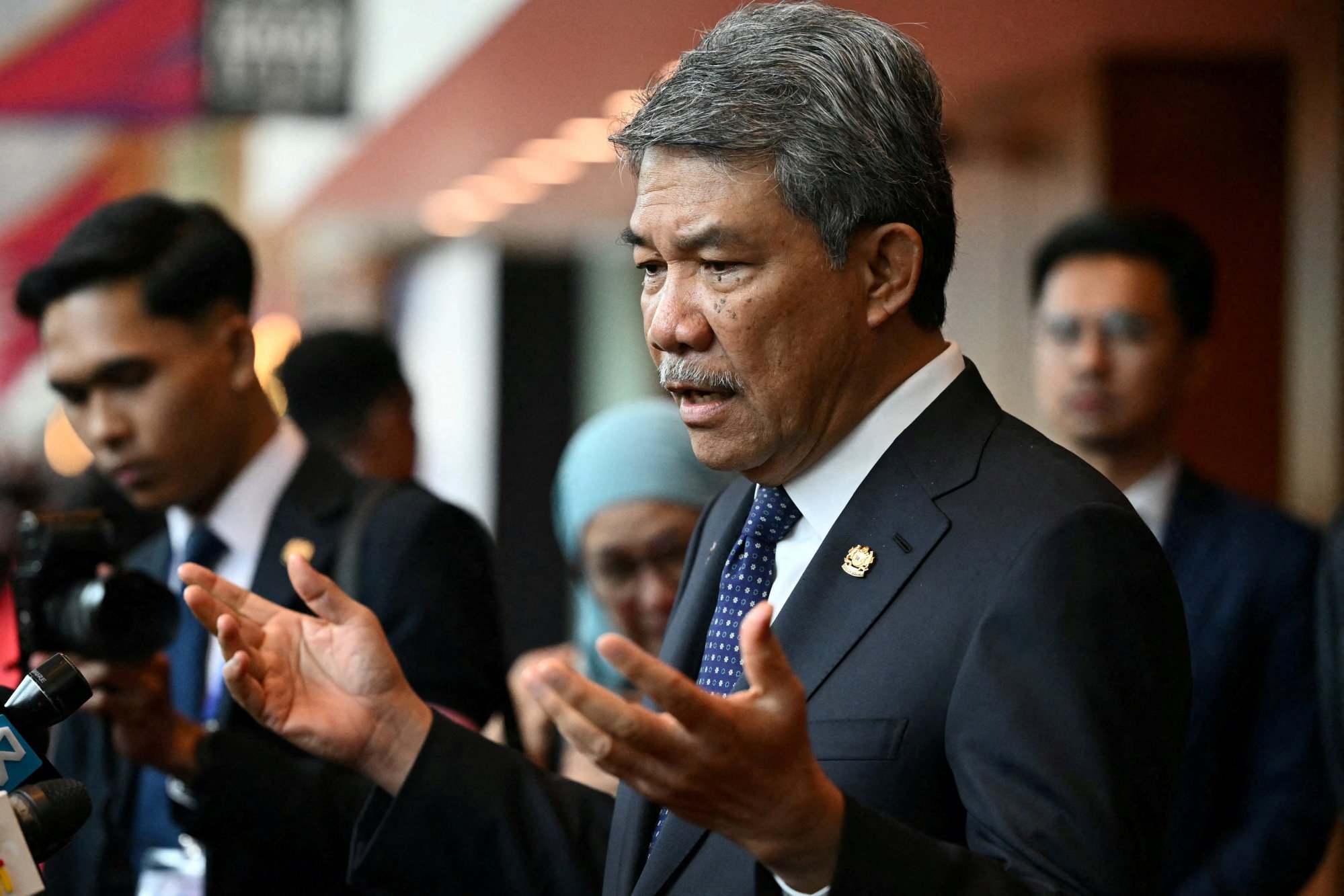
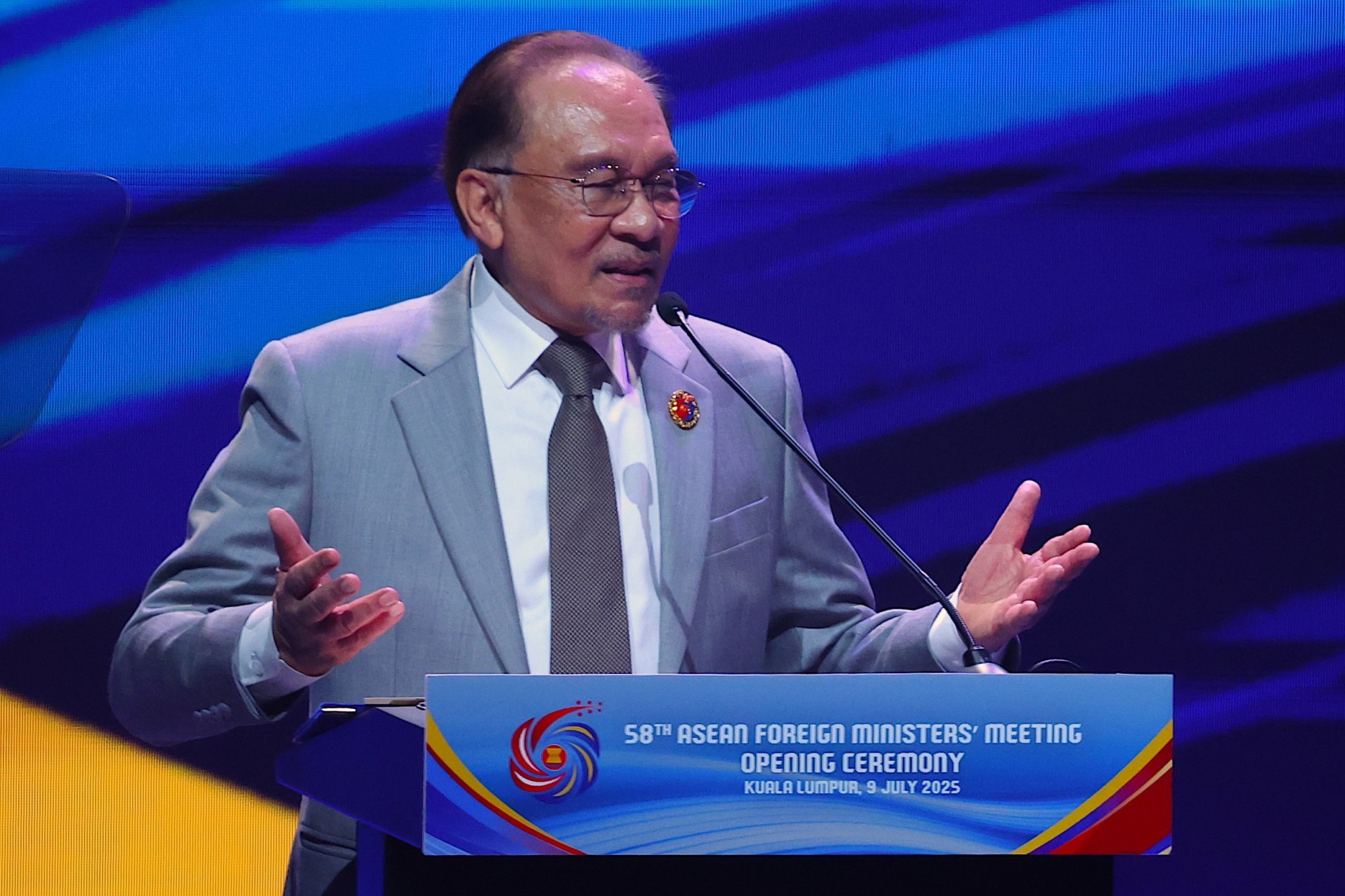
Malaysian Foreign Minister Mohamad Hasan confirmed that a ceasefire agreement is likely to be signed during Trump’s visit. “We hope to see the signing of a declaration, known as the Kuala Lumpur Accord, between these two neighbours to ensure peace and a lasting ceasefire,” he said.
Balancing Act Between the US and China
For Malaysia, the challenge lies in maintaining good relations with both the US and China. While the US offers economic and military support, China remains a vital trading partner. Excluding Chinese officials from the signing ceremony could send the wrong signals, undermining Kuala Lumpur’s diplomatic and economic ties with Beijing.
Shawn Balakrishnan, a Singapore-based partner with global consultancy Penta, warned that excluding Chinese officials would send a worrying signal to other ASEAN members. “This would undoubtedly feed perceptions that ASEAN is being drawn into a great-power competition,” he said.
The Future of Regional Stability
As the world watches closely, the outcome of these diplomatic maneuvers will have significant implications for regional stability. The decisions made in Kuala Lumpur could shape the future of Southeast Asia’s relationships with both the US and China. With tensions high and stakes even higher, the path forward remains uncertain.