Improved Security Lines at U.S. Airports
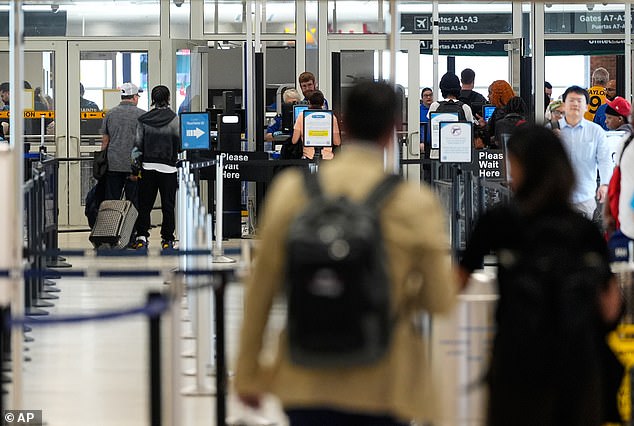
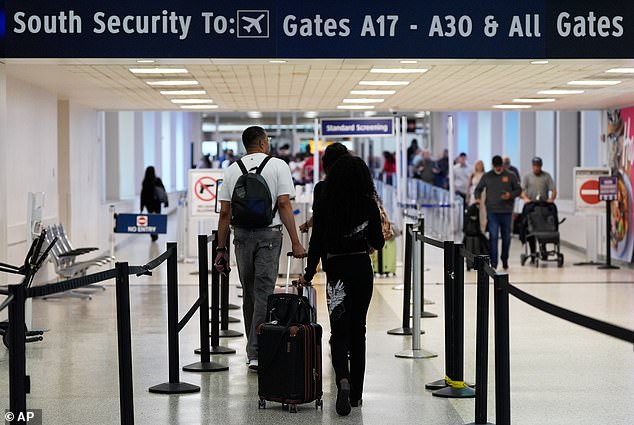
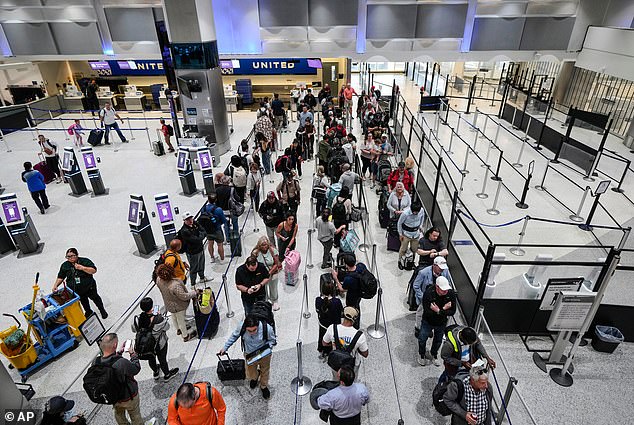
Passengers flying through American airports experienced a significant relief on Monday as security lines were notably shorter. This change came after Transportation Security Administration (TSA) officers began receiving backpay for their work during a partial government shutdown.
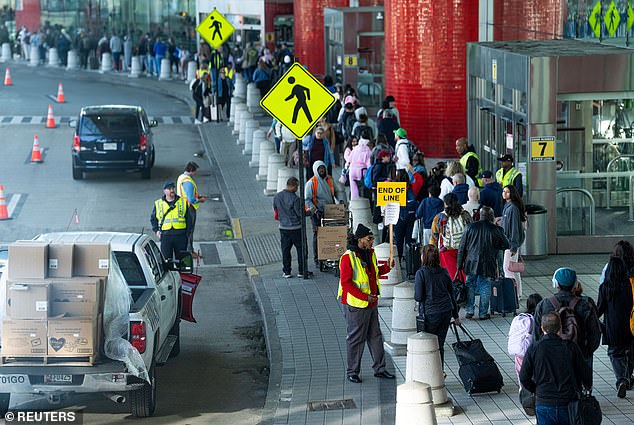
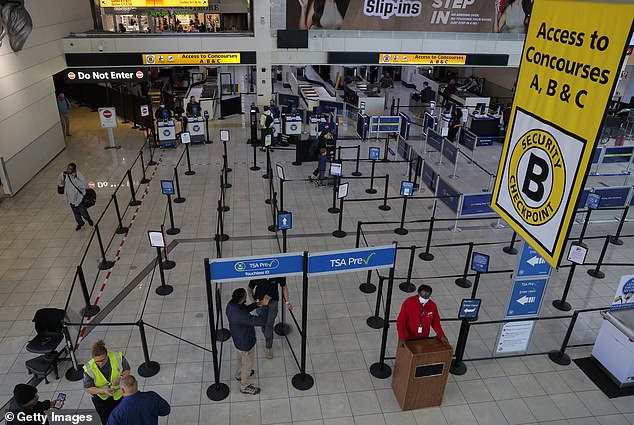
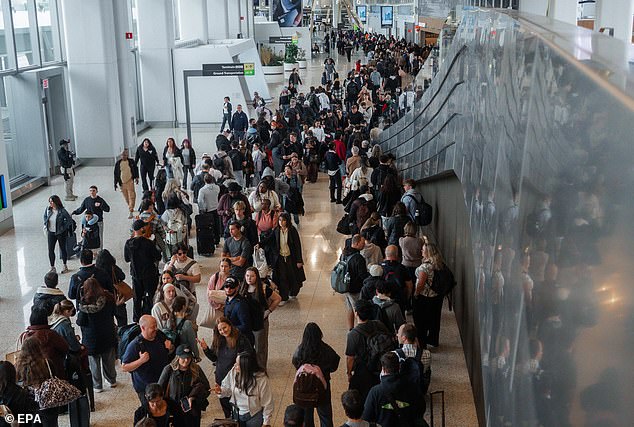
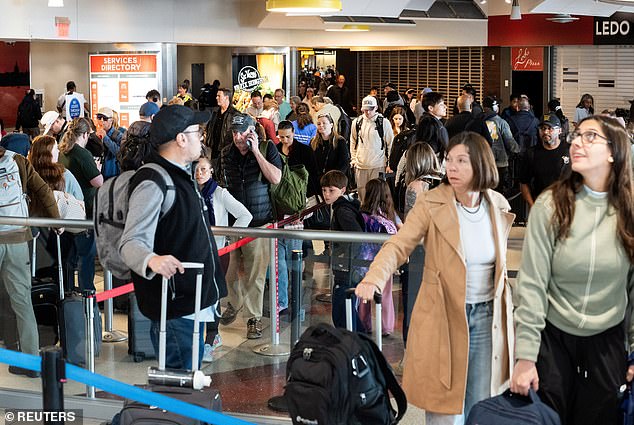
At Houston’s George Bush Intercontinental Airport, security lines that previously stretched up to four hours were reduced to just 10 minutes or less. Similarly, at major airports like Baltimore-Washington International and Atlanta, travelers found the process much smoother.
The improvement was attributed to TSA employees starting to receive paychecks for the past several weeks of work. These employees had not been paid since Congress failed to renew funding for the Department of Homeland Security on February 14, which led to around 61,000 TSA employees working without pay since January 31.
Staffing Challenges and Impact on Operations
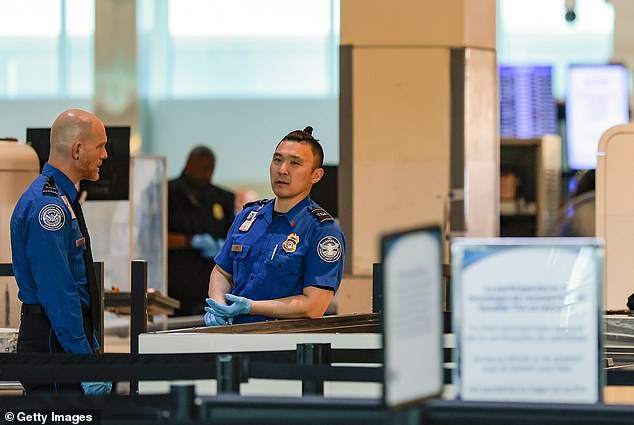
Over 500 TSA agents have since quit their jobs, while thousands more took time off during a period of increased travel due to spring break. On Friday alone, over one-third of security agents missed work at New York’s John F. Kennedy Airport, Baltimore-Washington International Airport, and Atlanta’s Hartsfield-Jackson International Airport. At Houston’s two airports, nearly half of all TSA workers skipped work, with 12.4% of employees—equivalent to 3,560 workers—missing their shifts.
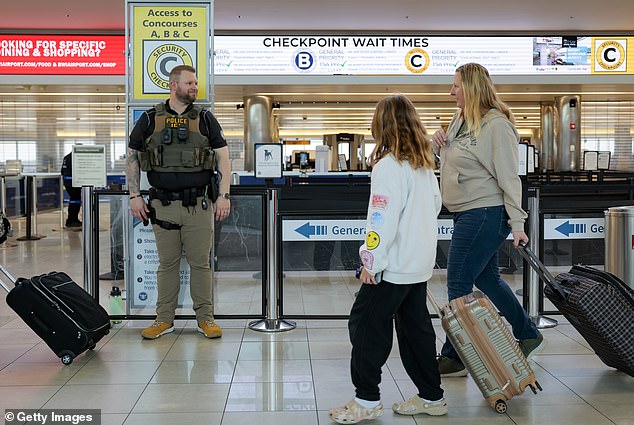
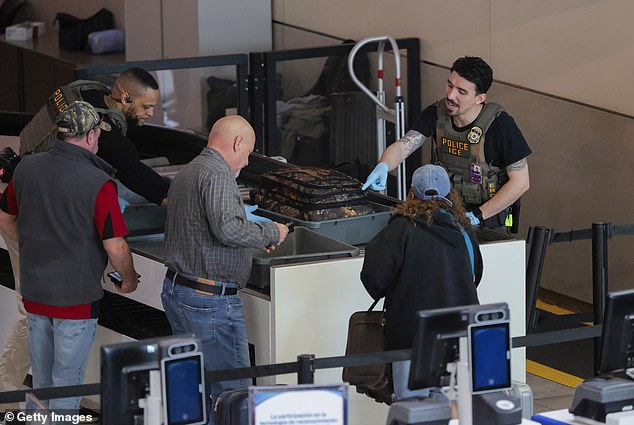
In response to the staffing shortage, former President Trump ordered Immigration and Customs Enforcement (ICE) officers to assist at 14 airports. He also signed an executive action to restart payments on Friday, as Congress went on a two-week recess.
Financial Relief and Ongoing Struggles
By Monday, most TSA officers received a retroactive paycheck covering at least two full two-week pay periods, according to the Department of Homeland Security. The remaining funds are expected to arrive next week, said Johnny Jones, secretary-treasure of the TSA chapter of the American Federation of Government Employees.
However, some workers reported incorrect backpay amounts, including missing overtime. Andrea Connolly and her husband, both working at Phoenix Sky Harbor Airport, described the paycheck as a “relief” after struggling to afford basic necessities. She mentioned the burden of gas for work, mortgage, and feeding their dogs.
Despite the relief, some TSA agents continue to face financial difficulties. Jones, a TSA agent at Dallas-Fort Worth International Airport, noted that a colleague had already spent all his money on car and housing payments and late fees.
Policy Changes and Continued Concerns
The union highlighted that the TSA updated its furlough policy, removing guidance that allowed officers to request a furlough due to the shutdown. Acting TSA Assistant Secretary Lauren Bis stated that working without pay forced more than 500 officers to leave and thousands to call out. The union agreed with these numbers but warned that those unable to report for duty now face disciplinary actions.
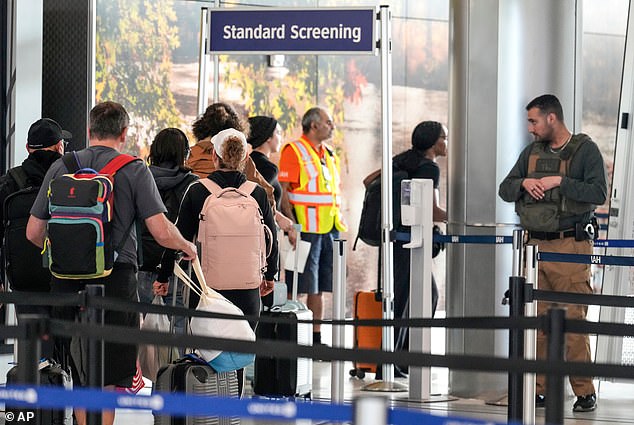
Backpay has helped reduce security lines, with passengers arriving early at airports finding they did not have to wait as long. Lynn Desrosiers and Adam Coleman, traveling to Orlando, Florida, said they planned to spend money on candy and take naps.
Political Implications and Future Outlook
While the short lines were a positive development, there were few signs of progress in resolving the funding issue between Democrats and Republicans. Senators held a brief session without considering a House bill to restore funding, then resumed their two-week break.
President Trump rejected bipartisan efforts to fund the TSA amid negotiations over ICE operations. Democrats demanded restraints on immigration enforcement, including requiring ICE agents to wear cameras and avoid sensitive locations during raids. However, White House Press Secretary Karoline Leavitt stated that there had been no change in policy.
As for the ICE agents deployed to airports, White House border czar Tom Homan indicated their assistance depends on how quickly TSA employees return to work. In the meantime, ICE agents will continue checking IDs, patrolling airports, and directing traffic until operations normalize.