•Task government on decent work–led transformation
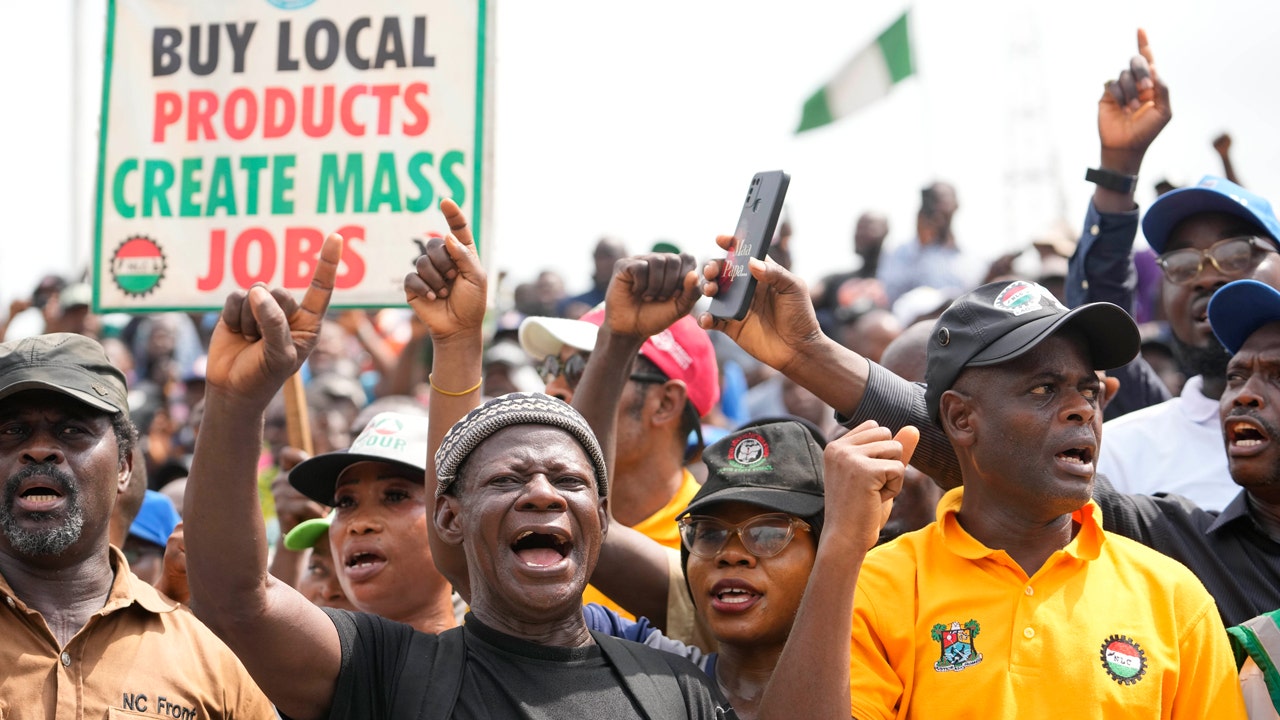
Trade unionists, civil society actors and pro-labour activists have lamented Nigeria’s worsening socio-economic trajectory, insisting that the country risks deeper inequality and instability unless economic reforms are urgently anchored on decent work, social justice and inclusive growth.
The call was made in Abuja, at the Nigeria Labour Congress (NLC) Trade, Investment, Sovereign Debt and Decent Work Programme high-level one-day review meeting of the NLC Trade Network, Civil Society Organisations and the Media Alliance for Economic Transformation.
Set against the backdrop of rising living costs, policy shocks and growing public discontent, the meeting reviewed the implications of Nigeria’s trade and socio-economic policies on workers and vulnerable citizens, while also assessing three years of implementation of an ITUC-Africa, LRS and SASK-supported regional project on trade unions’ engagement with trade, investment and sovereign debt policies.
Opening the deliberations, national coordinator of the NLC Trade Programme, Comrade Echezona Asuzu, said the meeting was convened at a moment of “acute socio-economic distress” for Nigerian workers and households.
He pointed to the hikes in the pump price of refined petroleum products, carried out under the banner of subsidy removal, as a policy choice that “unleashed hyper and galloping inflation on all Nigerians.”
According to him: “The removal of the so-called fuel subsidy has translated into unbearable increases in transportation, food and basic services, with workers and the poor paying the highest price.”
He added that the government’s reluctance to significantly adjust the national minimum wage had further deepened the crisis of survival for millions of wage earners.
Asuzu also flagged the proposed tax law expected to take effect from January, Nigeria’s expanding sovereign debt burden, the escalating security challenges across the country, and the ongoing review of protocols under the African Continental Free Trade Area (AfCFTA), as critical issues demanding urgent and coordinated labour engagement. He stressed that trade policy re-engagement at the continental level must not come at the expense of workers’ rights and livelihoods.
In a thought-provoking paper presentation, senior academic, researcher and public policy analyst, Dr Jasper Uche, traced the historic role of trade unions as more than workplace negotiators.
He argued that across the world, unions have earned their place as “societal watchdogs,” standing at the intersection of labour rights, social protection and democratic accountability.
“Beyond championing social dialogue and collective bargaining for fair wages and decent workplaces, trade unions are at the vanguard of the struggle for social protection of the voiceless, informal workers and those at the bottom of the economic ladder,” Uche said.
He noted that the current wave of socio-economic policies under Nigeria’s present administration carries “very significant implications for ordinary citizens,” particularly informal economy workers whose livelihoods are most exposed to inflation, insecurity and weak social safety nets. Uche maintained that Nigeria’s vast population, workforce size, economic diversity and skills base should be a source of strength, not hardship, insisting that these factors underscore the urgency for accelerated economic transformation.
Throughout the meeting, participants repeatedly returned to the argument that labour must rethink its strategy in the face of what they described as an increasingly aggressive alliance between capital and state power. They warned that unchecked, current policy directions would continue to erode the dignity of labour, social cohesion and the promise of inclusive growth.
By the close of deliberations, a clear consensus had emerged that trade unions must reclaim their historic role as mass social movements, capable of mobilising society beyond the factory floor. Participants argued that such a realignment is essential in confronting economic models that prioritise profit over people and perpetuate precarious work in both formal and informal sectors.
The meeting underscored the urgency of organising Nigeria’s vast informal economy, strengthening union capacity on trade, investment and sovereign debt, and adopting evidence-based advocacy backed by modern media strategies to connect with younger workers. There was also a strong push for deeper engagement with social actors and policymakers, backed by rigorous monitoring and accountability mechanisms.
Participants also agreed that “trade is war,” driven by political currents that shape winners and losers in the economy. In that context, they stressed that trade unions cannot afford political neutrality, urging organised labour to mobilise for good governance and conscientious leadership that eases, rather than worsens, socio-economic burdens.
Provided by SyndiGate Media Inc. (Syndigate.info).


