Rising Concerns Over Security and Ticket Prices for the 2026 World Cup
The upcoming 2026 World Cup is facing a series of challenges, ranging from security concerns in Mexico to rising ticket prices and political tensions. As the countdown to the tournament reaches 100 days, the global football community is closely watching how these issues will be addressed.
Security Challenges in Mexico
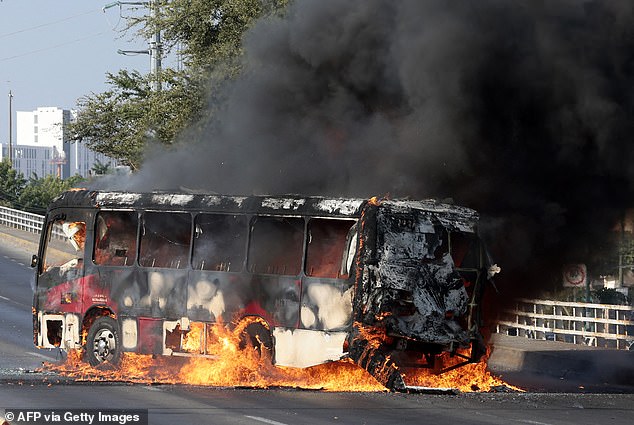
Tickets for the World Cup play-in tournament in Mexico have seen a significant drop in price, with some selling as low as $11.33 (200 pesos). This decline comes amid ongoing violence between the Mexican military and drug cartels in the state of Jalisco. Despite the unrest, officials have assured that the event will proceed safely.
Guadalajara and Monterrey will host the inter-confederation playoff tournament from March 26-31. Teams such as Iraq, the Democratic Republic of Congo, Bolivia, New Caledonia, Jamaica, and Suriname will participate in the matches. These venues will also serve as part of the 2026 World Cup across North America.
Mexico President Claudia Sheinbaum has stated that there is no danger to fans attending the event, even after violence erupted near Guadalajara following the death of one of the country’s most-wanted cartel leaders. Local authorities have increased security measures, and officials remain confident in the preparations.
Juan Jose Frangie, head of the Guadalajara Organizing Committee, emphasized that the state is prepared and secure. He noted that while the situation remains complex, efforts are being made to restore confidence among fans.
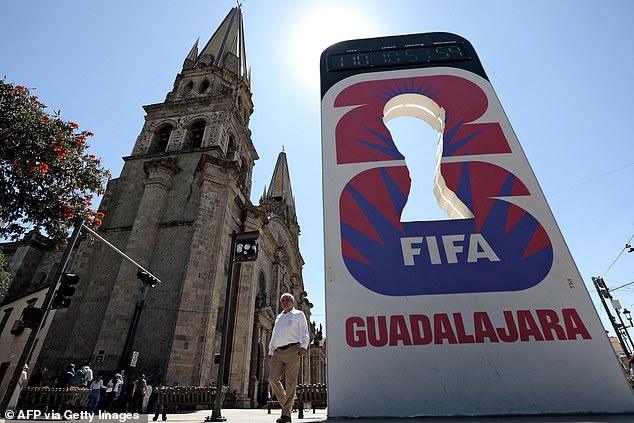
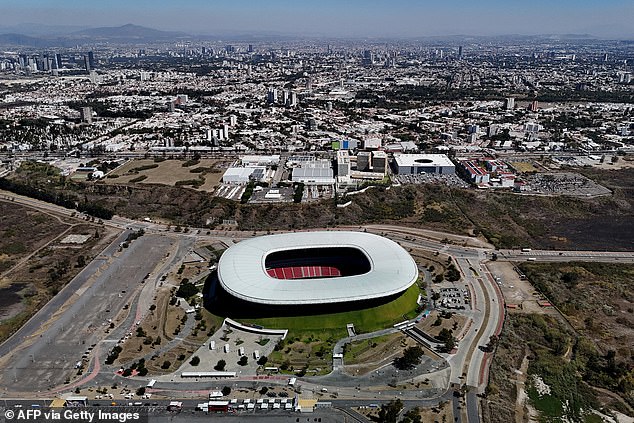
Frangie, who is also the mayor of Zapopan, highlighted the importance of maintaining stability ahead of the World Cup. The city is home to Estadio Akron, one of the key venues for the tournament. Although the recent unrest disrupted some sporting events, local officials say they are working closely with federal partners to ensure safety.
Ticket Pricing Controversies
Soccer fans have raised concerns over the high ticket prices for the 2026 World Cup. FIFA has approximately 7 million seats available for the tournament, with over 500 million ticket requests received. Despite claims that all 104 games are sold out, some fans have reported receiving emails offering an extra 48-hour window for ticket sales.
FIFA’s initial ticket prices ranged up to $8,680 per game, prompting criticism from fans. In response, FIFA announced plans to offer a few hundred $60 tickets for each game to national federations, which will then distribute them to loyal fans.
However, most tickets on FIFA’s resale platform are priced well above $1,000. This has led to frustration among fans, who feel the pricing is unreasonable.
Another challenge for FIFA involves the town of Foxborough, Massachusetts. The town is demanding payment upfront before hosting games at Gillette Stadium, home of the NFL’s New England Patriots. Foxborough has refused to issue a permit for the World Cup matches and set a March 17 deadline for payment of $7.8 million, citing the costs of police and other expenses.
Fan Festivals and Geopolitical Tensions
Fan festivals, which have become a key part of the World Cup experience, are also facing challenges. Some events have been scaled back or canceled due to financial and logistical issues.
New York/New Jersey eliminated its Fan Fest in Jersey City, despite having started selling tickets for an event scheduled to run daily during the tournament. Seattle and Boston have also reduced their plans, opting for smaller venues.
Miami’s FIFA World Cup host committee warned that it may cancel its event if it does not receive federal funding within 30 days. Kansas City, Missouri, has also expressed concerns about the need for federal funds to prepare for security.
House Republicans have indicated that federal money may be delayed due to the partial government shutdown of the Department of Homeland Security, caused by disputes over restrictions on Immigration and Customs Enforcement agents.
Iran’s Uncertain Participation
The situation involving Iran’s national team adds another layer of complexity. Following joint US-Israeli strikes on Iran, the team’s participation in the World Cup is uncertain. Iran is set to play two group stage games in Inglewood, California, and one in Seattle.
Iran’s top soccer official, Mehdi Taj, expressed concerns about the future of the tournament, stating that the attacks have made it difficult to look forward to the World Cup with hope. However, Iran has not yet announced its withdrawal from the tournament.
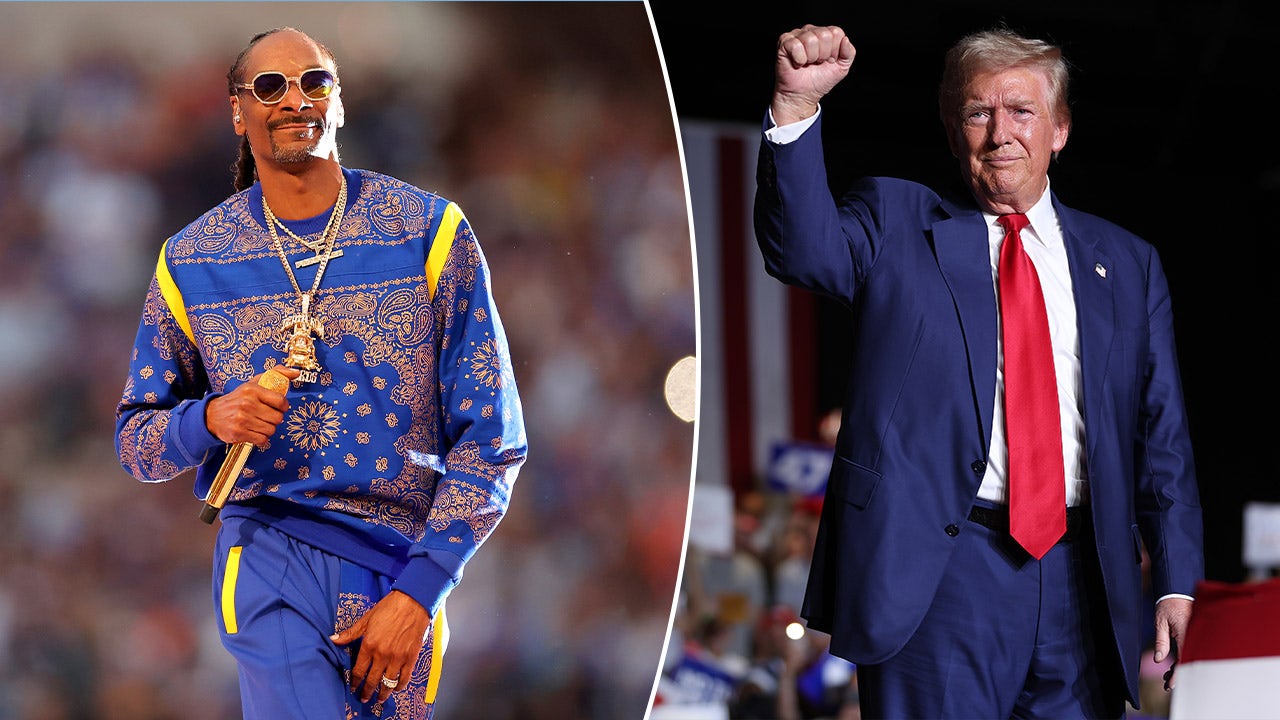
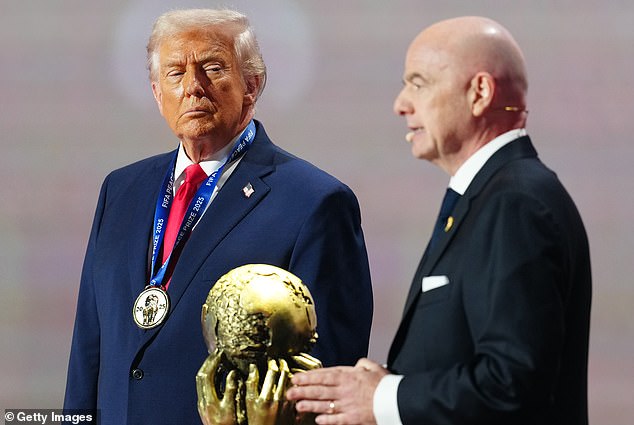
FIFA has not responded to inquiries about whether Iranian federation officials attended recent meetings. Meanwhile, fans have criticized FIFA for its handling of the situation, particularly its decision to award former U.S. President Donald Trump a peace prize.
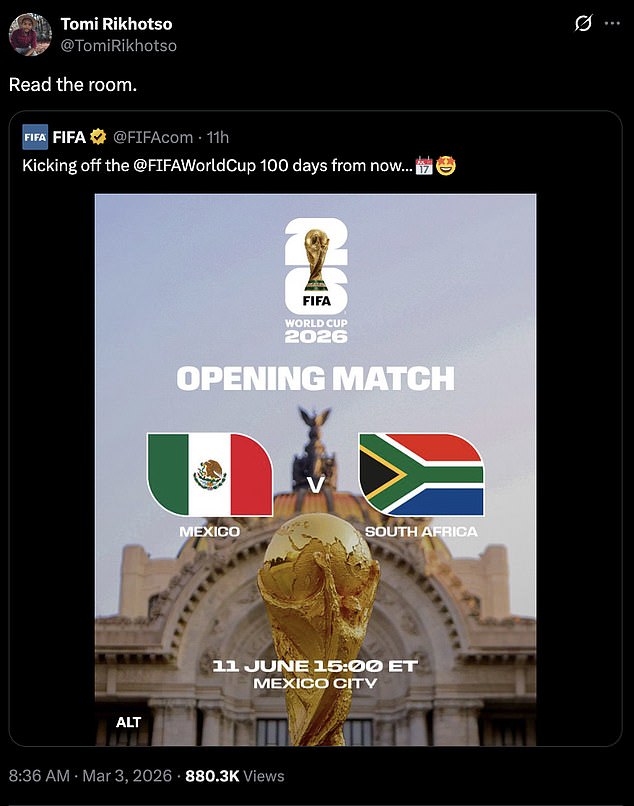
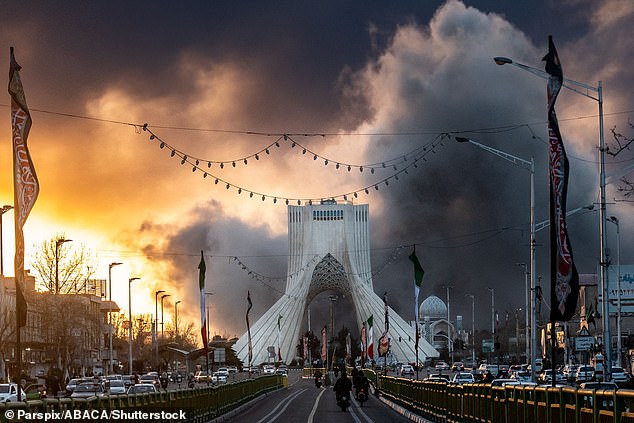
Social media users have voiced their frustrations, with many calling for FIFA to “read the room” and address the geopolitical tensions affecting the tournament. Others have criticized FIFA for its past actions, including its collaboration with Trump’s Board of Peace to build a stadium in Gaza.
As the 2026 World Cup approaches, the challenges faced by FIFA and its partners highlight the complex nature of hosting a global event in an increasingly unpredictable world.