The Rise of Mojtaba Khamenei: A Controversial Path to Power
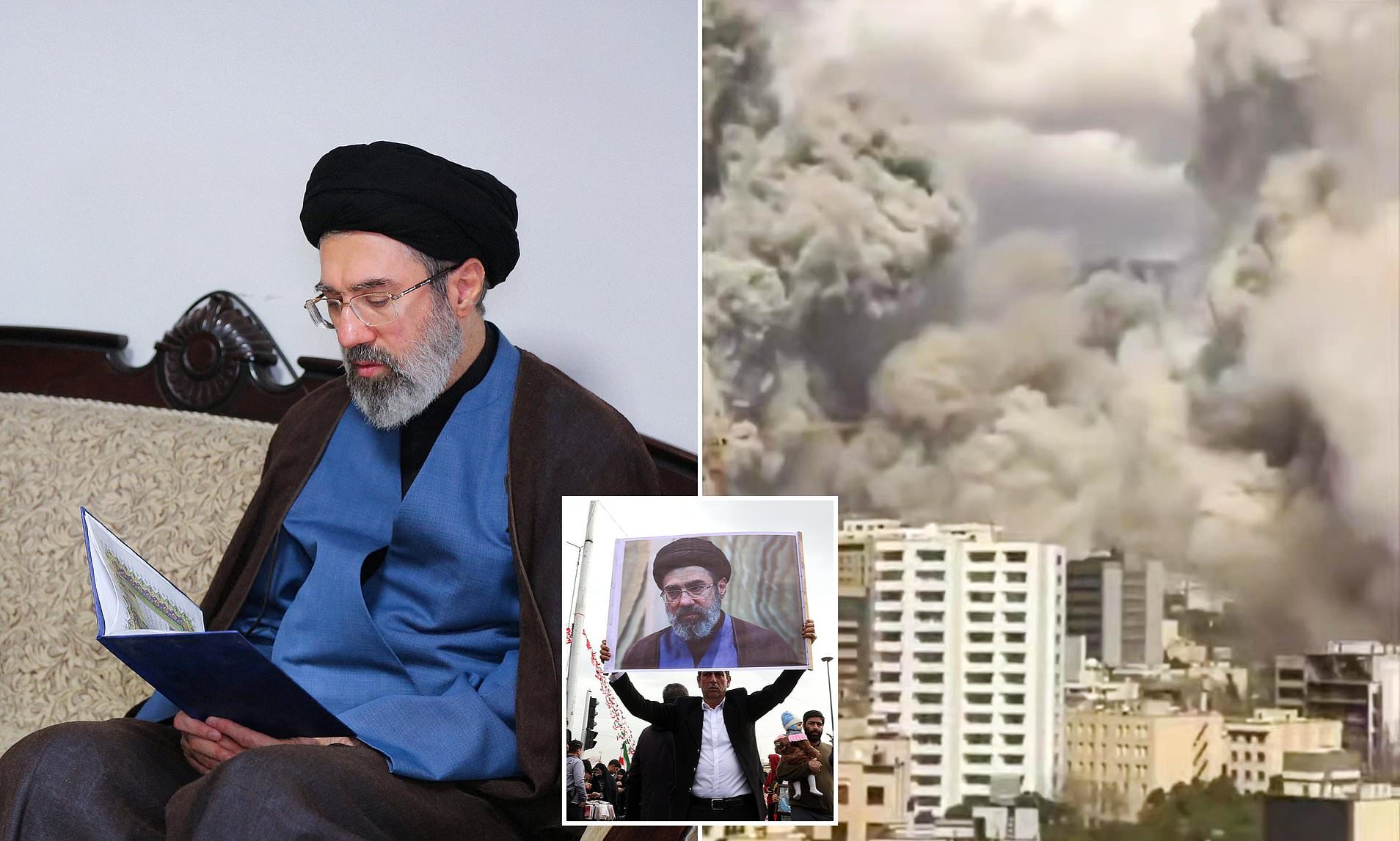
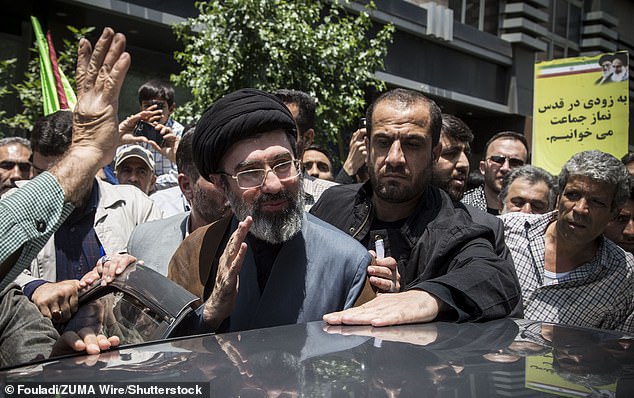
Mojtaba Khamenei, the son of Iran’s late Supreme Leader Ayatollah Ali Khamenei, has emerged as a central figure in the country’s political landscape. As he prepares to assume the role of Supreme Leader, his journey and the controversies surrounding it have sparked intense scrutiny both within Iran and internationally.
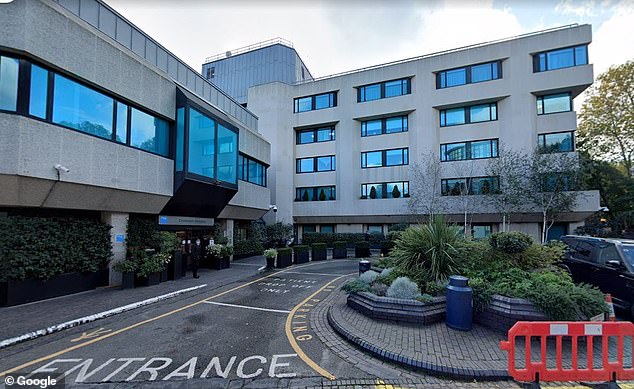
According to a classified U.S. intelligence document, Mojtaba underwent medical treatment for impotency at hospitals in the United Kingdom. This information, later revealed by WikiLeaks, highlights an unusual aspect of his personal life that has been largely kept under wraps. The document states that Mojtaba was placed under pressure by his family to produce heirs, leading to four visits to the UK, including a two-month stay at Wellington and Cromwell Hospitals in London. These visits ultimately resulted in the birth of his son, named ‘Ali’ after his grandfather, the former Supreme Leader.
Family Dynamics and Political Influence
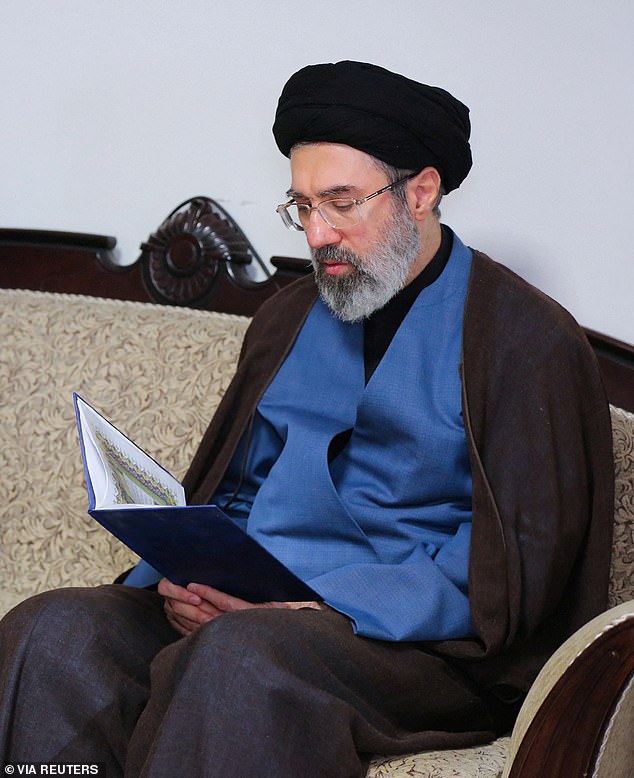
Within the Supreme Leader’s office, Mojtaba has long operated in the shadow of his father. He has traveled with him across Iran and has been granted significant control over access to his father. Despite this, he is widely viewed within the regime as a capable and forceful leader who may one day share national leadership responsibilities. His father, Ali Khamenei, reportedly treated and consulted Mojtaba as an eventual successor rather than just an advisor.
Mojtaba is also known to be close to and well-briefed by senior leaders of the Islamic Revolutionary Guard Corps (IRGC). However, he is not expected to achieve the same level of scholarly status as a “mujtahid” or ayatollah, which limits his influence among clerics. Despite these limitations, Mojtaba appears to be aware of his own shortcomings and does not seem to expect to become the sole Supreme Leader in his own right.
Succession and Internal Struggles
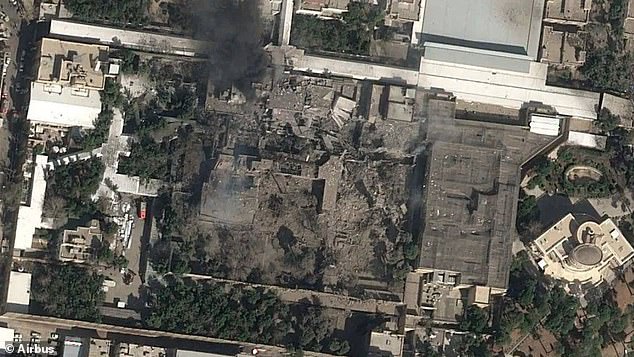
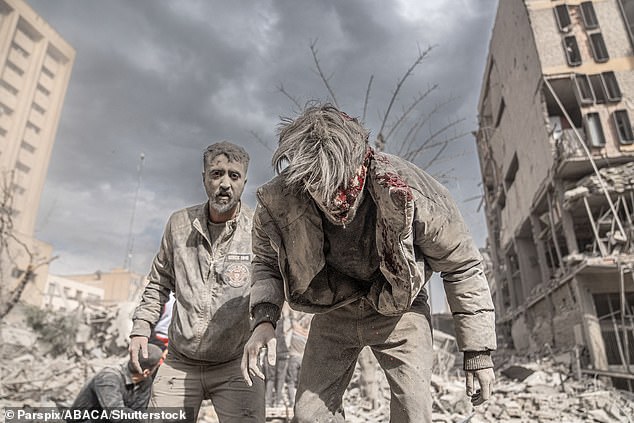
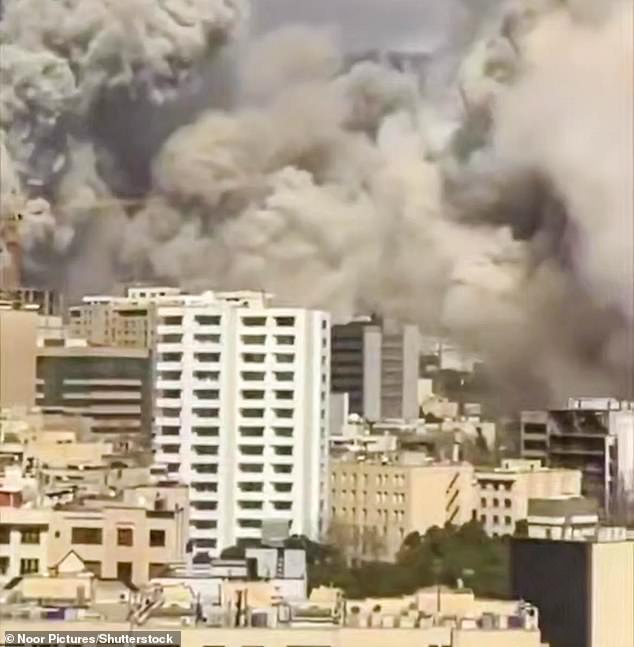
Following the death of his father in a military operation conducted by the U.S. and Israel, Iran’s Assembly of Experts has reportedly elected Mojtaba as the new Supreme Leader. The decision came after the IRGC exerted strong pressure on the assembly, which met online due to the bombing of their original venue in Qom. Some clerics had reservations about putting Mojtaba in a position that could make him a target for external forces.
This selection has raised questions, especially since the regime has historically opposed hereditary rule. Mojtaba’s father, Ali Khamenei, had secretly named three potential successors before his death, none of whom were his son. These individuals included Gholam-Hossein Mohseni-Eje’i, the head of the judiciary, his chief of staff Ali Asghar Hejazi, and Hassan Khomeini, the grandson of Iran’s first Supreme Leader.
Wealth and Influence
In recent years, Mojtaba has grown in prominence and amassed considerable wealth. According to reports, he may be a billionaire with substantial assets stored in banks across the UAE, Syria, Venezuela, and Africa. Additionally, he reportedly holds around $300 million in gold and diamonds, along with Swiss bank accounts. In January 2023, he moved $328 million to Dubai using cryptocurrency.
Much of his wealth is believed to come from taxes on oil sold to China and India. His global investments include a $40 million mansion on London’s “Billionaire’s Row,” a private jet, a helicopter, a fleet of Mercedes vehicles, and horses. In Iran, he owns property in the affluent Abbas Abad neighborhood of Tehran and vast land near Mashhad.
Role and Responsibilities
As the new Supreme Leader, Mojtaba will hold significant power, including command over the regime’s armed forces and the authority to appoint leaders of all military branches. He will also have the final say on policy decisions and the ability to choose the head of the judiciary.
Born in 1969 in Mashhad, Mojtaba served during the Iran-Iraq War and studied theology in Qom. He was taught by Ayatollah Muhammad Taqi Misbah Yazdi, a radical cleric known for advocating nuclear development and making controversial statements about the populace.
Controversies and Criticisms
Mojtaba’s rise to power has not been without controversy. He played a key role in orchestrating the 2009 election fraud that secured Mahmoud Ahmadinejad’s second term and helped suppress the Green Movement protests. His close ties to the IRGC and financial networks controlled by the Supreme Leader have further fueled concerns about his influence.
In 2019, the U.S. sanctioned him for representing the Supreme Leader in an official capacity despite never being elected or appointed to a government position. His appointment as Supreme Leader has raised questions about the future of Iran’s political system and its alignment with the values that led to the 1979 revolution.