The Future of U.S. Foreign Policy and the International Order
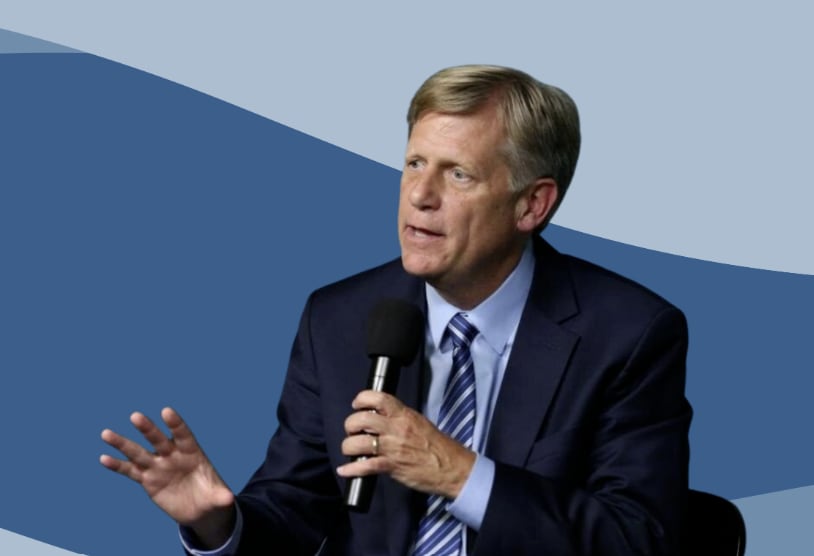
Michael McFaul, a 62-year-old political science professor at Stanford University, has long been a key figure in shaping U.S. international security and diplomatic strategies. In a recent video interview, he discussed the evolving landscape of global politics and the potential impact of U.S. foreign policy on the future of the international order.
McFaul emphasized that the U.S. must revive its democratic leadership and resume liberal internationalism. He argued that this is crucial for maintaining stability and promoting prosperity on the global stage. His comments came as President Donald Trump embarked on an Asia tour to attend the APEC summit in Gyeongju, highlighting the significance of the event.
He noted that the U.S. and South Korea, along with other liberal democracies, must unite against authoritarian states. McFaul anticipated that the international order—where the U.S. and China will maintain superpower status for decades—will persist. However, he pointed out that one variable remains uncertain: Trump’s foreign policy, which has led the U.S. into a period of isolation.
U.S. Leadership and Global Stability
Since World War II, U.S. presidents from both parties have ensured security and prosperity by actively engaging in international issues. If the U.S. withdraws, as Trump suggests, it creates space for China to grow stronger—a major mistake. McFaul warned that if Trump presents illiberal nationalism as the blueprint for U.S. foreign policy, it would be a misstep.
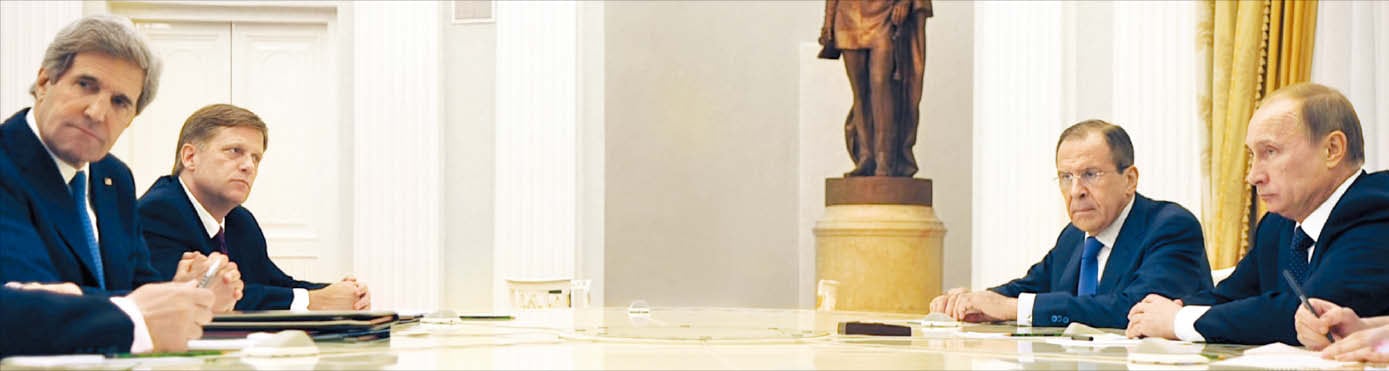
He also addressed the possibility of a meeting between Trump and Kim Jong-un during the APEC summit. While McFaul does not oppose talks with dictators or authoritarians, he criticized the approach taken by Trump. He argued that treating the meeting itself as the goal and the outcome is a mistake. The summit with Vladimir Putin in Alaska last August was a photo-op with no concrete results, and the same could happen with Kim Jong-un.
Key Factors Shaping International Relations
McFaul, a leading U.S. expert on Russia, will publish a book titled “Autocrats vs. Democrats” on the 28th. In the book, he analyzes the current international order and advises future U.S. foreign policy. He identifies three key factors shaping international relations: power, political systems, and personal leadership.
One of the questions McFaul explores is whether the end of Xi Jinping and Putin’s leadership will bring significant changes to the world order. He compared their roles to those of past leaders like Gorbachev and Nixon, who significantly influenced U.S.-Soviet and U.S.-China relations. McFaul suggested that less aggressive leaders might emerge in both countries after Xi and Putin.
Caution Against Overestimating China
McFaul also warned against overestimating China’s capabilities. While he acknowledged China’s immense economic and military power, he cautioned against repeating the mistakes of the Cold War era. He cited the Vietnam War as an example of how conflating nationalism and communism led to a highly unproductive conflict.
The Threat Posed by Russia
On the other hand, McFaul emphasized that Russia should not be underestimated. Despite being weaker than the U.S., China, and Russia, he argued that focusing solely on capabilities while ignoring intentions is a mistake. Russia’s actions, such as invading and annexing territories, are unlike anything seen from China or the current U.S.
He also discussed the U.S. sanctions imposed on Russia related to the Ukraine war. While he believes the sanctions are tightening Putin’s war-funding lifelines, he argues they are not strong enough to stop the war or halt weapons production. Stronger measures, he said, are needed.
Authoritarian Alliances and South Korea’s Dilemma
McFaul highlighted the growing closeness between North Korea and Russia, with Pyongyang dispatching troops to Russia. He urged the world to pay attention to these developments, noting that authoritarians are helping each other. South Korea, as part of the coalition enforcing sanctions on Russia, needs to provide more economic support to Ukraine.
He also addressed South Korea’s dilemma between the U.S. and China. McFaul advised against dividing the world into red and blue blocs, suggesting instead that South Korea and the U.S. should deepen economic, military, and ideological ties. At the same time, he believed South Korea can continue to expand economic benefits in its relationship with China.
Rebuilding Trust Between South Korea and Japan
McFaul also commented on South Korea’s relationship with Japan. He drew parallels to Europe’s post-World War II efforts to overcome historical divisions, emphasizing the importance of collective security. He expressed hope that South Korea and Japan could follow a similar path.
A Message for South Korea
Finally, McFaul shared a message for South Korea on its 80th anniversary of liberation. He praised South Korea’s fight for democracy, which has inspired the U.S. He urged the world to recognize this struggle, emphasizing that South Korea is a crucial ally in Asia—not because of its national power, but because it is a democracy.
Authoritarians are united, McFaul said. If democratic nations want to prevail against authoritarian regimes in the 21st century, they must unite more firmly.