Nigeria’s Economic Reforms and the Path to Stability
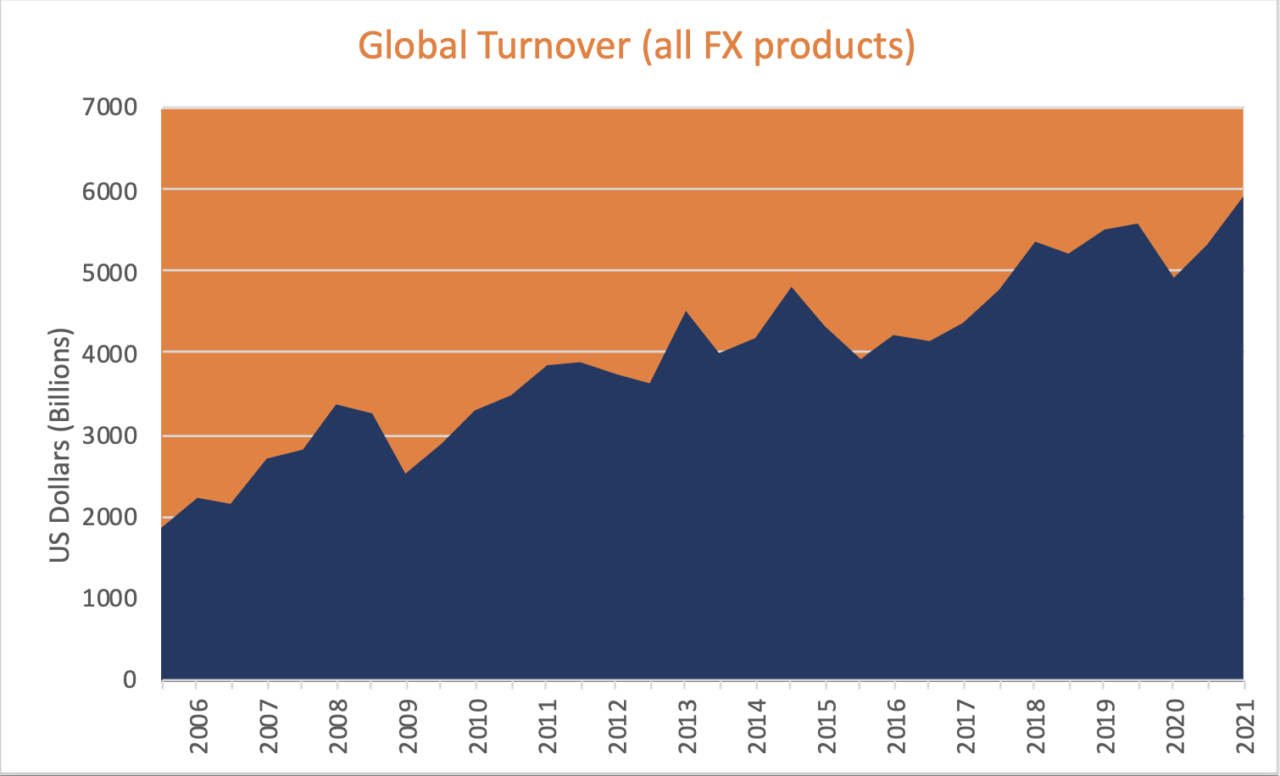
The Central Bank of Nigeria (CBN) Governor, Olayemi Cardoso, has provided a detailed update on Nigeria’s macroeconomic stability during an Investors’ Forum in Washington D.C., which took place on the sidelines of the ongoing IMF/World Bank Annual Meetings. According to Cardoso, the country’s foreign exchange (FX) market turnover has reached $8.6 billion monthly in 2025, reflecting significant progress in stabilizing the economy.
Additionally, Cardoso revealed that Nigeria’s gross external reserves have climbed to $43.4 billion, enough to cover 11 months of imports. This figure marks a five-year high and is a clear indicator of improved economic resilience. The CBN Governor emphasized that the FX market premium, which had previously soared to 52 per cent in 2022, has now fallen to less than three per cent, showcasing the success of ongoing monetary and fiscal reforms.
Domestic Capital Mobilization for Africa’s Growth
During the same event, Tony Elumelu, Chairman of Heirs Holdings and United Bank for Africa (UBA), called for the mobilization of $4 trillion in domestic capital across Africa to drive investments in digital infrastructure, energy, and other critical sectors. Elumelu highlighted the untapped potential of Africa’s domestic capital and stressed the need for coordinated action to democratize prosperity on the continent.
He pointed out that harnessing these resources could reduce pressure on government finances while enabling transformative investments. “It is estimated that over $4 trillion in domestic capital exists across Africa. If we can mobilise this effectively, we will not strain governments’ fiscal capacity,” he said. However, he acknowledged the challenge lies in working together to channel these resources responsibly, establish trust, and ensure accountability.
Elumelu also emphasized the role of infrastructure in driving productivity. He argued that fixing access to electricity would address key issues such as productivity, youth employment, and engagement, while also enabling the continent to support global economic growth. He noted that over 60 per cent of Africa’s population is under 30 and eager to contribute to development. “They are not asking for sympathy or handouts. They want systems that work,” he added.
UBA Launches Whitepaper on Africa’s Financial Infrastructure
In addition to Elumelu’s remarks, UBA Plc announced the launch of its landmark whitepaper titled “Banking on Africa’s Future: Unlocking Capital and Partnerships for Sustainable Growth.” The document presents a comprehensive and actionable framework for unlocking Africa’s vast economic potential, focusing on trade facilitation, infrastructure development, digital innovation, climate finance, and inclusive growth.
Elumelu, who emphasized the strategic importance of this whitepaper, explained that over the past few years, the bank has become an active leader in conversations and activities that drive tangible investments to the continent. “UBA is shifting Africa’s development agenda from talk to action. With this whitepaper, we are championing initiatives that convert strategic dialogue into bankable projects and direct investments,” he said.
UBA’s Group Managing Director and Chief Executive Officer, Oliver Alawuba, remarked on the white paper’s significance, highlighting the urgent need for private sector leadership. “This whitepaper is a call to action and a statement of our capability. It underlines our unique position in facilitating the partnerships and capital flows required to finance Africa’s future,” he said.
IMF Calls for Fiscal Discipline
Meanwhile, the International Monetary Fund (IMF) has urged Nigeria to maintain fiscal discipline and strengthen revenue mobilization. In the IMF’s October 2025 Fiscal Monitor, it was stated that Nigeria’s fiscal outlook is set for gradual improvement, even as it called for continued fiscal discipline.
According to the report, Nigeria’s public debt trajectory is expected to stabilize over the medium term, hovering between 41.1 and 41.4 per cent of GDP from 2027 through 2030. The Fund noted that the figures include overdrafts from the CBN and liabilities from the Asset Management Corporation of Nigeria (AMCON).
The IMF also highlighted that general government expenditure would rise modestly from 12.5 per cent of GDP in 2025 to 12.8 per cent in 2026, underscoring Nigeria’s effort to maintain a balance between fiscal consolidation and the need to strengthen social protection and capital investment.
Ongoing Discussions with JP Morgan
In related developments, the Director-General of the Debt Management Office (DMO), Patience Oniha, confirmed that Nigeria is in advanced talks with JP Morgan for re-entry into the Government Bond Index for Emerging Markets (GBI-EM). She stated that JP Morgan has provided the requirements, and Nigeria is working towards meeting them. While the timing remains uncertain, she emphasized that the country is working closely with the institution to ensure a smooth re-entry.
Conclusion
As Nigeria continues to implement economic reforms and focus on strengthening fundamentals, the nation is positioning itself for sustainable growth. With increased foreign exchange reserves, improved fiscal policies, and a growing emphasis on domestic capital mobilization, the country is taking significant steps toward long-term stability and prosperity. The collaboration between the CBN, private sector institutions like UBA, and international organizations such as the IMF is playing a crucial role in shaping Nigeria’s economic future.