Prime Minister’s Stance on Stranded Australian Children in Syria Sparks Controversy
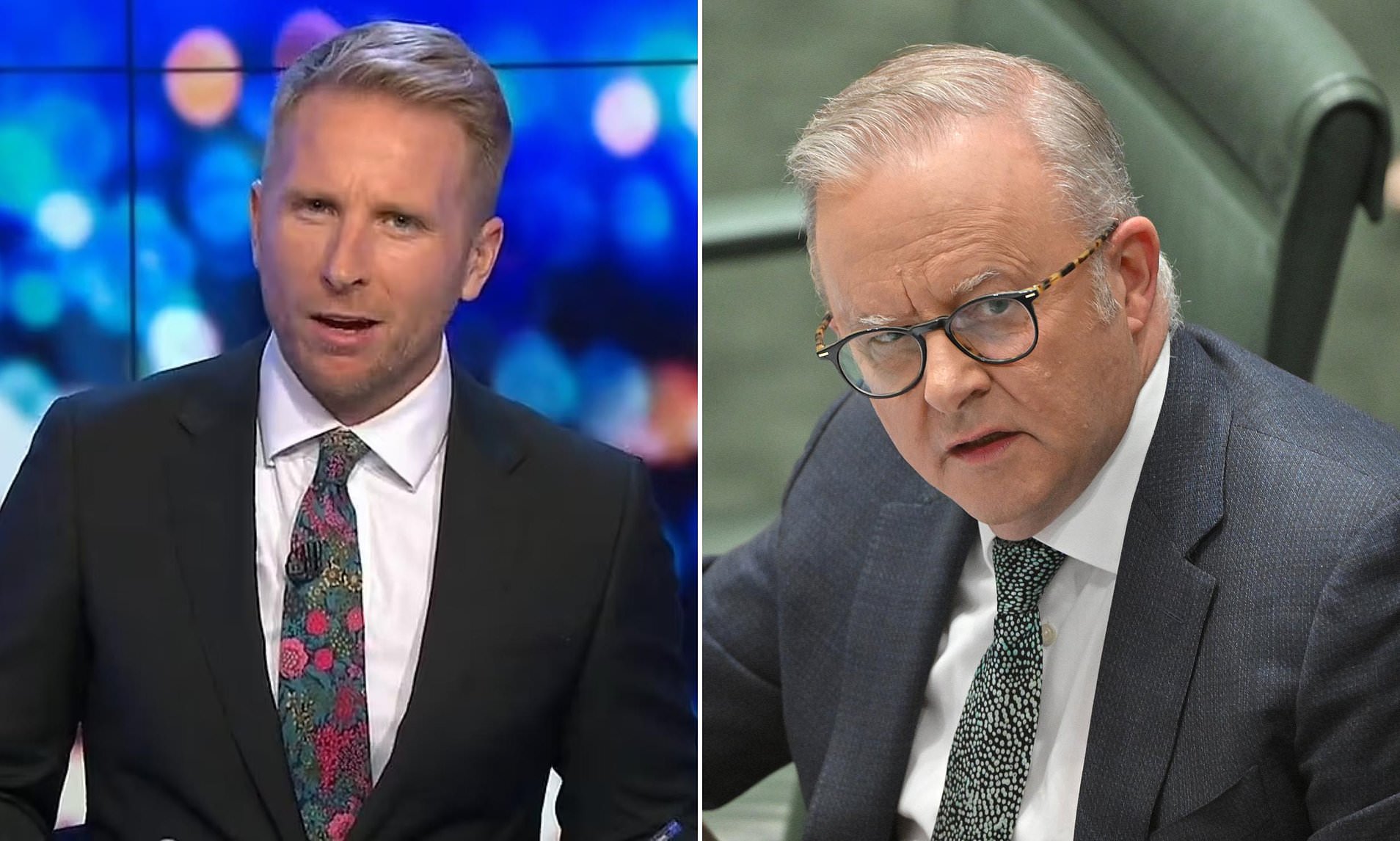
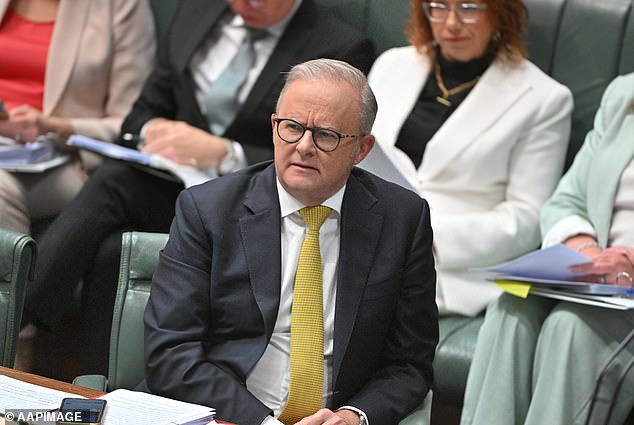
Prime Minister Anthony Albanese has sparked a heated debate after stating that the Australian government will do “nothing” to assist 23 Australian children currently trapped in a Syrian detention camp. This declaration came during an intense interview with ABC host Hamish Macdonald, where the Prime Minister expressed his strong opposition to repatriating ISIS-linked women and their children.
During the interview on ABC Mornings, Albanese made it clear that the government would not support the return of these individuals, expressing what he called “nothing but contempt” for the parents who chose to travel to the Middle East. His comments were met with immediate pushback from Macdonald, who questioned whether the Prime Minister also held contempt for the children involved.
- “Hold on, Prime Minister. Some of these are children, Australian children, 23 children. Do you have contempt for them?” Macdonald asked.
Albanese clarified that his anger was directed at the mothers who had taken the children into a warzone. He emphasized that the responsibility for the children’s current situation lay with their parents, particularly the mothers.
- “I have contempt for their parents who have put these children in that situation,” he said.
Macdonald continued to press the Prime Minister on the government’s responsibility to protect children placed in danger by adults. However, Albanese remained firm in his position, reiterating that the mothers were the ones who had made the decision to travel overseas against Australia’s national interest.
The conversation took a more contentious turn when Macdonald pointed out the Coalition’s 2019 decision under former Prime Minister Scott Morrison to repatriate eight orphaned children of ISIS fighters. He questioned why Albanese was not following a similar approach.
- “They’ve got off to a horrible start in life as a result of the appalling decisions of their parents … they’ll find their home in Australia. I’m sure they’ll be embraced by Australians, and as a result … live positive and happy lives,” Morrison had said at the time.
However, Albanese argued that the situations were not comparable, stating that the children could not be brought back without their mothers. He claimed that the women knowingly traveled to a terrorist warzone and that they should face the consequences of their actions.
- “We can’t bring the children back without their mothers,” he said. “We have no sympathy, frankly, for people who travelled overseas in order to participate in what was an attempt to establish a caliphate … you make your bed, you lie in it.”
Political Reactions and Calls for Action
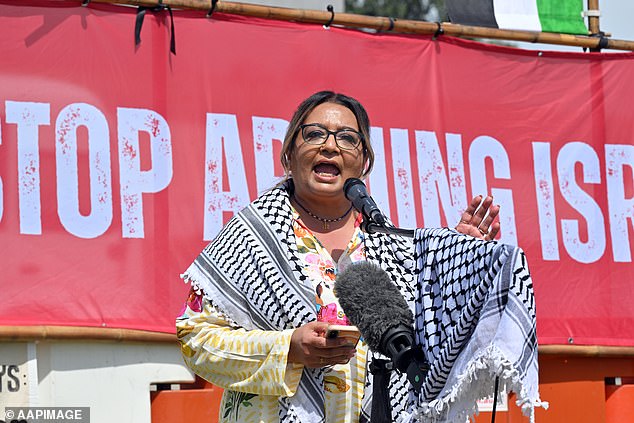
Greens Senator Mehreen Faruqi has strongly criticized the government’s refusal to assist with the repatriation of the group, calling the inaction “utterly disgraceful.” She dismissed security concerns raised by authorities, emphasizing that the families had been languishing in camps for years.
- “It is utterly disgraceful that the government is failing to repatriate Australian women and children,” she said. “They must be brought home. Any security concerns can and should be managed here in Australia. These families have languished in camps for years.”
Faruqi argued that it was Australia’s responsibility to deal with its own citizens, stating that if there were concerns, they should be addressed within the country’s legal system.
- “If there are concerns, they should be addressed within our own legal system. These are Australian citizens. We cannot wash our hands of them or render them effectively stateless.”
Challenges in Repatriation Efforts
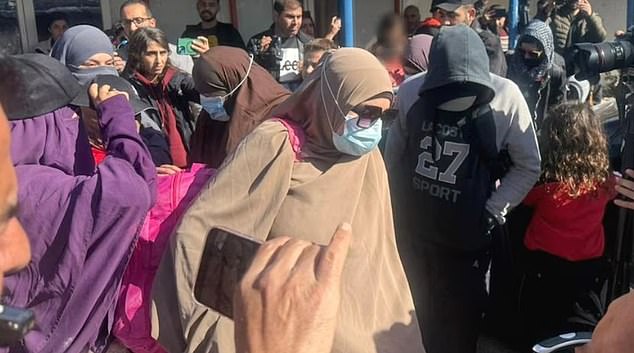
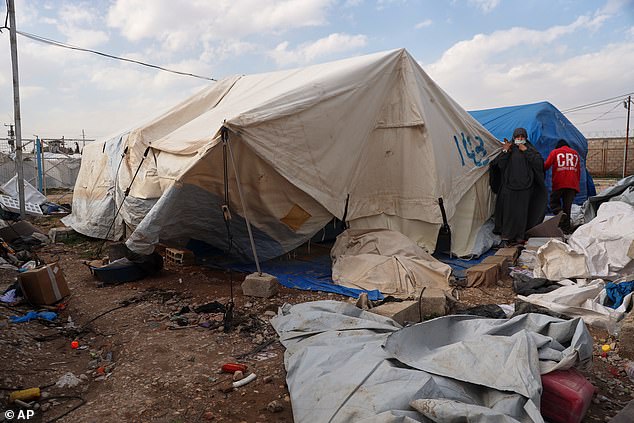
The 34 women and children attempted to leave the Al Roj camp in north-east Syria earlier this week, planning to travel to Damascus before making their way to Australia. However, they were turned back due to what officials described as an administrative issue, despite holding valid Australian passports.
It is understood that the families were so confident they would be able to depart that some of their tents in the camp had already been dismantled.
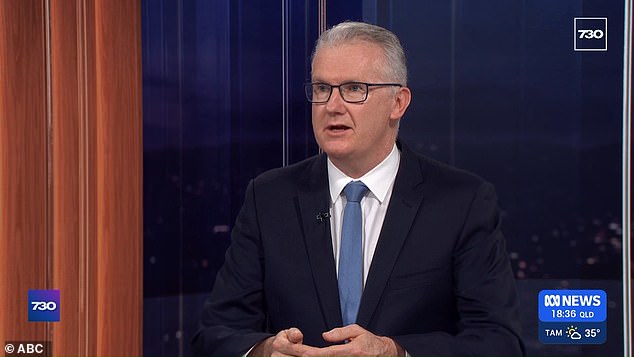
Home affairs minister Tony Burke confirmed that the group were issued passports and stated that all citizens have a legal right to receive official travel documents.
- “If anyone applies for a passport as a citizen, they are issued with a passport, in the same way that if someone applies for a Medicare card, they get a Medicare card,” Burke told the ABC’s 7.30 program on Wednesday night.
Despite this, the government has blocked one woman from returning on national security grounds, issuing a temporary exclusion order that can prevent a person from entering Australia for up to two years.
The Australian Federal Police say they are prepared to manage any security risks if the women are allowed to return, warning that anyone suspected of committing offences will face the full force of the law.
- “Where Australians returning to Australia have allegedly breached Australian law, they will be, where appropriate, and on a case-by-case basis, subject to law enforcement action,” an AFP spokesperson said in a statement.
Opposition home affairs spokesman Jonno Duniam argued that if one person had been barred from entry, the rest of the cohort should also be kept out of Australia to protect the community from harm.

Related posts:
From Madina Old Road to the marketing boardroom: This is Dinah Asabea Darko

My 33-Year Battle with Idumota Marketers: The Unfiltered Journey of Queen Oluwa

What Governments Must Do Before Transitioning to the 12-Year Compulsory Education Model – Analysts


Beyond the Bill: Can Nigeria’s States Forge Effective Police Forces?