Strategic Naval Drills in the Strait of Hormuz
As tensions rise in the Middle East, the United States has been concentrating its military forces near Iran. In response, Iran has announced the start of regular tri-service naval drills with China and Russia in the Strait of Hormuz. These exercises are being conducted as part of a broader strategy to enhance maritime security and cooperation among the three nations.
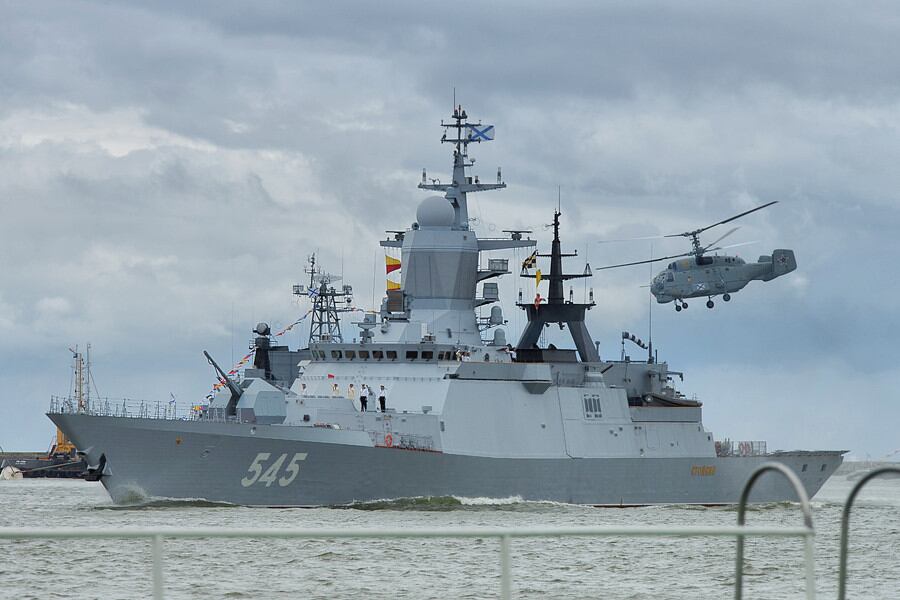
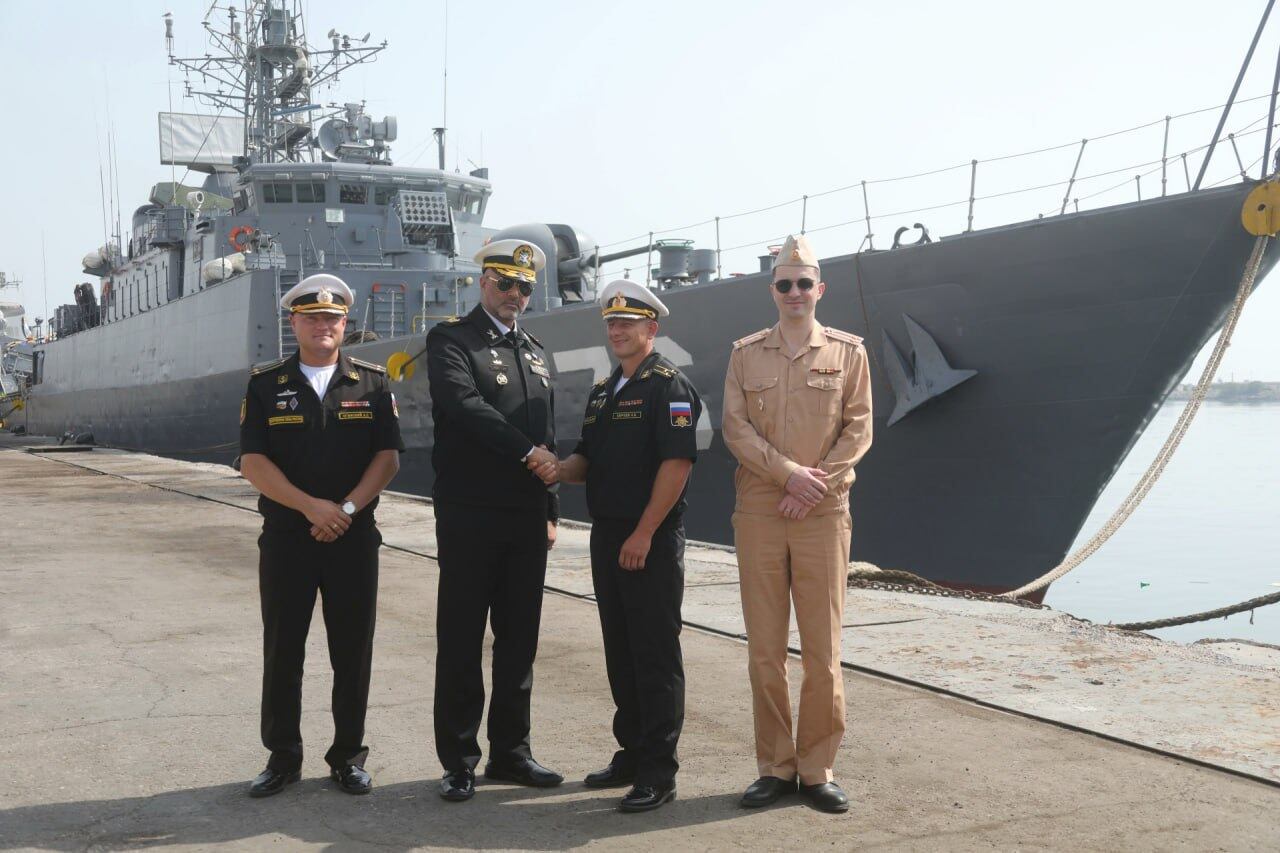
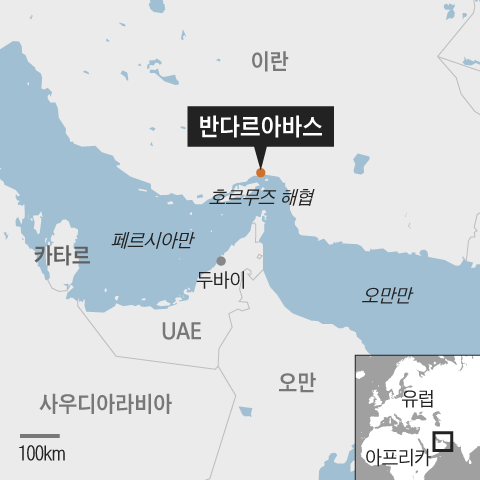
According to reports from Iranian state media, Russian presidential aide Nikolai Patrushev mentioned that Russia has sent warships to participate in the “2026 Maritime Security Belt” drills alongside China and Iran. Photos of a Russian patrol ship docked at Bandar Abbas, a strategic port in the Strait of Hormuz, have also been released by Iranian media.
The trilateral exercises, led by the Iranian Navy, aim to improve maritime security, strengthen collaboration against piracy and maritime terrorism, and conduct coordinated rescue operations. These annual drills, which began in 2019, have been under Iranian leadership since 2029. However, with the U.S. currently deploying air and naval forces in the region, these maneuvers carry significant implications, as the White House and U.S. Department of Defense are reportedly monitoring the situation.
U.S. Military Presence in the Region
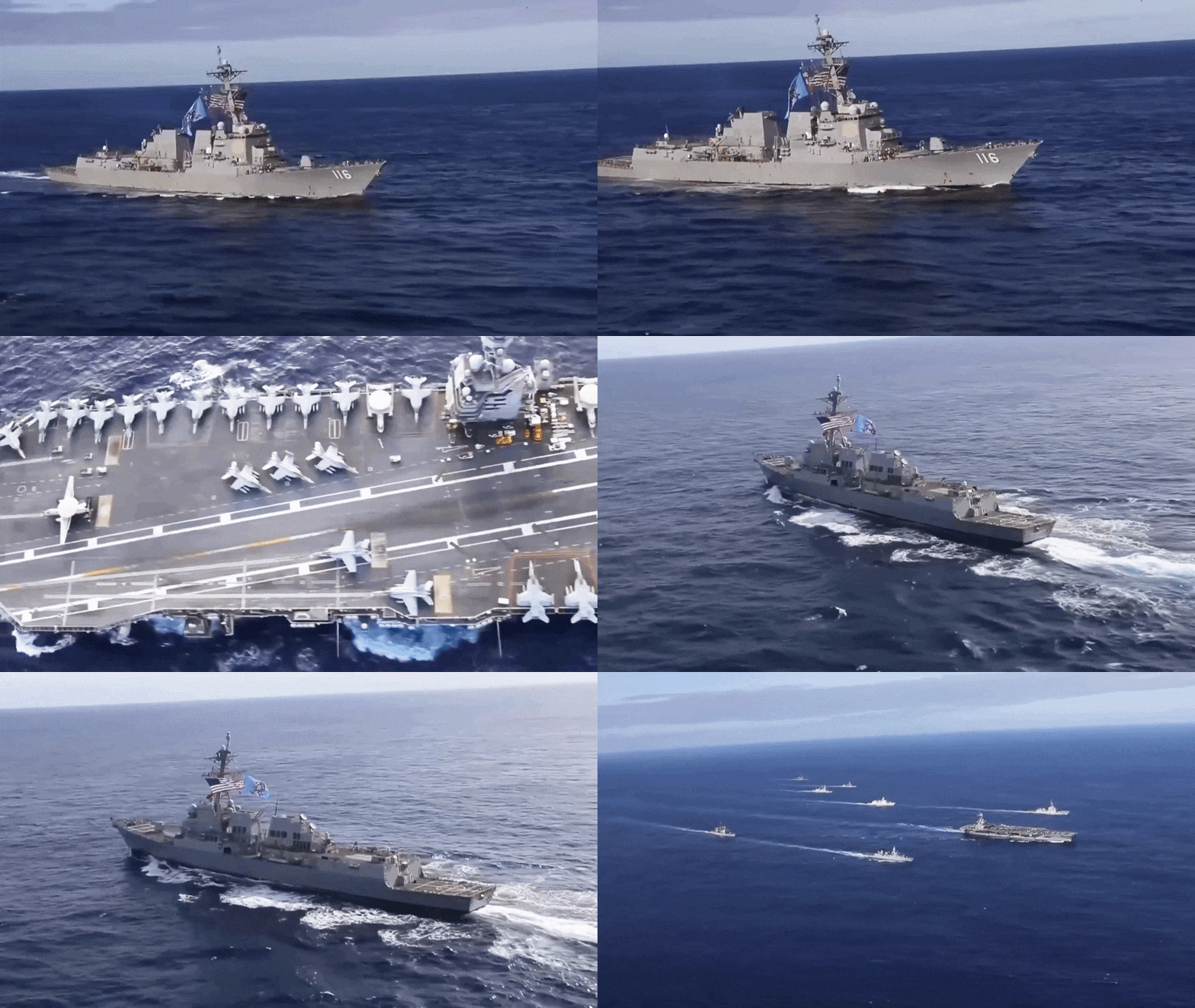
As of the 19th, the U.S. aircraft carrier USS Abraham Lincoln (CVN-72) strike group is operating in the Gulf of Oman and the Arabian Sea, near the Strait of Hormuz. Another carrier, the USS Gerald Ford (CVN-78), which departed the Caribbean, has already entered the Mediterranean Sea after passing through the Strait of Gibraltar. If the Ford maintains its current speed, it will arrive near Israeli waters—capable of responding to Iranian missile retaliation—by around 10 a.m. on the 22nd. The New York Times reported on the 18th that “as early as this weekend, President Donald Trump could have the option to attack Iran.”
While the duration of the trilateral naval drills has not been officially announced, some media outlets have reported them as occurring in the “near term” or “late February.” On the 12th, President Donald Trump stated during a meeting with reporters at the White House that Iran must “reach an agreement very quickly” regarding nuclear negotiations, adding, “If no agreement is reached, we must move to a second phase where a very shocking situation will unfold,” and outlined a timeline of “over the next month.”
Implications of the Drills
If nuclear negotiations ultimately fail and the U.S. attacks Iran, the presence of Russian or Chinese warships in the region could carry military and political ramifications. However, the current trilateral drills, led by Iran, appear to serve more as a “message delivery” than an operational threat.
This year’s exercises, first conducted in 2019, are being held in Bandar Abbas, a key military port city in southern Iran, located in the Strait of Hormuz. MNA reported that the Russian, Chinese, and Iranian naval forces will “test their cooperative capabilities, tactical readiness, and rapid response procedures in the Strait of Hormuz by deploying various warships and operational capabilities.”
Nikolai Patrushev, an advisor to Russian President Vladimir Putin on foreign strategy, maritime security, and BRICS cooperation, framed the drills as part of a broader confrontation between the U.S. and the BRICS alliance. BRICS, an informal consultative body, now includes 21 countries such as Brazil, Russia, China, South Africa, and Iran.
Patrushev has strongly criticized the U.S. and NATO for continuously seizing vessels in the “shadow fleet,” which transports sanctioned Russian and Iranian oil by disabling Automatic Identification Systems (AIS), frequently changing ownership and flag states, and conducting ship-to-ship transfers on the high seas.
Patrushev stated, “A full-fledged strategic maritime dimension must now be assigned to BRICS, and the ‘2026 Maritime Security Belt’ drills in the Strait of Hormuz, where Russia, China, and Iran are dispatching warships, are timely.”
Iran’s Military Posture
Meanwhile, Iran has also heightened its military defiance against the U.S. On the 18th, Iranian Navy Commander Rear Admiral Shahram Irani, meeting with Russian counterparts aboard the Russian patrol ship Stoiky, said, “If the out-of-region fleets [U.S. carrier strike groups] feel they are showing strength, the Iranian people must know we will confront them with even greater strength,” adding, “The Iranian people’s faith and missiles are the Islamic Republic’s deterrent weapons against enemies.”
In this context, the U.S. military expert media TWZ reported that U.S. military experts believe while the presence of a small number of Russian and Chinese warships in the Strait of Hormuz and the Gulf of Oman does not pose a significant threat to U.S. interests, it could complicate any potential attack on Iran.
Tom Shugart, a senior fellow at the Center for a New American Security (CNAS) and former U.S. Navy submarine warfare officer, stated, “While the trilateral drills, likely planned long ago, do not meaningfully increase the likelihood of U.S. Navy clashes with Russia and China, they may require the U.S. to consider additional factors in strike planning against Iran.”
For example, sensors on Chinese and Russian warships must not provide Iran with prior warning of a U.S. attack, and the vessels must not obstruct U.S. strike routes. During the period when Russian and Chinese warships are near Bandar Abbas—a key hub of Iranian military activity—the U.S. may face complexities in target selection. However, Chinese and Russian warships will eventually leave the area, and the U.S. can accurately track their departure. Currently, the U.S. is also not fully prepared to launch an immediate strike.
Joseph Votel, a senior fellow at the Middle East Institute and former commander of U.S. Central Command, stated, “The presence of Russian and Chinese warships does not fundamentally alter the situation; it is an easy way for the two countries to demonstrate support for Iran, making up for their abandonment of Iran during the U.S. airstrikes on its nuclear facilities last June.” He added, “While the timing appears provocative, it is merely one form of great-power competition.”
Additional Information
월 5900원 멤버십, 신문 독자에게는 2900원, 조선멤버십
55000원 상당의 신문-잡지 8종 마음껏 보기, 조선멤버십
현금처럼 쓸 7000포인트 받아 알뜰한 쇼핑, 조선멤버십